What if the most meaningful trip you take this year asks you to slow down, read and walk through the woods that inspired one of the most beloved stories ever written?
Travel in 2026 has a new defining word: “readaway.” With 91% of travelers expressing a desire for slower, more intentional trips this year, a new category of literary travel has become one of the year’s most compelling emerging trends — journeys built around books, reflection and the landscapes that gave great stories their soul. This year, the trend has its perfect emblem: the 100th anniversary of Winnie-the-Pooh, first published in 1926.
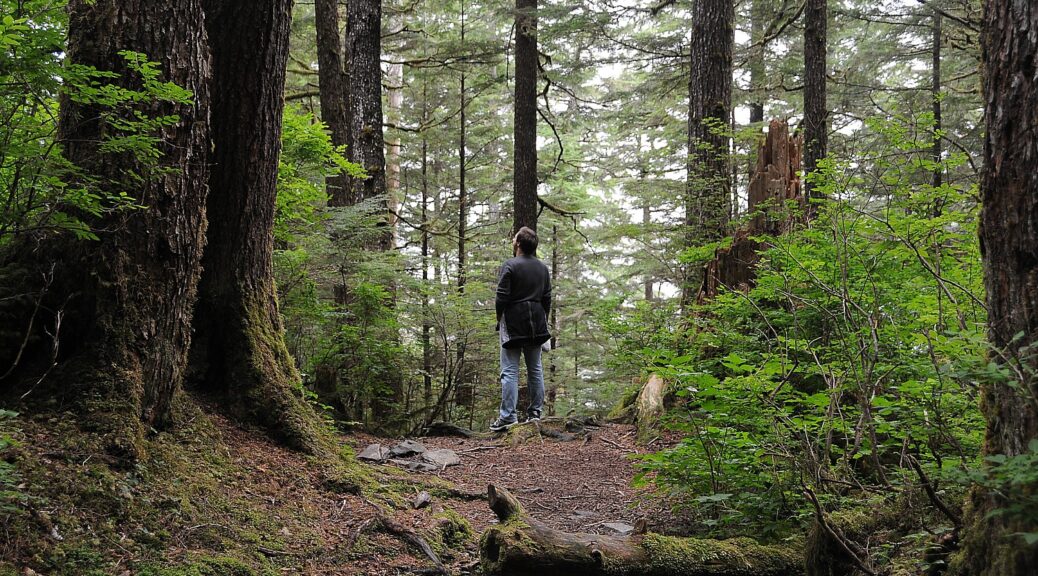
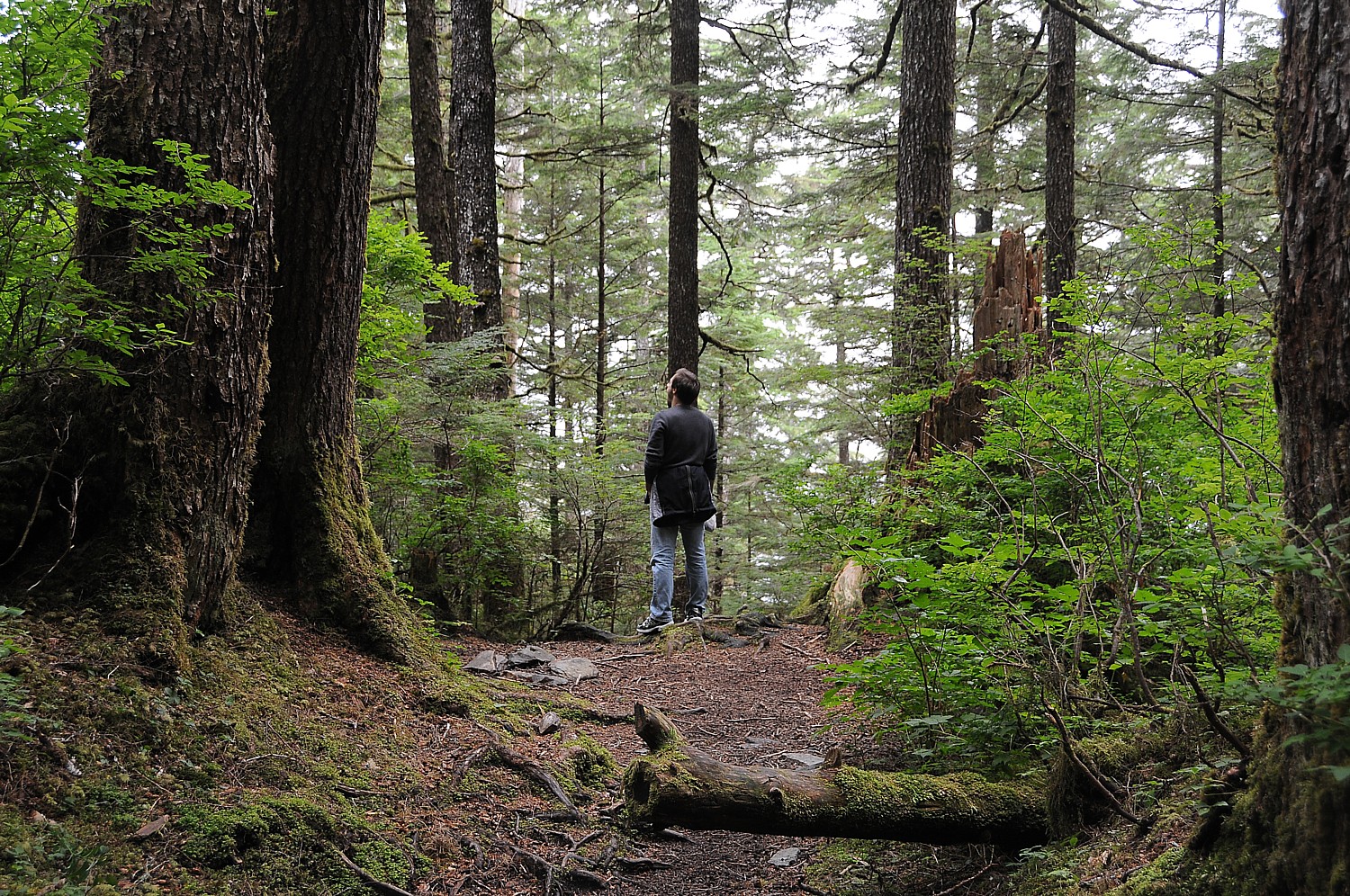
Ashdown Forest, the East Sussex heathland just 30 miles from London that became the real-life Hundred Acre Wood, is marking the centenary this summer with a full program of free cultural events, including interactive performances, new themed walking trails and community celebrations across the county, all under the banner of The Big One Hundred (thebigonehundred.co.uk).
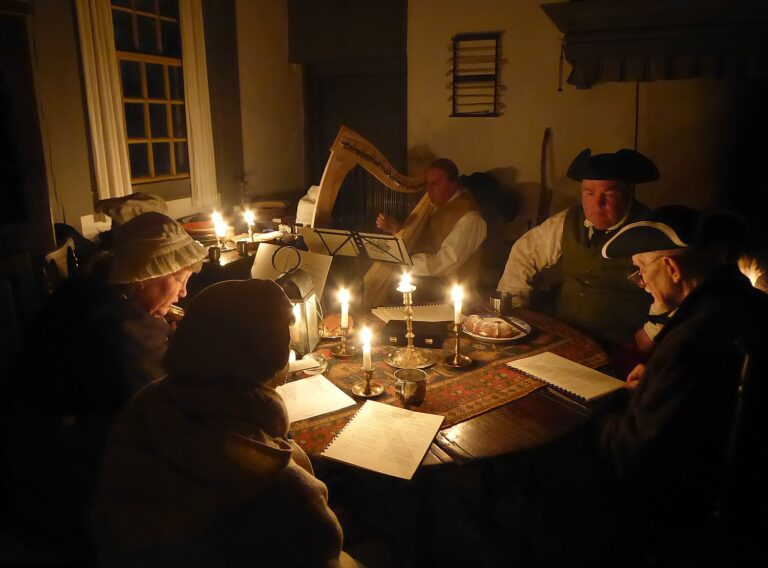
To mark the anniversary, Active England, a U.K.-based soft adventure luxury tour operator, has launched A Rather Important Journey: Winnie-the-Pooh’s Centenary — a six-day guided read retreatthat blends quiet, literary exploration with a walking-led tour through the real-life setting of the story’s Hundred Acre Wood, Ashdown Forest.
Beginning in London and continuing into the Sussex countryside, the experience is designed as a true “readaway,” complete with a gifted collection of the original stories to accompany you throughout the journey. From playing Poohsticks at Poohsticks Bridge, to visiting Pooh Corner and Nymans, to themed picnics and independent readings along the route — taking in Piglet’s door, the Gloomy Place, the Heffalump Trap and the Milne and Shepard Memorial — the journey brings the magic of Winnie-the-Pooh into the real world.
Highlights of the six-day journey include:
Walking through Ashdown Forest, the setting behind Milne’s stories
Playing Poohsticks at the original Poohsticks Bridge
Guided outdoor readings with a gifted collection of the original Winnie-the-Pooh books
Visits to Pooh Corner and special centenary exhibitions across Sussex
Exploring the lives of A.A. Milne and Christopher Robin through literary and historical landmarks
Road Scholar, the not-for-profit leader in educational travel for adults 50+, is unveiling two new civil rights programs in New Orleans and Mississippi & Tennessee.
Road Scholar’s inaugural Civil Rights Movement program in Alabama and Georgia has consistently been one of their most popular and impactful programs since its release in 2017. Nearly 550 travelers attended the program last year, and it frequently elicits reviews that include the word “life-changing.”
“I cannot overstate the richness of this experience,” said 2024 participant Analee from South Deerfield, Mass. “The people we met, the experts who taught us, the museums and sites we visited— they all were life-changing (no hyperbole!). History became real, and I am dedicated to learning more and living my life anew with the lessons learned.”
The nonprofit organization hopes these new programs in New Orleans, Jackson, Memphis, and Nashville will help broaden their educational programming on the civil rights history in the U.S., leaving as much of a meaningful mark on participants as the program in Georgia and Alabama.
“This program was created to connect people with the living history of the Civil Rights Movement across Jackson, Memphis, and Nashville— places where ordinary individuals made extraordinary choices that helped shape our nation,” said Bobbie Duncan from the Center for Educational Adventure, which partners with Road Scholar to organize and operate the program. “By exploring these communities and hearing the stories rooted there, we hope participants leave with a deeper appreciation of the movement’s complexity, the courage it required, and a renewed sense of how its lessons about justice, dignity, and collective action still matter today.”
New Orleans is already one of Road Scholar’s most popular destinations, with participants visiting the Crescent City on any of 10 different programs. The new civil rights program takes an even deeper look at the city’s story beyond what most travelers see.
“A civil rights and jazz program in New Orleans offers a powerful new way to experience the city by connecting two of its most influential legacies,” said Lindsey Temple, Program Operations Director at Road Scolar. “From the fight for equality to the birth of America’s most iconic musical tradition, these stories bring New Orleans to life in a meaningful and immersive way. This focused program allows travelers to engage with the people, places, and history that shaped the city’s cultural identity, offering an experience that is both educational and unforgettable.”
Road Scholar’s first departures are scheduled in May 2027 in honor of the 10th anniversary of their inaugural Civil Rights Movement program “The Civil Rights Movement: Atlanta, Montgomery, Selma, Birmingham.” Both programs are currently open for enrollment, as well as future dates of the original program in Alabama and Georgia.
Road Scholar is the not-for-profit world leader in educational travel for older adults. Founded as Elderhostel in 1975, Road Scholar has served more than 6.5 million lifelong learners over the past 50 years. With educational adventures hosted by expert faculty in nearly 100 countries and throughout the United States, Road Scholar truly is a university of the world. Learn more at www.roadscholar.org.
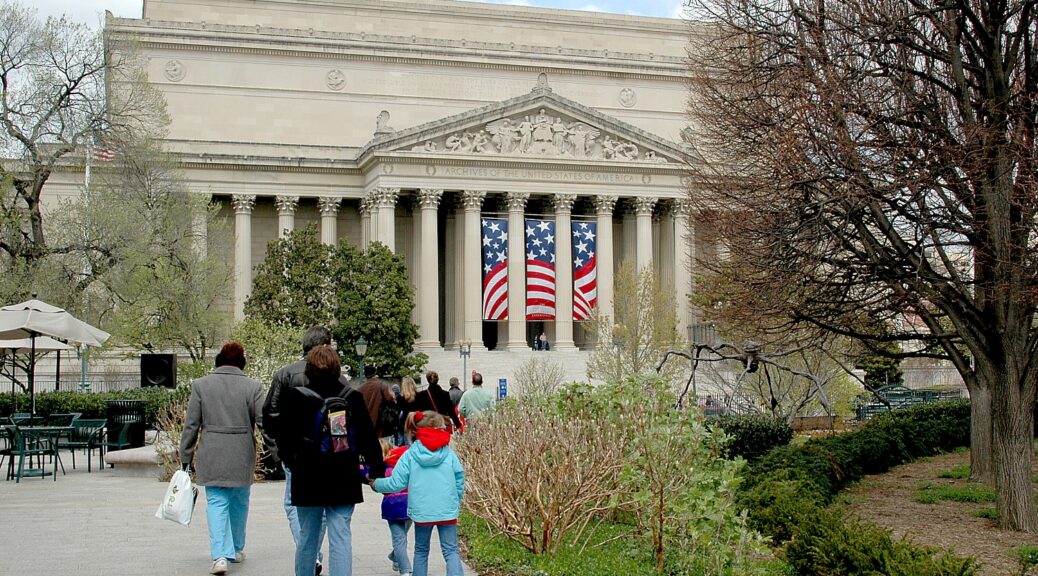
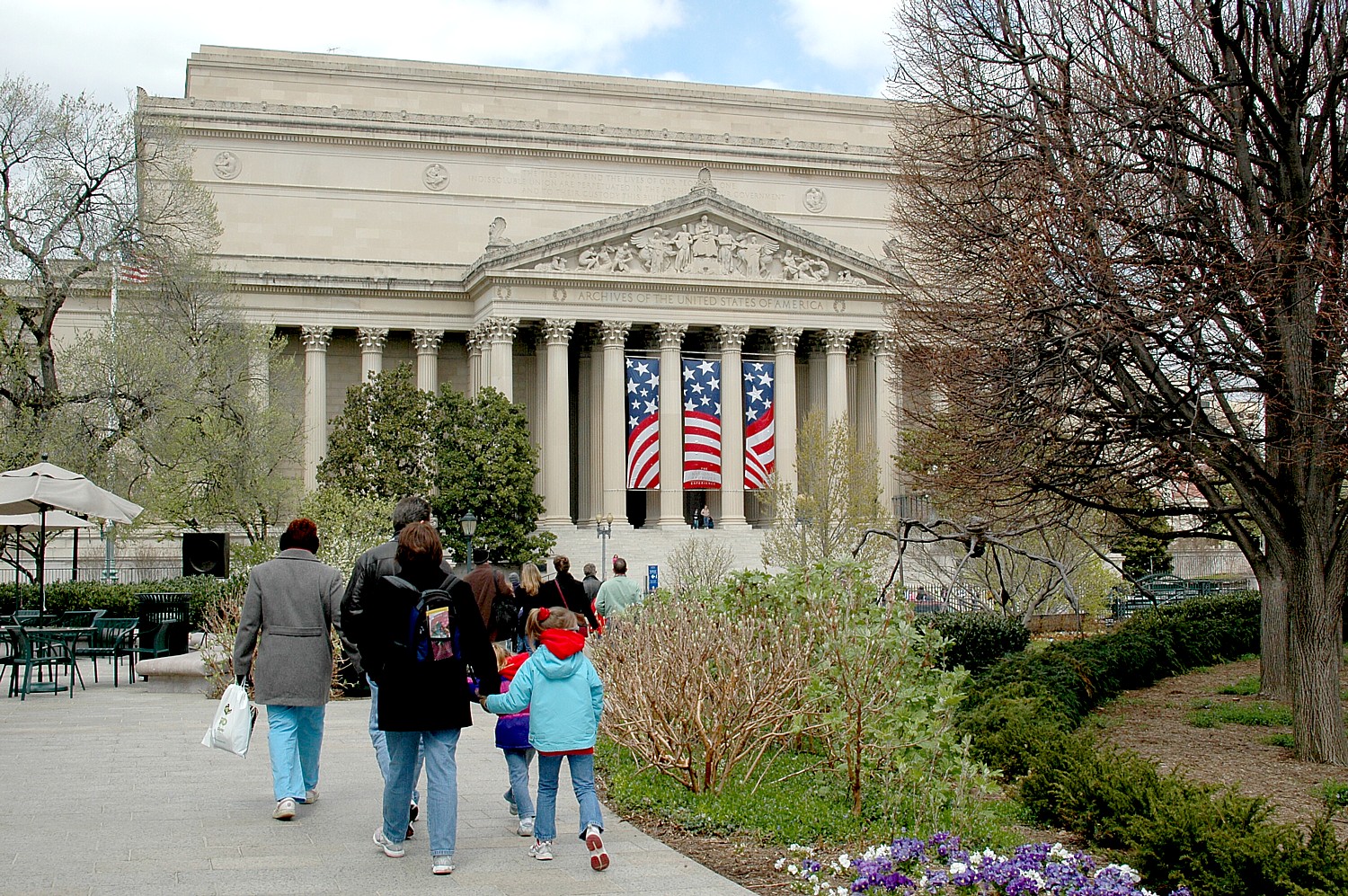
The National Archives Foundation is hosting the Spirit of Independence Festival, a spectacular multi-day festival taking place from June 4-6, 2026 on Constitution Avenue to commemorate the 250th anniversary of the Declaration of Independence.
Hosted beneath a tent spanning two city blocks in front of the National Archives—the home of the original Declaration of Independence—the Spirit of Independence Festival will include free daytime events for families and three evening benefit events to support the National Archives Foundation and its effort to engage the American public with our nation’s history.
From free daytime programming like a patriotic pet “yappy hour” to a “Stars and Stories” Fest with Disney characters, there’s something for everyone to enjoy throughout the multi-day festival. See the full lineup of events and find more details here.
Reserve free tickets to daytime programming and purchase individual tickets to select evening programs. Guests who reserve tickets online will receive complimentary access to the National Archives Museum.
Glen Cove, N.Y.— Congressman Tom Suozzi (D–Long Island, Queens) announced the introduction of the Washington Spy Ring National Historic Trail Designation Act, legislation that would designate a new National Historic Trail highlighting the crucial role Long Island played in securing America’s independence. He leads this bipartisan bill alongside his Long Island colleague, Congressman Nick LaLota (R-Long Island).
The proposed trail would span approximately 50 miles along the north short of Long Island and Queens, from Little Neck to Port Jefferson, connecting key sites used by the legendary Culper Spy Ring during the American Revolution.
“The story of the Culper Spy Ring is one of courage and patriotism played out right here on Long Island,” said Congressman Suozzi. “As we approach America’s 250th anniversary, it’s incumbent upon us to honor the brave men and women who risked everything for freedom, especially those whose heroism took place in our backyard. By establishing this National Historic Trail, we honor their legacy, preserve our history, and take great pride in Long Island’s role in American independence.”
“As America approaches its 250th birthday, Congress should recognize that without the Culper Spy Ring, General George Washington may never have turned the tide of the Revolution and set the United States on the path to becoming the greatest nation in the world,” said Congressman LaLota.
The Culper Spy Ring, a network of American patriots operating behind enemy lines, gathered intelligence on British troop movements in New York, helped expose traitor Benedict Arnold’s plot to surrender West Point to the British, helped protect the vital alliance between American and French forces, and otherwise transferred information to General George Washington across the Long Island Sound.
Key sites along the proposed trail include Raynham Hall in Oyster Bay, the Arsenal in Huntington, and the Brewster House in Setauket.
The legislation directs the Secretary of the Interior to work in partnership with local stakeholders to develop and administer the trail, ensuring public access and historical preservation.
The Washington Spy Ring National Historic Trail would join the National Trails System, a network that promotes historic preservation, outdoor recreation, and heritage tourism across the United States.
“This designation tells the story of how Long Island helped shape the future of our nation,” Suozzi stated. “This is a proud, bipartisan celebration of both our country and our community.”
Discover Long Island’s Long Island Heritage Trail
Meanwhile, you can explore the Culper Spy Trail and Long Island Heritage Trail on your own. Discover Long Island, the regional destination marketing organization, offers a four-day itinerary.
Although it was largely occupied by the British during the Revolutionary War, there were many brave Patriots who risked their lives in the Washington Spy Ring to get George Washington the information he needed to win the war.
Stretching along Long Island’s North Shore is Route 25A, also known as the Long Island Heritage Trail. President George Washington traveled this same route in a 1790 horse-drawn carriage tour on a mission to thank his Long Island Revolutionary War supporters and the ‘Culper Spy Ring’ for their help in winning the American Revolution. Among the sites to visit are Raynham Hall in Oyster Bay, where the Townsends became part of the Washington Spy Ring; TheArsenalin Huntington, where Job Sammis hid stores of gunpowder in his attic during the onset of the British occupation; the Conklin House where Sybil Conklin lived and worked here while her husband, David was held prisoner by the British during the Revolutionary War; in Lloyd Harbor, the British occupied Joseph Lloyd Manor,and the Brewster House in Stony Brook where American Patriot Caleb Brewster spied on British soldiers during the Revolutionary War.
See where the British had a garrison quartered where the Battle of Setauket was fought near the Setauket Presbyterian Church on Caroline Ave. Nearby on Dyke Rd is the Woodhull Home marker, and go down Strongs Neck Rd., where Anna Smith Strong and Abraham Woodhull lived. Stop in at the Thompson House to see some of the spies’ names in the doctor’s book. In East Setauket, Sherwood-Jayne Farm was the home of Loyalist William Jayne, also known as “Big Bill the Tory”.
Make sure to visit the Three Village Historical Society to see exhibits on the ‘Spy Ring’ and to find out about special events and tours.
Stony Brook University Library’s Special Collections has two original Culper Spy Ring letters from General Washington to his Long Island spymaster. Make an appointment to learn more.
On the South Shore, be sure to visit Sagtikos Manor in Bay Shore, built in 1697. British forces occupied the Manor briefly during the Revolutionary War. President George Washington stayed here during his tour of Long Island in 1790.
On August 12, 2026, the moon will pass between the Earth and the sun, plunging the Mediterranean into an otherworldly twilight for one of nature’s most breathtaking spectacles.
If you felt left out of the opportunity to see the total eclipse of the sun on August 12, 2026, unobstructed from the vantage point of the Mediterranean, National Trust Tours is still taking reservations for limit space available on the elegant small ship La Belle des Océans, perfectly positions you in the path of totality, with nothing between you and the sky but open sea.
National Trust Tours is partnering with Great Courses Journeys, to present this journey guided by astrophysicist Dr. Sarah Rugheimer and Allan I Carswell, Chair at York University, who will enrich your experience by bringing the science of the eclipse vividly to life.
The journey beings and ends in Nice — a UNESCO World Heritage Site known for its glimmering beaches and tree-lined promenade — and features ports of call in Barcelona and the sunny islands of Menorca and Mallorca.
When the sky darkens and the stars emerge on August 12, cruisers will have one of the best vantage points in the world for experiencing the total solar eclipse — at sea, directly in the path of totality, with an unobstructed view of the moon as it passes between the Earth and the sun.
This western Mediterranean cruise aboard the elegant La Belle des Océans provides an ideal balance of elements: an expert scientist who will offer fascinating lectures and insights into the astronomical phenomenon that occurs during an eclipse; the natural beauty and delicious cuisine of the Mediterranean; and the opportunity to experience one of nature’s most spectacular shows from the deck of a small expedition ship.
Between celestial events, the itinerary is includes a full day in Barcelona with an exclusive after-hours visit to one of the world’s oldest active astronomical observatories, a private star party at the Observatorio Astronómico de Mallorca, and leisurely exploration of the sun-drenched islands of Menorca and Mallorca, and begins and ends in the glamorous French Riviera city of Nice.
As the 2026 travel season is in full swing, a fundamental shift is redefining the “adventure” in adventure travel. Moving beyond the passive observation of traditional safaris, a new generation of travellers is choosing conservation travel: a model where travellers swap binoculars for data sheets and camera traps.
In an era where biodiversity loss is increasingly linked to multi-faceted global threats, ethical wildlife volunteering has emerged as the most meaningful way to explore the planet. Leading this evolution since 1999 is Biosphere Expeditions, a non-profit organisation whose “citizen science” model has become the industry gold standard for transparency, scientific rigour, and ethical integrity.
Citizen scientists surveying a reef
The Rise of the “Impact Adventurer”
In 2026, the allure of the “unspoiled” is being replaced by the desire to “protect.” Modern travellers are increasingly wary of “voluntourism” (short-term programs that prioritise tourist entertainment over ecological needs). Instead, they are seeking “Impact Adventures”: long-term, science-led initiatives that contribute to real conservation outcomes.
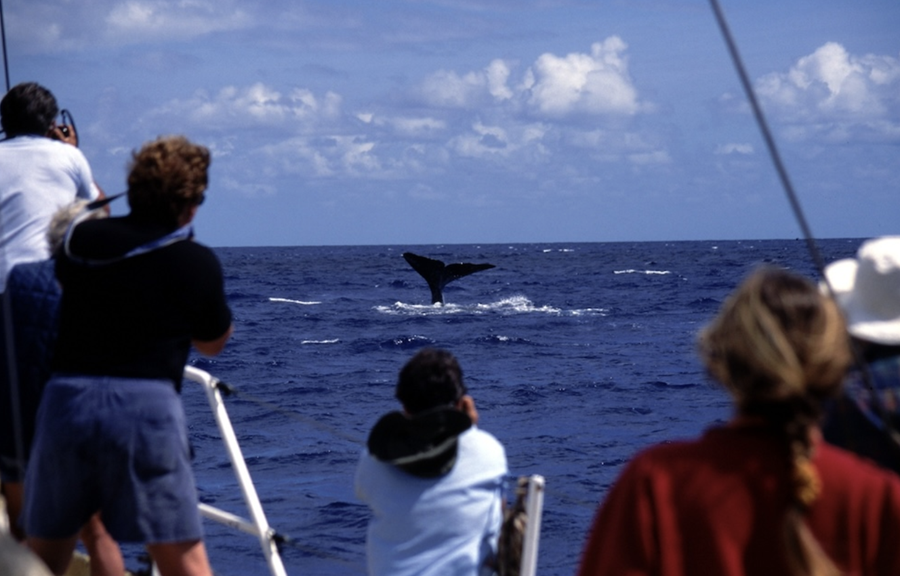
Photographing a whale fluke for ID purposes, Azores
Biosphere Expeditions: A Role Model for 2026
While many operators struggle with transparency, Biosphere Expeditions has spent over 25 years refining a model that puts science first. Their approach serves as a blueprint for the industry through three core pillars:
Financial Transparency: Biosphere Expeditions remains a non-profit, with at least two-thirds of expedition contributions going directly into the project on the ground. This ensures that the local environment and communities (not corporate stakeholders) are the primary beneficiaries.
Sustainable Impact: Every expedition is part of a long-term strategy aligned with the United Nations Sustainable Development Goals. The data collected by volunteers are used by local governments and NGOs to create protected areas and manage wildlife corridors.
Transferring a sedated cheetah to be collared, Namibia
Being part of the solution
“People no longer want to just see the world; they want to ensure the world they see continues to exist,” says Dr. Matthias Hammer, founder of Biosphere Expeditions. “Conservation travel is about bridging the gap between professional science and the passionate amateur. It’s about being part of the solution, not just a witness to the problem.”
Dr. Matthias Hammer, founder of Biosphere Expeditions
Non-profit cruise company marshals support to protect Alaska’s Tongass National Forest, one of the Earth’s last substantially intact temperate rainforests
SEATTLE, April 24, 2026 – The U.S. Department of Agriculture (USDA) – the federal agency that oversees the U.S. Forest Service – announced today its intention to begin logging on Prince of Wales Island in Southeast Alaska’s Tongass National Forest. If the USDA moves forward with this plan, The Boat Company – a 47-year-old non-profit cruise company that operates small-boat cruises in the Alaska’s Inside Passage between the port towns of Sitka and Juneau, is warning that the pristine forestland will not only forever be changed but will also be at increased risk of wildfires and environmental degradation while wildlife in the region will be severely affected.
The proposed project includes reconditioning existing roads and building new roads in the forest as well as logging 1,655 acres of national forestland.
Beginning today, the USDA has launched a 45-day public comment period for the public to voice their opinions about the proposed Environmental Impact Statement (EIS). Choices are “no action” (alternative 1), “proposed action” (alternative 2) and “one other action alternative” (alternative 3). The public can review the EIS and supporting documents on the project website here.
“This is a moment for everyone who cherishes their public lands to be loud, quick and strong,” said McIntosh. “The public lands we all own as taxpayers will be irrevocably harmed if this plan is enacted, and even though the USDA seems hell-bent on doing just that, we urge the public to make their disapproval heard. The only alternative is no action.”
The only non-profit cruise company in the world, The Boat Company’s mission is to protect the Tongass National Forest and Southeast Alaska in a variety of ways including funding lawsuits, supporting conservation efforts and promoting stewardship among cruise guests. The company has invested more than $30 million in Alaska conservation.
Called the Twin Mountain II Timber Sale Project, the proposed project will impact land on the Prince of Wales Island west of Ketchikan, Alaska. The two-pronged project will include logging on the Red Bay area on the northern end of the island and the Staney area on the west-central portion of the island.
“This is just the beginning of this administration’s plan to desecrate our public lands by extracting its natural resources, and the impacts of these insidious projects are irreversible,” said McIntosh. “And for what? You must ask yourself who will benefit from this. Certainly not the members of the public who are drawn to public lands for recreation and rest, and certainly not the local communities or the abundant wildlife that roam freely throughout the forest. The only people who benefit will be the companies that profit from the sale of trees that you and I own.”
McIntosh noted that only 121 jobs are estimated to be generated from the project. He also noted that the construction industry has increasingly been turning to more sustainable methods of construction such as using manufactured timber. He also questioned the need for taking trees in an old-growth forest for this purpose.
How to Comment
The public can learn more about the project and submit comments here.
The Roadless Rule
The project is an example of the USDA’s push to rescind the Roadless Rule. In place since 2001, the rule protects some 60 million acres of national forests from road construction, which often leads to logging, mining, wildfires and other impacts that can decimate wilderness areas including forests and grasslands. About 30 percent of all U.S. forests in 38 states and Puerto Rico are protected by the rule.
One of the forests likely to be the most affected is the 17-million-acre Tongass National Forest. Before the Roadless Rule was put in place, logging companies employed clearcutting practices that decimated the forestland. Companies harvested forest’s old-growth trees, primarily for their valuable pulp, resulting in significant habitat loss and environmental degradation and negatively impacting wildlife and local communities.
Once the rule was in place, however, the forest made a slow but significant comeback. Today, visitors see abundant wildlife that thrive in the healthy ecosystems as well as natural features like glaciers, waterfalls and wildflowers.
The general public is strongly in favor of maintaining the rule. Some organizations estimated that as many as 99 percent of commenters during last year’s brief public comment period that ended on Sept. 19 strongly favored the rule.
“Although the administration is aggressively pushing to repeal this important protection, the public has been clear that it does not support that move,” said McIntosh. “We urge everyone – including anyone who commented last year – to firmly state that they favor protection of the forests we all love.”
About The Boat Company
The Boat Company operates two vessels – the 12-stateroom Mist Cove and 10-stateroom Liseron – from mid-May through mid-September. The seven-day cruises between Sitka and Juneau, Alaska feature an array of adventures including fishing, guided hiking, wildlife viewing and kayaking. There are also entertaining and educational presentations by the crew’s trained naturalist guides. On-board chefs prepare memorable meals using high-quality ingredients and locally sourced food.
The company was recently honored by Travel + Leisure magazine with a Global Vision Award for its eco-friendly cruises. The company was also recently profiled – along with a spokesperson from Earthjustice – in this Forbes story. The Boat Company’s mission as a non-profit was also highlighted in this recent Charity Charge podcast.
Reservations for cruises can by made by visiting The Boat Company’s website or calling 1-360-697-4242. More information about The Boat Company is available here.
Founded in 1979, The Boat Company is a non-profit, conservation-focused luxury cruise operator specializing in sustainable tourism in Southeast Alaska. Through unique itineraries and a commitment to environmental stewardship, The Boat Company offers transformative travel experiences while advocating for the preservation of the Tongass National Forest.
Boulder, CO, April 21, 2026 – Natural Habitat Adventures (Nat Hab), one of the world’s leading conservation travel companies, has formed a new relationship with Earthwatch Institute to run Earthwatch Expeditions, a global leader in field-based participatory science.
Following the signing of a long-term licensing agreement finalized in February 2026, Nat Hab has assumed management of Earthwatch Expeditions travel operations and will introduce 13 new itineraries under a revised brand, Earthwatch Expeditions by Nat Hab, to begin in 2027. Additional trips are planned in the years to come, for a total of approximately 20 destinations.
The collaboration brings together Nat Hab’s expertise in delivering outstanding wildlife experiences with Earthwatch’s depth and leadership in participatory science.
“For more than 50 years, Earthwatch has connected people directly with working scientists conducting some of the most important field research on the planet,” said Ben Bressler, Founder and CEO of Natural Habitat Adventures. “Long before I founded Nat Hab, Earthwatch showed me that travel could be a genuine force for conservation.
“At a time when science and data matter more than ever in shaping the policies that protect our planet, this kind of hands-on research is critical. Together, we’re building on a legacy that has helped inform more than 1,200 environmental policies and wildlife management plans worldwide, backed by long-term research efforts that reflect a commitment to meaningful conservation.”
Guests on Earthwatch Expeditions play an integral role in scientific field research addressing pressing environmental challenges, from ecosystem health and threatened wildlife habitats to climate impacts and biodiversity protection. Under Nat Hab’s stewardship, each journey blends hands-on research with active exploration, balancing study time in the field with immersive nature experiences.
Working in small groups alongside Ph.D. scientists and their research teams, travelers collect real-world data through experiences like monitoring sea turtle nests in Costa Rica, documenting dolphin nurseries at the headwaters of the Amazon, banding owls by headlamp in the American Southwest, and deploying GPS tags on penguins along the coast of Patagonia.
Six itineraries are bookable now for travel in 2027, including:
From Permafrost to Polar Bears: Churchill’s Changing Arctic, studying climate change at the Arctic’s edge while tracking ecosystem shifts across the tundra and Hudson Bay
Following Orcas & Their Prey in Iceland, tracking the diet and movements of this apex predator in a changing North Atlantic
Conserving Sharks in Belize, working where commercial fisheries and shark protection converge, to shape the ocean’s future
Monitoring Wildlife Recovery in Kenya’s Maasai Mara, tracking animals while rebuilding ecosystems and reconnecting wildlife corridors with international scientists and a local Maasai community
Tracking Turtles in Costa Rica, helping endangered leatherback sea turtles rebound from a precipitous decline
Surveying Wildlife in the Upper Amazon, monitoring how seasonal river shifts affect wildlife movement and behavioral patterns
Seven more 2027 Earthwatch Expeditions by Nat Hab will be announced this summer, including programs such as:
Climate change in Maine’s Acadia National Park
Conserving wild bees and other pollinators in Costa Rica
Following forest owls in Arizona
Collecting wildlife data on foot in South Africa
Tracking primates in Africa
Marine life of Mexico’s Baja Peninsula
Studying polar bears in Churchill, Manitoba
Established in 1971, Earthwatch Expeditions has built one of the world’s most respected participatory field research networks, conducting more than 100,000 hours of study annually on topics ranging from climate change and wildlife conservation to rainforest ecology and marine ecosystems. Since its founding, Earthwatch Expeditions has contributed to thousands of peer-reviewed publications and environmental policies, with projects supported for an average of 12 years. More than 200,000 traveler participants have been engaged as field research assistants.
Stan Rullman, Director of Research for Earthwatch Expeditions, said, “I am thrilled to see these two apex institutions—Nat Hab and Earthwatch—join in a synergistic collaboration that will honor our independent legacies while allowing something new and powerful to emerge. We come together with shared core values, incredibly dedicated staff and scientists, and complementary skill sets to truly move the bar on wildlife conservation and the preservation of biodiversity in all its forms.”
Bressler added, “This partnership is rooted in shared purpose. At Nat Hab, we’ve spent decades proving that travel can support conservation. And Earthwatch has done the same through science. Together, we’re giving travelers a meaningful way to be part of that work.”
Earthwatch Expeditions by Nat Hab connects travelers with scientists worldwide to participate in real conservation research. Operating under a long-term partnership with Earthwatch Institute, the program builds on more than 50 years of field-based participatory science, bringing together scientific discovery and immersive travel. These small-group expeditions invite guests into the field to work alongside leading researchers in critical ecosystems across the globe, contributing to real-world studies that help better understand and protect the planet. Each expedition blends hands-on data collection with immersive wildlife experiences, offering travelers the opportunity to contribute to meaningful scientific studies while gaining a deeper understanding of the natural world. For more information, visit nathab.com/earthwatch-expeditions.
Natural Habitat Adventures has been a trailblazer in sustainable and conservation-focused adventure travel since 1985. Led by professional naturalist guides, Nat Hab journeys reveal the planet’s most extraordinary nature destinations, including polar bear tours in Churchill, small-group Galapagos cruises, intimate African safaris, close encounters with Alaskan brown bears, wolf quests in Yellowstone, and much more. As the world’s first 100% carbon-neutral travel company, creator of the World’s First Zero Waste Adventure, and the conservation travel partner of World Wildlife Fund since 2003, Nat Hab offers nearly 100 eco-conscious nature adventures from Antarctica to Zimbabwe and beyond. Natural Habitat Adventures is part of Lindblad Expeditions Holdings, a global leader in ship-based and land-based expedition travel. To date, Nat Hab has provided more than $9 million in support of WWF’s mission and will continue to give 1% of gross sales plus $185,000 annually through 2028. Featuring unique and artfully crafted itineraries, Nat Hab trips demonstrate how conservation travel works with and benefits local communities, furthering a shared commitment to conservation. Nat Hab actively seeks ways tourism can lower its impact on the planet while raising global citizens’ appreciation for the wonders of nature. For more information, visit nathab.com.
Denver, CO — March 31, 2026 — Xanterra Travel Collection® is launching its America’s 250th Travel Sale (April 17-29, 2026), an enterprise-wide initiative celebrating two remarkable milestones: 250 years of America and 150 years of legendary hospitality. This once-in-a-generation campaign invites travelers to experience unforgettable journeys across Xanterra’s diverse portfolio, from iconic national park stays to yacht-style cruises, immersive tours, and luxury resorts.
The sale builds on Xanterra’s legacy across a diverse range of travel experiences while honoring its deep roots in some of the world’s most beloved destinations. For a century and a half, the company has helped shape the visitor experience, welcoming generations of guests while supporting preservation and responsible tourism.
“As America approaches its 250th anniversary, we’re proud to celebrate our own 150-year legacy of unmatched hospitality in the country’s most extraordinary places,” said Andrew N. Todd, CEO of Xanterra Travel Collection®. “The America’s 250th Travel Sale encourages travelers to explore and enjoy our national parks and beyond while honoring the landscapes and experiences that make them so special during this milestone year.”
A World of Unforgettable Experiences®, All in One Sale
Spanning Xanterra’s full collection of brands and destinations, the America’s 250th Travel Sale makes it easier than ever to plan a memorable getaway, whether it’s a classic national park escape, a guided adventure, or a luxurious coastal retreat.
Glacier National Park — Save 20% at Cedar Creek Lodge for stays between April 19 – October 31, 2026.
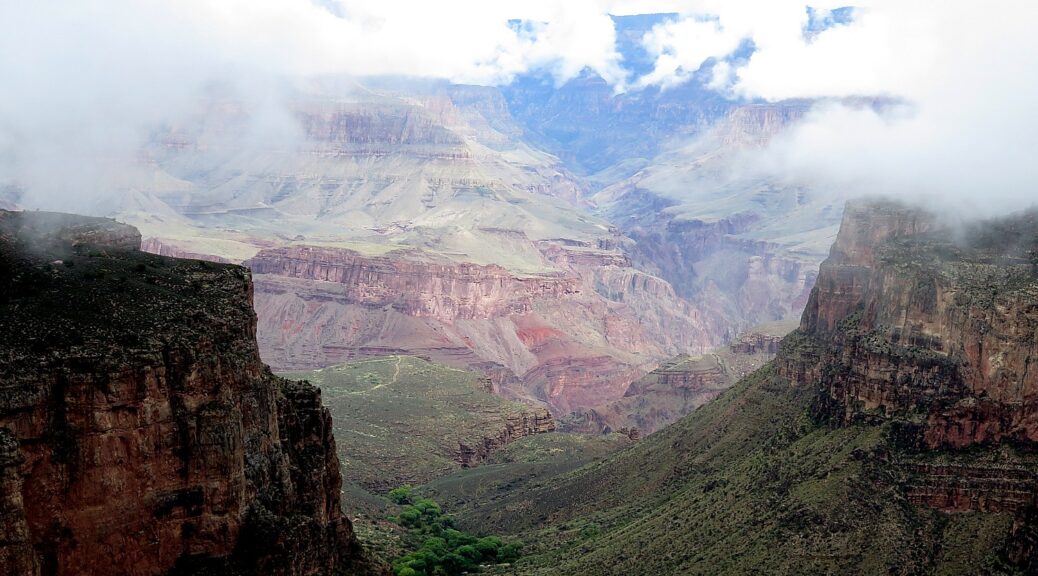
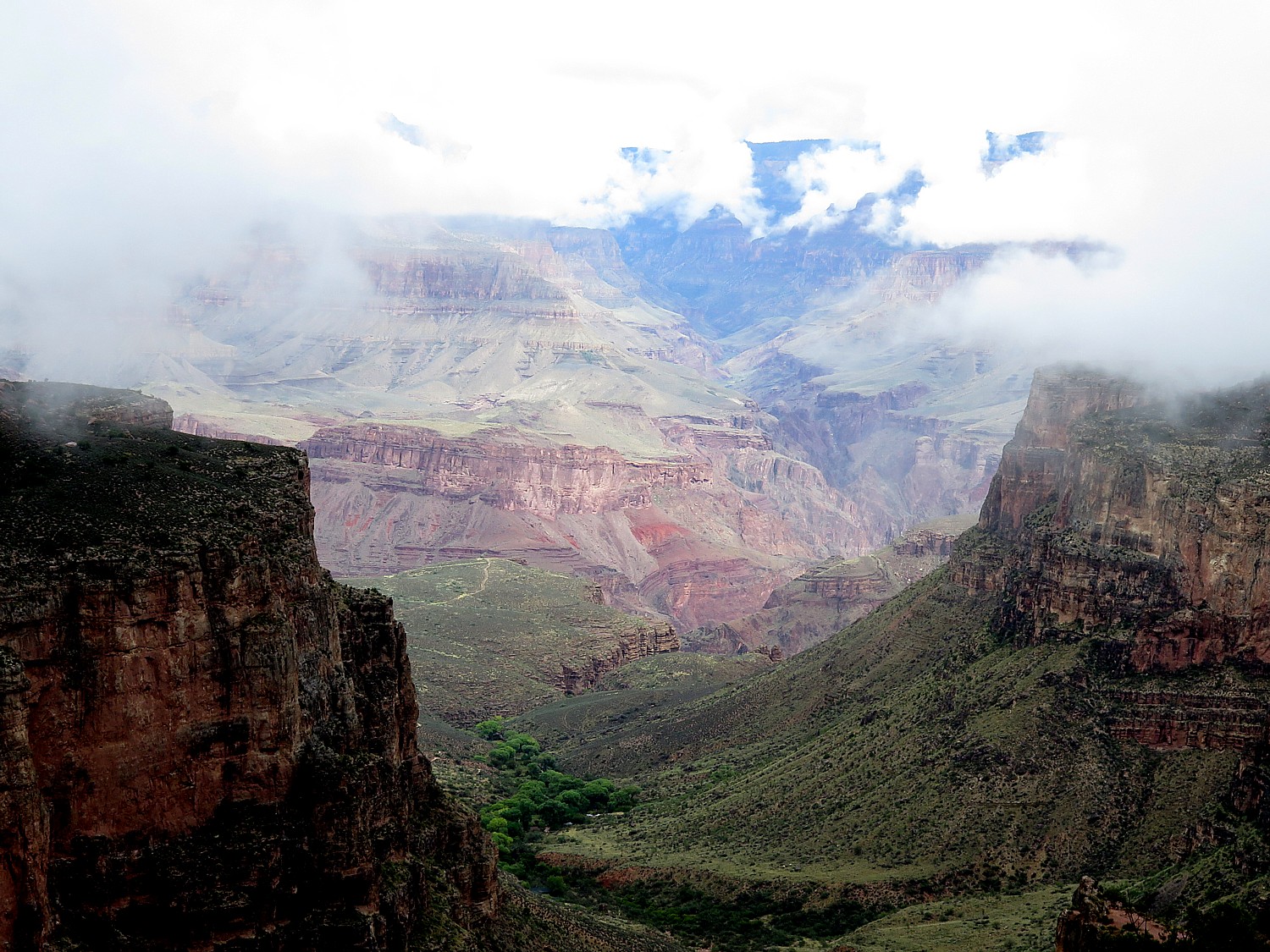
The Grand Hotel at The Grand Canyon — Save 20% on stays between May 7 – October 31, 2026.
Grand Canyon Hotel & Suites — Save 30% on stays between April 17 – October 31, 2026
Grand Canyon Railway & Hotel —Stay 2, 3 or 4 nights with the Stay and Save Platinum Package and save 50% off Pullman, Coach, First or 25% off Dome or Luxury classes on the historic Grand Canyon Railway between April 17 – September 3, 2026.
Grand Canyon South Rim Lodges — Save up to 30% at El Tovar Hotel, Bright Angel, Maswik, Kachina, and Thunderbird Lodges (Booking dates vary).
The Oasis at Death Valley — Save 30% at The Inn and The Ranch at Death Valley for stays between April 20 – October 31, 2026.
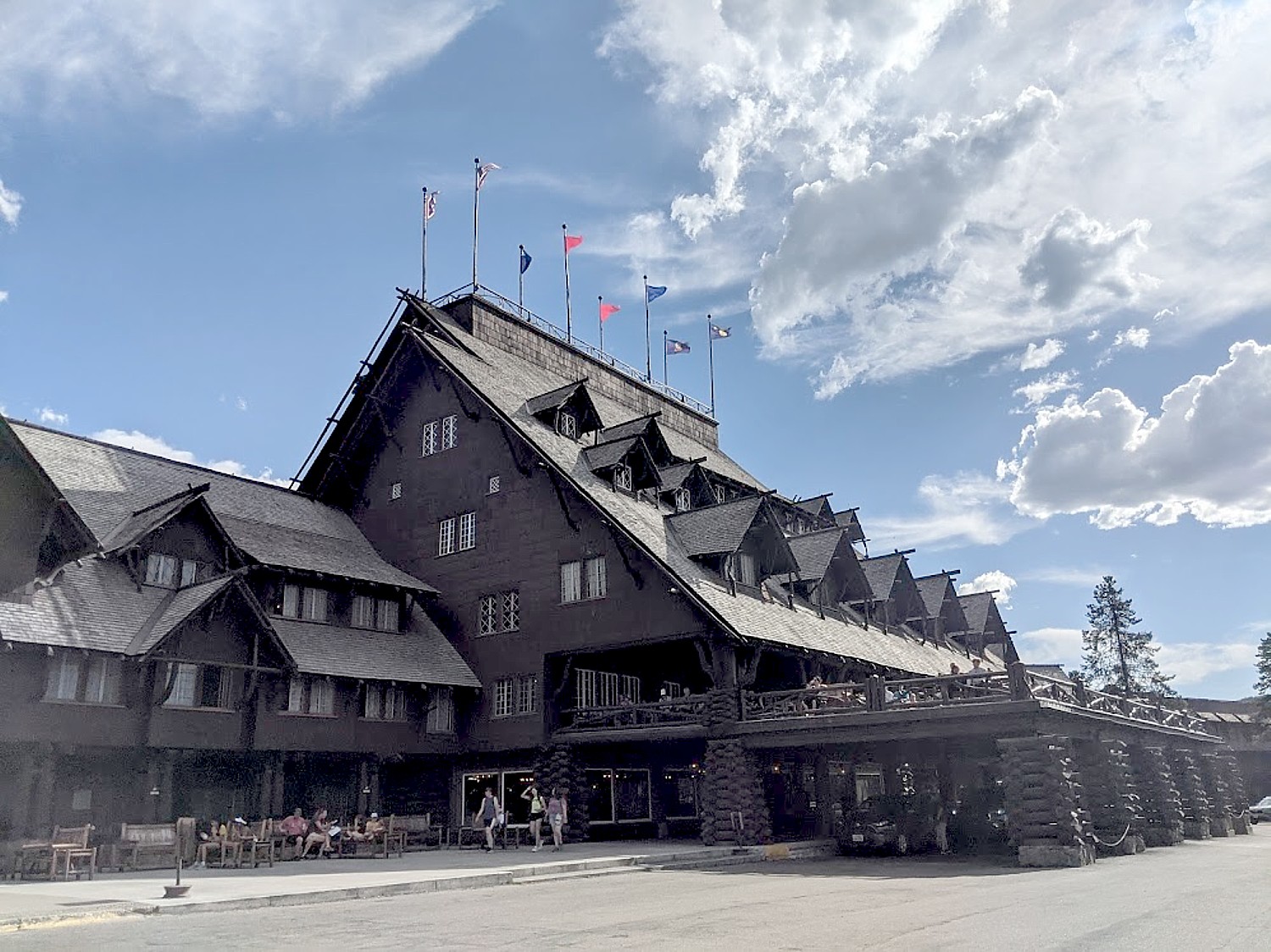
Yellowstone National Park — Save up to 30% on designated room types this spring and summer at Old Faithful Snow Lodge, Old Faithful Inn, Lake Yellowstone Hotel, Canyon Lodge, Grant Village, Lake Lodge, Bridge Bay Campground, and Grant Campground (Booking dates vary).
Cruise, Tours, and Resorts
Holiday Vacations —Take $250 off any Bryce, Zion, & Grand Canyon tour by Holiday Vacations.
Windstar Cruises — Complimentary All-Inclusive package — Wi-Fi, gratuities, and unlimited cocktails, wine by the glass and beer, on voyages through June 30, 2027.
Sea Island — For stays through February 2027, book and prepay your entire stay and enjoy a 15% savings off the standard room rate at The Inn by Sea Island.
The Broadmoor — Save up to 30% off your stay at The Broadmoor’s all-inclusive Wilderness Retreats.
“America 250 is a reminder of why travel matters — not just as a way to see new places, but to connect with landscapes and experiences that shape our shared story,” said Andrew Heltzel, Chief Commercial Officer at Xanterra. “This campaign brings together the full breadth of our portfolio, giving travelers more ways than ever to be part of that story.”
The America’s 250th Travel Sale launches April 17, 2026, and runs through April 29, 2026. Travelers can learn more and book offers at https://www.xanterra.com/americas-250-sale/.
Known for its “Legendary Hospitality with a Softer Footprint®,” Xanterra Travel Collection® provides A World of Unforgettable Experiences® through its operations in national parks, including lodges, restaurants, tours, and activities, as well as through its ownership of resorts, a cruise line, a railway, and tour companies. Xanterra has operations in Grand Canyon, Yellowstone, Glacier, and Rocky Mountain National Parks, and Mount Rushmore National Memorial. Xanterra Travel Collection® also owns and operates Grand Canyon Railway & Hotel in Williams, Ariz., The Grand Hotel and The Grand Canyon Hotel & Suites in Tusayan, Ariz., The Oasis at Death Valley in Death Valley Calif., Windstar Cruises, Holiday Vacations, VBT Bicycling Vacations, and Country Walkers. Xanterra is also affiliated with two Forbes Five-Star Resorts, The Broadmoor in Colorado Springs, CO and Sea Island on the coast of Georgia.
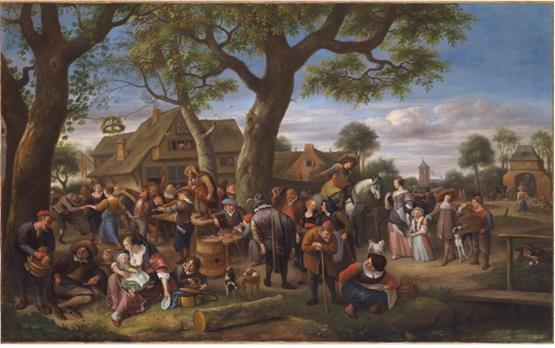
Jan Steen (1626-1679), Peasants Merrymaking Outside an Inn (previously Fair at Warmond), ca. 1676. Oil on canvas. The Leiden Collection, JS-108. Courtesy of The Leiden Collection, New York
New York, NY –This spring, The New York Historical provides visitors with an extraordinary glimpse into life in New Amsterdam through portraits, genre scenes, and still life paintings created by renowned 17th-century Dutch masters, among them, Rembrandt van Rijn. The exhibition, Old Masters, New Amsterdam , is on view May 1 to August 30, 2026.
In this first-of-its-kind exhibition, which celebrates the 400th anniversary of the founding of New Amsterdam, paintings by Rembrandt and his contemporaries help imagine the world of the Dutch settlement that would eventually become New York, depicting people at home, at the marketplace, at prayer, at play, and in taverns.
Featuring objects from The New York Historical’s collection and more than 60 Dutch 17th-century paintings, including works from the Leiden Collection—among the largest and finest collections of 17th-century Dutch art in private hands—the exhibition also includes works from a variety of institutions, including the Museum of Fine Arts Boston, National Gallery of Art, Virginia Museum of Fine Arts, the New York State Archives, and Trinity Church, as well as private collectors.
“As we continue our commemoration of the United States’ 250th anniversary, we are thrilled to have the opportunity to showcase works of art by Rembrandt van Rijn, Frans Hals, and Jan Steen, many of which have never before shown in New York,” said Dr. Louise Mirrer, president and CEO of The New York Historical. “Old Masters, New Amsterdam is a fascinating view into daily life in New Amsterdam—a diverse settlement and a place of commerce, creativity, and conflict, which laid the foundations of the city and nation we know today.”
“Four centuries ago, the Dutch founded an outpost at the tip of Manhattan Island—a humble but vibrant settlement that would give rise to New York,” said Russell Shorto, the exhibition’s co-curator, director of the New Amsterdam Project at The New York Historical. “Across the ocean, meanwhile, Rembrandt and his peers were transforming art, revealing the beauty and drama of everyday life. These Dutch artists never set foot in New Amsterdam, but their portraits, character studies, and depictions of daily life in the Netherlands provide real insight into the world of Manhattan’s 17th-century settlers.”
“The Dutch greatly enjoyed family festivities that included music, dancing, food, and drink,” said Arthur Wheelock, co-curator of the exhibition, and senior advisor to the Leiden Collection. “Jan Steen’s joyous Peasants MerrymakingOutside an Inn, for example, wonderfully captures the vibrancy and wide range of human interactions that could be found at a country fair, whether in the Netherlands or in New Amsterdam.”
In the 1600s, the tiny Dutch Republic became a global power, outpacing larger nations through bold innovations in trade and finance. By entrusting overseas ventures to private companies, the Dutch extended their reach across the oceans, bringing home spices, textiles, and extraordinary wealth.
From 1626 to 1664, New Amsterdam was the capital of New Netherland, a colony established by the Dutch West India Company that stretched across parts of five future states. The Dutch policy of religious toleration spawned an unusually pluralistic society, in which at least 18 languages were spoken. The city’s position and its diverse inhabitants made it a hub of global trade in the Atlantic network.
Some of the finest Dutch artists of the 17th century, among them Rembrandt van Rijn, Jan Lievens, Gabriel Metsu, Frans Hals, and Jan Steen, painted portraits and character studies. Though portraying scenes in the Netherlands, these works of art offer hints of what life was like in New Amsterdam for government officials, fur traders, preachers, doctors, and women at home and in the markets. One of the most memorable portraits on view is Rembrandt’s engaging Self-Portrait from 1634, which the young master painted just as he was becoming Amsterdam’s most celebrated artist. Rembrandt’s large portrayal of a dignified Amsterdam merchant, painted much later in his career, projects the gravity of a wealthy gentleman who has assumed social and political responsibilities in his life.
Homes in New Amsterdam echoed those of the old country, though they were generally more modest. Paintings of Dutch interiors on view offer glimpses into the rhythms of domestic life on Manhattan Island. As evident in Gerrit Dou’s Herring Seller and Boy, shopkeeping was a common way for a woman to make a living at home during the era. Paintings of Dutch women reading also echo the habits in New Amsterdam, where people devoured books and pamphlets. Each arriving ship brought letters with news from the home country. Gabriel Metsu’s Smoker Seated at a Table, and Caspar Netscher’s Two Women in an Interior with a Basket of Lemons, also provide tangible examples of how integral the transatlantic trade had become during this period, and how it brought luxury products within reach of ordinary citizens.
The exhibition includes market scenes as well as still-life paintings by Pieter Claesz and Frans Snyders that depict the types of foods that could be savored in New Amsterdam. Tavern life, where the Dutch enjoyed gathering for drink and song, is also seen in several works. Music was a constant feature in Dutch life, whether in the quietude of one’s home, on street corners, or at county fairs, as in Jan Steen’s large Peasants Merrymaking outside an Inn.
The story of New Amsterdam is also one of exploitation. Indigenous people were displaced, and the first enslaved Africans arrived only a year after the city’s founding. On display from The New York Historical’s collections are maps, portraits, and a deed from 1651 granting property north of New Amsterdam to Manuel de Spangie, a formerly enslaved African who had won his freedom a few years earlier. Works by the Bohemian artist Wenceslaus Hollar showcase rare likenesses of people whose societies were reshaped by colonialism, including Native Americans. The figures shown in Head of a Young Black Boy (1635) and Head of a Black Woman with a Lace Kerchief Hat (1645) may have been household servants in Amsterdam or Antwerp. While slavery was technically illegal in Amsterdam, the line between “servant” and “slave” was a blurry one.
Also on view are two foundational documents in the early struggle for religious freedom in America: the Flushing Remonstrance and the journal of Quaker leader John Bowne.
The exhibition ends with several paintings providing a glimpse into 1776 and beyond. The individuality fostered in the Dutch era evolved into a New York hallmark: a brash, confident, entrepreneurial energy. On the eve of the American Revolution, the city’s diversity made it a cauldron of debate and unrest. Built on Dutch foundations and shaped by waves of newcomers, New York reflected the American experiment and propelled it forward. From The New York Historical’s collection, Francis Guy’s 1797 painting Tontine Coffee House, New York City, where commercial activity seemingly bursts across the canvas, shows the expansive growth of the city in the century after the Dutch founded New Amsterdam.
Accompanying the exhibition is a digital 3D reimagining of the 1660 Castello Plan. Created in partnership with the New Amsterdam History Center, this interactive map lets visitors step directly into 17th-century New Amsterdam—exploring the interior of a home and visiting the original City Hall, the Indian Trading House, and a house where enslaved Africans lived. The map also traces the Lenape trail that would later become Broadway, revealing the living city beneath today’s street.
The exhibition is co-curated by Russell Shorto, director of the New Amsterdam Project at The New York Historical, and Arthur K. Wheelock Jr., senior advisor to the Leiden Collection.
Programming On May 4, the exhibition’s co-curator Russell Shorto and the Leiden Collection’s Elizabeth Nogrady lead a special tour of Old Masters, New Amsterdam, offering an Old Master’s view of New Amsterdam. On May 20, author Alan Mikhail joins Russell Shorto to explore the exceptional story of one of New York’s most unorthodox founding families, a poor immigrant couple named Anthony and Grietje, who arrived in Dutch New Amsterdam in the 1630s in search of a better life and ended up changing the course of New York’s history.
For families, there will be story time themed to the exhibition. Visit the family calendar for details. Private group tours can also be arranged throughout the exhibition.
New York’s first museum, The New York Historical is a leading cultural institution covering over 400 years of American history. A museum of museums and a collection of collections, The New York Historical is home to the Patricia D. Klingenstein Library, the Center for Women’s History, the DiMenna Children’s History Museum, and the future American LGBTQ+ Museum.