Founding Members Receive Exclusive Presale Access Beginning July 1, One Week Before Public Release on July 8
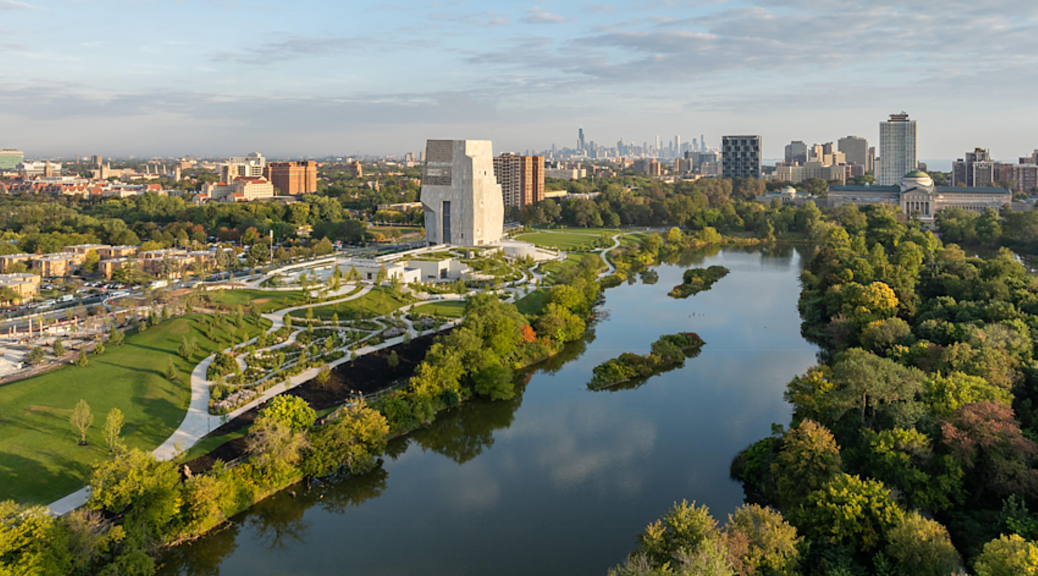
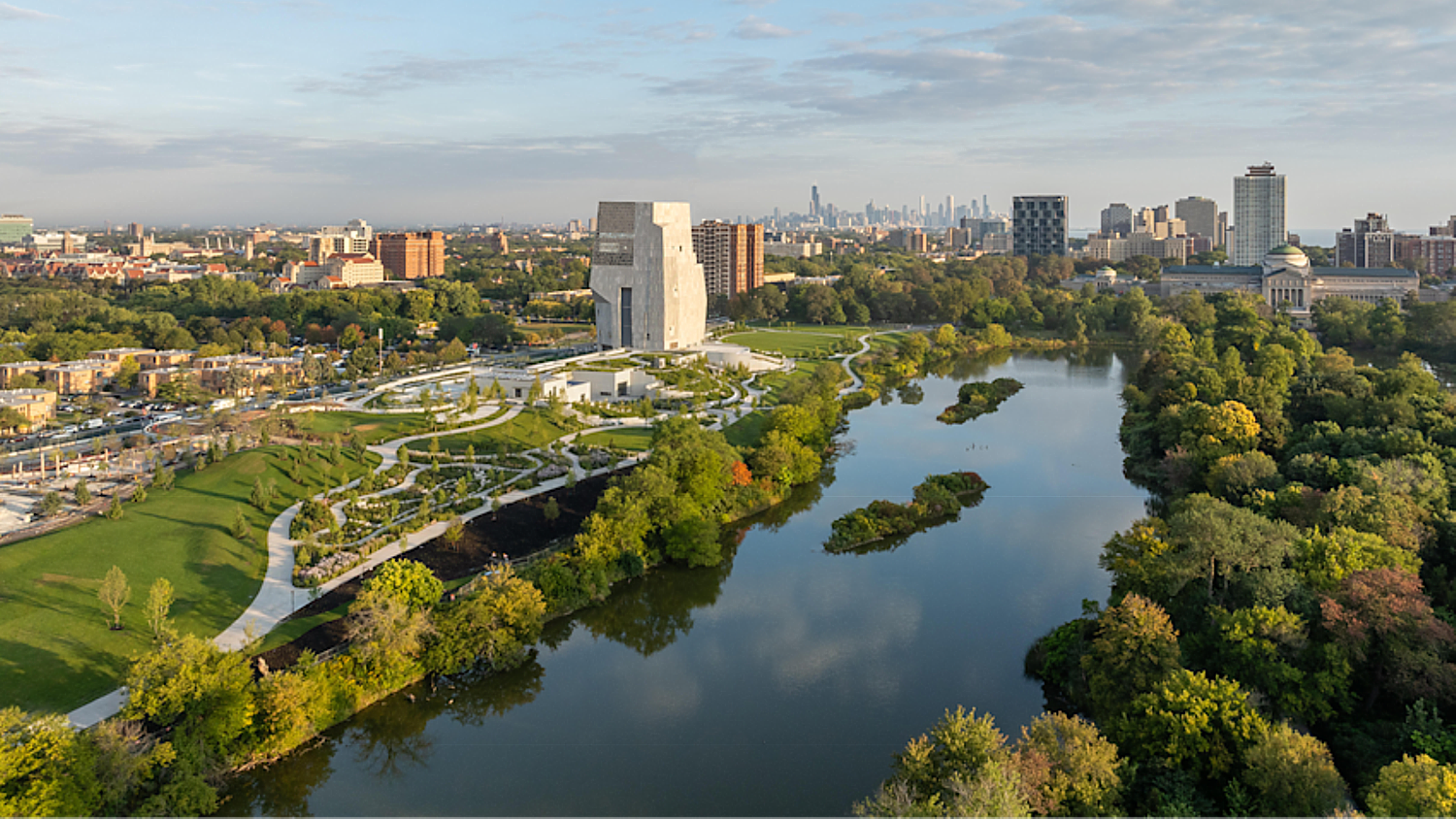
The Obama Foundation is releasing more Obama Presidential Center Museum tickets after the first tickets were immediately sold out. The new ticket release for the Museum will include visits from September 2026 through January 2027. The Museum is the only ticketed area on campus, with the vast majority of the campus free and open to the public. (photo: Obama Presidential Center)
CHICAGO, IL — The Obama Foundation today announced it will release more Obama Presidential Center Museum tickets following a sellout due to high demand. The new ticket release for the Museum will include visits from September 2026 through January 2027. The Museum is the only ticketed area on campus, with the vast majority of the campus free and open to the public.
Founding Members of The Obama Foundation will receive exclusive presale access beginning July 1, with tickets becoming available to the general public on July 8.
“We built the Obama Presidential Center to be a place where people from all walks of life can come together, find inspiration, and leave ready to make a difference – and it’s been thrilling to see that vision come to life every day on our campus,” said Valerie Jarrett, CEO of The Obama Foundation. “The overwhelming interest we’ve seen since opening our doors is a powerful reminder of how much people are looking for spaces that bring us closer together. We’re thrilled to make more tickets available and grateful to our members whose support helps us invest in the next generation of changemakers.”
Membership in The Obama Foundation provides early Museum ticket access and exclusive benefits while supporting the Foundation’s mission to inspire, empower, and connect the next generation of leaders. Member support helps expand community programming and ensures the Obama Presidential Center remains a vibrant, welcoming space for all.
For more information on membership or to purchase tickets, visit obama.org.
Ahead of Indigenous Peoples’ Day and Native American Heritage Month, here are destinations in South Dakota, New Mexico and Wyoming celebrating annual traditions:
HONOR & CELEBRATE in South Dakota
South Dakota was the first state to officially replace Columbus Day with Native Americans’ Day as a holiday, in 1990
Lakota Music Project Performances (October 13-18): A collaboration between the state’s Symphony Orchestra and Lakota and Dakota musicians, the group goes on tour in mid-October.
Blending symphonic tradition with Lakota songs, the week-long tour begins on Indigenous Peoples’ Day at what’s to become the world’s largest mountain carving, Crazy Horse Memorial, which also hosted the first Native Americans’ Day celebration 35 years ago
Itinerary Inspiration — Travel South Dakota’s Great 8 for Native American Culture: Serves to highlight culturally significant landmarks, like Dignity of Earth & Sky, a 50-foot-tall sculpture, a nod to the courage, perseverance and wisdom of the Lakota and Dakota cultures in the state, according to sculptor Dale Lamphere.
37th Annual Black Hills Powwow (October 10–12): Outside of Rapid City, catch one of the premier cultural events in the country, attracting thousands of dancers, singers, and artisans. Beyond the arena, highlights include:
The Crowning of Miss He Sapa Win: Awarded annually to a young Lakota, Dakota, or Nakota woman for her cultural knowledge, dancing, and public speaking skill
Fine Arts Show: Showcasing the work of indigenous creatives, from beadwork and star quilts to contemporary painting and photography
BE PART OF THE COMMUNITY in Santa Fe
Santa Fe, the oldest capital city in the United States, is deeply rooted in Native history and culture, with 23 Tribes, Nations, and Pueblos across New Mexico contributing to its vibrant identity
The Santa Fe Indigenous Center’s 3rd Annual Honoring Native Nations Powwow brings together dancers, singers, and drum groups from across the Southwest, adding a vibrant, community-centered gathering to the celebration.
20th Annual Winter Indian Market (November 29–30): Santa Fe’s signature holiday art event, presented by the Southwestern Association for Indian Arts (SWAIA), marks its 20th year as the premier opportunity to #buyNative during the holiday season. The market features 170 Native artists across jewelry, pottery, textiles, painting, and sculpture. It’s a chance to connect directly with artists, discover new voices, and find meaningful gifts that carry both beauty and story.
Itinerary Inspiration — Museums, Feast Days & Historic Sites: Discover the Museum of Indian Arts & Culture, the Wheelwright Museum of the American Indian, and the IAIA Museum of Contemporary Native Arts (MoCNA). Time your trip with a traditional Pueblo Feast Day (Upcoming: October 4, November 12), when pueblos open their communities for dances, music, and shared meals. Explore the historic sites and ruins filled with petroglyphs at places like Kasha-Katuwe Tent Rocks National Monument and Bandelier National Monument.
You can read a guide to visiting Santa Fe’s tribal communities HERE
Highlight on Native Artists: Santa Fe’s galleries and boutiques showcase works from celebrated Pueblo, Navajo, Apache, and other Native creatives year-round. Collectors and casual visitors alike can meet artisans, watch demonstrations, and take home one-of-a-kind pieces.
NEW FOR 2026: Cheyenne Frontier Days’ Indian Village Expansion
Wyoming’s capital city will unveil a new Indian Village during Cheyenne Frontier Days (July 17–26, 2026)
Background: For more than 60 years, The Morning Star American Indian Village has been a fixture at the world’s largest outdoor rodeo, offering dancing and drum circles, native storytelling, hoop dance workshops, and more. Cheyenne sits within the historic ranges of the Lakota and Arapaho tribes, and the Village has long provided rodeo-goers with opportunities to engage with Plains Tribal cultures.
What’s changing:
Tripling in Size: The Village will expand from 1.2 to 3.8 acres
More Spectator Space: Capacity will jump from 600 spectators to 1,000
Year-Round Engagement: The new village will be open beyond Frontier Days, opening doors for engagement year-round
Performer Amenities: Performers will now have a community building to utilize, with a kitchen, storage space and bathrooms, as well as improved air conditioning and sound systems
“Summer of Reflection: The Legacy of Anne Frank” citywide initiative expands with “Summer of Service” to thank those who educate, protect, and inspire New Yorkers
New York, N.Y. — This summer,Anne Frank The Exhibition is expanding its efforts to introduce as many New Yorkers as possible to Anne Frank’s legacy of hope and courage, offering enhanced access and free admission to thousands of public service champions, including teachers, first responders, active military, and librarians. The immersive and historically significant exhibition, presented by the Anne Frank House in Union Square at the Center for Jewish History, will launch the new initiative beginning Friday, July 11th through Friday, August 29th.
“We are honored to welcome public servants through enhanced access to the exhibition, inviting them to draw strength from Anne Frank’s enduring legacy of humanity and courage,” said Ronald Leopold, Executive Director of the Anne Frank House in Amsterdam, which organized the New York City exhibition. “Summer of Service not only recognizes the profound impact public servants have in safeguarding our freedoms, but also affirms their power to shape a more just world. By experiencing Anne Frank The Exhibition firsthand, they harness their collective empathy and resolve, becoming even stronger champions of human dignity and leading the way in the fight against hatred and intolerance.”
The new summer initiatives include:
Teacher Tuesdays:
From 9:30-11:30am, teachers will be granted free access for up to 2 adults and 4 children.
Valid school ID and email address is required for free entry.
First Responder and Active-Duty Wednesdays:
From 12:30-3:30pm, all first responders (including NYPD, FDNY, EMS, and PAPD) as well as active-duty service members, will be granted free access for up to 2 adults and up to 4 children.
Valid government-issued ID is required for free entry.
Public Librarian Weekday Evenings:
On Monday through Thursday, from 5:00-6:30pm, all NYC public librarians will be granted free access for up to 2 adults and up to 2 children.
Valid ID and NYC public library email address is required.
From 2:45-5:00pm, the exhibit is offering free entry to all visitors (last entry at 4:00pm).
The first 100 NYC library cardholders to arrive will receive expedited access on these Free Fridays. Free Friday afternoon access is offered on a first-come, first-served basis, and is limited to 250 visitors each Friday. Last entry is 4:00 pm, one hour before closing (5:00pm on Fridays). Teacher Tuesdays, First Responder and Active-Duty Wednesdays, and Public Librarian Weekday Evenings begin on July 11th and will last through August 29, 2025. Originally planned to close earlier this year, Anne Frank The Exhibition is now extended through October 31, 2025 to offer even more New Yorkers the opportunity to learn about Anne’s life and writings.
A tribute to public servants, Summer of Service extends Summer of Reflection: The Legacy of Anne Frank with a powerful message of gratitude to those who educate and protect New Yorkers. Summer of Service expandsexhibition access for New York City’s everyday heroes, such as teachers, first responders, and librarians.
Summer of Reflection: The Legacy of Anne Frank includes the distribution of 10,000 copies of Anne Frank: The Diary of a Young Girl across New York City and is made possible thanks to the generosity of Bank of America and UJA-Federation of New York, in collaboration with the New York City Public Schools Office of Library Services, New York City Public Schools Department of Social Studies & Civics, New York City Public Schools Summer Rising enrichment program, and the New York Public Library, Queens Public Library, and Brooklyn Public Library.
About Anne Frank The Exhibition:
Anne Frank The Exhibition is the first time in history that the Anne Frank House presents a pioneering experience outside of Amsterdam to immerse visitors in a full-scale recreation of the Annex rooms, fully furnished, where Anne Frank, her parents and sister, and four other Jews spent two years hiding to evade Nazi capture.
Moving through the exhibition, visitors can immerse themselves in the context that shaped Anne’s life—from her early years in Frankfurt through the rise of the Nazi regime and the family’s phased move to Amsterdam across 1933 and 1934, where Anne lived for ten years until her 1944 arrest and deportation to Westerbork, a large transit camp in the Netherlands, then to Auschwitz-Birkenau, a concentration camp and killing center in Nazi-occupied Poland, and eventually to her death at Bergen-Belsen concentration camp in Germany when she was 15 years old.
Four exhibition galleries immerse visitors in place and history through video, sound, photography, and animation; and more than 100 original collection items from the Anne Frank House in Amsterdam. Anne Frank The Exhibition provides an opportunity to learn about Anne Frank not as a victim but through the multifaceted lens of her life—as a girl, a writer, and a symbol of resilience and strength. This is a story inspired by one of the most translated books in the world.
The New York City exhibition occupies over 7,500 square feet of gallery space in the heart of Union Square. This marks the first time dozens of artifacts can be seen in the United States—many have never been seen in public.
Artifacts in the exhibition include:
Anne Frank’s first photo album (1929-1942);
Anne Frank’s typed and handwritten invitation to her friend for a film screening in her home (by 1942, anti-Jewish measures prohibited Jews from attending the cinema); and
Handwritten verses by Anne Frank in her friends’ poetry albums.
Advising the Anne Frank House on the New York City exhibition is Michael S. Glickman, CEO of jMUSE. Dr. Doyle Stevick, Executive Director of The Anne Frank Center at the University of South Carolina, the Anne Frank House’s official U.S. partner, is the educational advisor.
Anne Frank The Exhibition is a limited engagement, now extended through October 31, 2025.
The exhibition is made possible by Leon Levy Foundation, with leadership support by David Berg Foundation, Rebecca and Jared Cohen, Stacey and Eric Mindich, The Koum Family Foundation, Merryl and James Tisch, UJA-Federation of New York, and corporate partner Bank of America. Educational patrons to the exhibition include Gray Foundation and The Fuhrman Family Foundation, with additional support by The Barbra Streisand Foundation.
Major support has been provided by Debbie and Mark Attanasio, Tanya and Ryan Baker, Einstein Astrof Foundation, Elyssa and William Friedland, Jesselson Foundation, Allison and Warren Kanders, Pershing Square Philanthropies, Sara Naison-Tarajano, The Krupp Foundation, Katharine M. and Leo S. Ullman, and Anonymous, with sponsorship support by GRoW @ Annenberg, Rita J. & Stanley H. Kaplan Family Foundation, Karyn Kornfeld & Steven Kobre, The Claire Friedlander Family Foundation, and Zegar Family Foundation. Pro bono legal services provided by Wachtell, Lipton, Rosen & Katz.
General Information
Following months of being sold out, additional tickets have been added for the months of June, July, and August to ensure visitors have easy access to the exhibition. Tickets available at AnneFrankExhibit.org. The exhibition is designed for children (ages 10 and older) and adults. All general admission tickets include the exhibition audio guide. Visitors should plan to spend approximately one hour at the exhibition. Last entry is one hour before closing.
Individual tickets
Timed entry tickets, Monday through Friday: $24 (17 and under, $18)
Timed entry tickets, Sunday: $31 (17 and under, $24)
Flex tickets, Monday through Friday: $38
Flex tickets, Sunday: $54
Family tickets (2 adults + 2 children under 17 years):
Timed entry tickets, Monday through Friday: $74 (additional 17 and under ticket, $18)
Timed entry tickets, Sunday: $98 (additional 17 and under ticket, $24)
Group sales (adults)
$300 per group of 10, timed entry, Monday through Friday
$400 per group of 10, timed entry, Sunday
Hours: Sunday through Thursday: 9:30 a.m. to 7:30 p.m.; Friday: 9:30 a.m. to 3:30 p.m.; Saturday: Closed
Center for Jewish History, 15 West 16th Street, New York, N.Y. between 5th and 6th Avenues
In July 1942, Anne Frank (13), her parents, Otto and Edith Frank, and her sister, Margot Frank (16), went into hiding in the annex at the back of her father’s company. The Van Pels family (Hermann, Auguste, and their 15-year-old son, Peter) followed the next week. Four months later, they were joined by Fritz Pfeffer. All of them were Jews daring to escape certain death at the hands of the Nazis amid the German occupation of the Netherlands during World War II. Unable to go to school, largely cut off from the rest of the world, and trapped in close quarters with others while a war raged outside, Anne poured herself into her diary. The people in hiding in the Annex were discovered in 1944, and Anne and the others were arrested and sent to the Auschwitz-Birkenau concentration and extermination camp. Anne and her sister Margot were then sent to the Bergen-Belsen concentration camp, where they both died of typhus in February 1945. Anne was 15. Margot was 18 or 19. Otto Frank was the only person from the Annex to survive the Holocaust.
Anne Frank: The Diary of a Young Girl, more commonly known as The Diary of Anne Frank, is one of the most translated books in the world. Transformed multiple times for stage and screen, the published book’s source is the personal diary that Anne Frank kept in multiple notebooks during the two-year period of hiding with her family in rooms located in the back house of her father’s company in Amsterdam. Soon after Anne and the others were arrested in 1944, Miep Gies, one of the people who risked their lives to help them in hiding, returned to the Annex and found their belongings ransacked. Miep was relieved to find Anne’s diary pages, knowing how important her writings were to her, and saved them for her return. Otto was the only person from the Annex to survive the Holocaust. When Miep first gave him his daughter’s diary, he could not bring himself to read it. Soon, he did and he could not stop, sharing it with relatives and friends who encouraged him to publish what they considered “an important human document.” Upon its publication, Otto Frank wrote: “How proud Anne would have been if she had lived to see this. After all, on 29 March 1944, she wrote: ‘Imagine how interesting it would be if I published a novel about Secret Annex.'”
The Anne Frank House was established in 1957 in cooperation with Otto Frank, Anne Frank’s father, as an independent nonprofit organization entrusted with the preservation of the Annex where Anne Frank and her family went into hiding in 1942 during the Second World War. The Annex is where Anne wrote her diary, and where she and her family hid from the Nazis during the occupation of the Netherlands until being discovered and arrested by police officers in 1944. Following her transport to the Auschwitz-Birkenau concentration and extermination camp, Anne and her sister Margot were sent to the Bergen-Belsen concentration camp, where they died in 1945. For nearly seven decades, the Anne Frank House has served as a place of memory and a place of learning. Committed to bringing Anne’s life story to world audiences, the Anne Frank House has emerged as a primary resource for teaching and learning about the Holocaust. Through Anne’s legacy the Anne Frank House empowers people of all ages—and especially young people—to reflect on the dangers of antisemitism, racism, and discrimination and the importance of freedom, equal rights, and democracy.
The Center for Jewish History illuminates the Jewish past for audiences today and preserves it for the future. Home to the world’s largest Jewish archive outside Israel, it is a dynamic space for learning and public engagement. Opened in 2000, the Center is the collaborative home of five partner organizations (the American Jewish Historical Society, American Sephardi Federation, Leo Baeck Institute, Yeshiva University Museum, and YIVO Institute for Jewish Research) whose collections comprise over 7 miles of archival documents, 500,000 volumes of books, 12 million digital items, and thousands of artworks, objects, textiles, and recordings. The Center opens these vast archives to the public and activates the stories that they hold through exhibits, fellowships, genealogy programs, and an active calendar of events – making it a hub for Jewish culture and heritage. To learn more about the Center and its public programs, visit: cjh.org.
Halifax, Nova Scotia – This August 10-18, Nova Scotia will host the Congrés mondial acadien (CMA), a worldwide celebration that takes place every five years and brings together the Acadian diaspora from around the world. With events stretched across the southwestern tip of the province, travelers can explore the history, culture, language, genealogy, music, food, crafts, and more, that are the essence of Nova Scotia’s Acadian roots.
From the brightly painted houses of Yarmouth and picturesque views of seaside villages like Belliveau Cove and Pointe-de-l’Eglise, visitors will find vivid reminders of the French settlers who first claimed Nova Scotia as their home in the early 1600s. The CMA reunites and welcomes communities, families, and visitors to the province to honor Acadian history and to commemorate the thousands displaced in 1755 when the Acadian people were expelled from the province by the British for not taking a vow of loyalty to King George III.
Congrès mondial acadien 2024 Festivities
The nine-day CMA celebration will bring together the worldwide Acadian diaspora to enjoy musical events, culinary and cultural attractions, and family gatherings. Several major outdoor concerts featuring noted Acadian artists are scheduled for several days, including Canada’s National Acadian Day on August 15.
Family reunions have been an integral part of the CMA since its founding in 1994 and are organized by related associations with support from the CMA to provide Acadian families the chance to meet cousins from across the world and celebrate family contributions past and present. Acadian families from the Amiraults, Gallants, LeBlancs, Thibodeaus and many more are planning activities, meals, dances, and presentations. For the most up-to-date list of family reunions taking place this year, those interested can visit https://cma2024.ca/en/family-reunions/information-for-participants.
Various culinary experiences will also be available to guests of the CMA 2024 including demonstrations, kitchen parties (an Atlantic Canadian tradition of casual gathering with songs, local food, and newfound friends), and opportunities to try famous Nova Scotian cuisine like rappie pie (a savory dish of potatoes, onion and chicken, beef or clams) along with the province’s famed fresh seafood.
The CMA is also an opportunity to tackle topics that are important to the Acadian community, including an economic conference, a women’s summit, thematic presentations, and major discussions on the future of Acadie. Young francophones aged 18 to 35 will have the opportunity to take part in workshops to help them hone skills in leadership, learn how to become engaged citizens, develop awareness of challenges in the Francophonie, and gather to exchange ideas and foster long-lasting connections. For more information about the Congrès Mondial acadien festivities, visit https://cma2024.ca/en/.
Throughout the summer, there are important Acadian historic sites to visit in Nova Scotia:
Grand Pré National Historic Site
Open from May 17 to October 14, the Grand Pré National Historic Site is a powerful way to discover the history of l’Acadie (a historical Acadian village in Nova Scotia settled from 1682 to 1755), its people and its culture. The location is a monument that unites the Acadian people, and for many, it is the heart of their ancestral homeland. Guided tours lead visitors through the center of this Acadian settlement and where they can learn about the history of the mass deportation of the Acadians, “Le Grand Derangement,” that began in 1755. This tragic event continues to shape the vibrant culture of modern-day Acadians across the globe. Tours are available in July and August.
Le Village Historique Acadien de la Nouvelle-Écosse
Visitors wishing to immerse themselves further in the vibrant Acadian culture of Nova Scotia can explore the oldest Acadian region still inhabited by descendants of its founder in Le Village Historique Acadien de la Nouvelle-Écosse. Founded in 1653 by Sieur Philippe Mius-d’Entremont, the village is a breathtaking, 17-acre space overlooking Pubnico Harbour. Attractions include historical buildings and original nineteenth century wooden homes like Duon House and Maximin d’Entremont House, a lighthouse and local cemetery, nature trails with natural fauna and flora indigenous to the area, and opportunities to learn about the historic Acadian fishing and farming traditions.
Rendez-vous de la Baie Visitor Centre
Open year-round and located on the campus of Université Sainte-Anne in Clare is Rendez-vous de la Baie Visitor Centre, an Acadian cultural and interpretive center. Attractions include an artist-run gallery, a souvenir boutique, a 263-seat performance theatre, an outdoor performance area, and more. Travelers can experience the interpretive center and museum which delve into the Acadian peoples’ history through multimedia displays of music and language with free guided tours available. The venue is also a trailhead for a three-mile network of walking trails leading to the breathtaking Nova Scotian coast, and guided walking tours are available.
For more information on the four provinces, visit these websites or follow on social media:
WILMINGTON, Delaware – Explore the history, culture and gardens of the Brandywine Valley for one low price with the Brandywine Valley Treasure Trail Passport. On sale now, the passport provides admission to 12 of the region’s top attractions and can be used any time between May 25 and October 31, 2024, enabling passport holders to explore the attractions at their own pace.
The passport, provided by the Greater Wilmington Convention and Visitors Bureau, can be purchased at www.visitwilmingtonde.com/passport/ and at participating attractions. It is also available for sale at Bureau’s visitor center at 920 Justison Street on the Wilmington Riverfront. An individual passport is $49. A family passport, covering two adults and up to three children ages 17 and under, is $99. The passport is available in digital and print formats.
Admission to the following 12 attractions is included with the passport:
Recognized as the “Best Botanical Garden” in 2020 by USA Today’s 10 Best Reader’s Choice Awards, Mt. Cuba Center is celebrated for its rare native plant collection.
This museum displays an impressive collection of American art including works by three generations of the Wyeth family, known as “America’s First Family of Art.”
It is known for having the largest collection of Pre-Raphaelite art outside of Britain, in addition to an extensive collection of American art and illustration.
This attraction showcases an extensive collection of artifacts, documents, and interactive exhibits that bring the state’s history to life. It includes the Mitchell Center for African American Heritage.
The story of the famed du Pont family begins here at the original DuPont gunpowder mills. “Nation of Inventors features one of the largest collections of patent models in the world.
This impressive 1,100+-acre garden has topped many botanical “best of” lists over the years. The centerpiece is the magnificent four-acre Conservatory, showcasing an astonishing array of exotic plants. (Note: The passport is valid at Longwood Gardens through September 30, 2024).
This National Historic Landmark is offering a brand-new interior tour that reveals aspects of the history hidden in the architecture and furnishings of this 14,000-square-foot mansion.
The Gothic Revival architecture of this historic mansion and its enchanting landscape were designed to reflect the beauty of an English country estate.
This former du Pont family home boasts an unparalleled collection of American decorative arts and 1,000 acres of explorable grounds and gardens.
Passports are valid for one use at each attraction. Blackout dates may apply. For more information on the Passport and to start planning a visit, go to www.VisitWilmingtonDE.com.
The Greater Wilmington & the Brandywine Valley region of Delaware is in the heart of the Mid-Atlantic and less than a two-hour drive from both New York City and Washington. Steeped in American history and the legacy of the famed du Pont family, it is a destination marked by sharp contrasts – town and garden, past and present, historic and hip. Featuring renowned gardens, world-class museums, colonial towns, outdoor adventure, festivals, and an ever-growing restaurant scene, the region offers a vacation experience that is vibrant, unique and authentic.
More than 100,000 low- or no-cost tickets have been made available by Broadway and Off-Broadway productions participating in the NYC Musical and Theatrical Production Tax Credit. The deeply discounted tickets, which can be as little as $20, were sold to members of the community who might not otherwise have had the opportunity to experience a Broadway or Off-Broadway show. There are over 90 plays and musicals participating in the program that represent at least $1.7 billion in spending and more than 11,000 hires.
“New York is hitting a blockbuster milestone, with top Broadway and Off-Broadway productions making more than 100,000 discounted tickets available to New Yorkers,” Governor Kathy Hochul said. “Broadway is central to New York’s identity as a global hub for arts and culture, and my Administration will continue supporting this industry through the transformative New York City Musical & Theatrical Production Tax Credit.”
Empire State Development President, CEO and Commissioner Hope Knight said, “The arts in New York State, especially our Broadway and Off-Broadway productions, are one of our biggest assets, and one that every New Yorker should be able to experience. Today, we give our regards to Broadway, and the partnerships that have allowed us to reach this exciting milestone.”
Under the NYC Musical & Theatrical Production Tax Credit, Broadway and Off-Broadway productions are required to create and implement a plan to ensure that their production is available and accessible for low-or no-cost to low-income New Yorkers. Productions may work directly with the State to identify community-based organizations or educational institutions serving low-income residents in the New York City, Long Island and Mid-Hudson regions to distribute tickets or work with a third-party partner, such as the Theatre Development Fund, which in turn provides low- or no-cost tickets to students, veterans, senior citizens, individuals with disabilities, and other groups.
In addition to making tickets more accessible, productions participating in the program are required to participate in a New York State-approved diversity and arts job training program. Productions may work with pre-approved formalized fellowship programs from The Theatre Leadership Project or the Black Theatre Coalition or create a self-operated fellowship program for individuals from diverse backgrounds to learn to work in the theater industry. Through this requirement, 75 fellows from underrepresented communities have been employed on productions.
As part of the FY 2024 New York State Budget, Governor Hochul secured a major expansion of the New York City Musical & Theatrical Tax Credit program to include Off-Broadway productions, which are major contributors to New York’s live entertainment economy.
Governor Hochul remains committed to supporting New York’s performing arts sector – a critical part of economic and cultural life in New York and a key driver of tourism across the state. Over the past year, Governor Hochul has awarded nearly $210 million in grants for non-profit cultural organizations through the New York State Council for the Arts thanks to unprecedented funding secured in the State budget. Since April, Governor Hochul has announced a total of $132 million in capital grants for New York arts organizations to fund critical projects that strengthen the State’s diverse creative sector, including over $90 million to support large-scale projects that prioritize community development and placemaking. Governor Hochul also awarded an additional $76 million in non-capital grants through the FY2023 Budget that provided flexible funding to nearly 3,000 cultural organizations and individual artists. NYSCA is currently accepting applications for its FY 2024 Capital Projects Fund, and will announce nearly $120 million in FY2024 grants over the next year.
Governor Hochul also maintains a strong commitment to building New York’s thriving tourism industry following her announcement that the state welcomed an historic 291.5 million visitors generating more than $78.6 billion in direct spending in 2022. The Governor announced a $450 million “Bring Back Tourism, Bring Back Jobs” Recovery Package to support industries hit hardest by the COVID-19 pandemic like the performing arts and revitalize tourism statewide. The package included: a $200 million Seed Funding Grant; a $100 million Tourism Worker Recovery Fund; a $100 million Tourism Return-to-Work Grant Program; a $25 Million Meet in New York Grant; and a $25 million I LOVE NY Global Marketing Campaign.
TDF’s Managing Director Michael Naumann said,“It has been an honor to develop the TDF Passport Series through the New York City Musical & Theatrical Production Tax Credit program with Governor Hochul and Empire State Development. It is TDF’s mission to make the theatre accessible to everyone and build new audiences. This program does just that – it allows New Yorkers, most of whom are first-time theatregoers who could not afford to attend Broadway and Off Broadway, to finally get the chance to enjoy live performance.”
“Governor Hochul is Broadway’s best partner in working to drive economic development while also diversifying our audiences and workforce,” The Broadway League President Charlotte St. Martin said. “As we continue to bring tourists back to Broadway, we are including more members of our community in the audience and working backstage. Governor Hochul’s efforts, in partnership with the Senate and Assembly, have resulted in in our shows providing more than 100,000 low- or no-cost tickets to New Yorkers while also creating 75 diverse fellowships on Broadway. We could not be prouder of this effective and balanced effort by our Governor.”
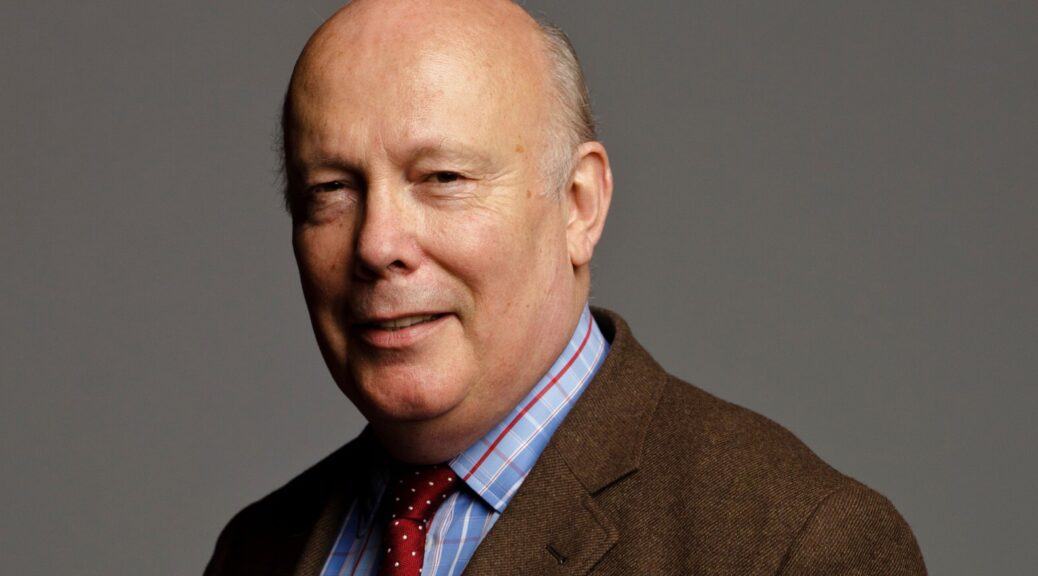
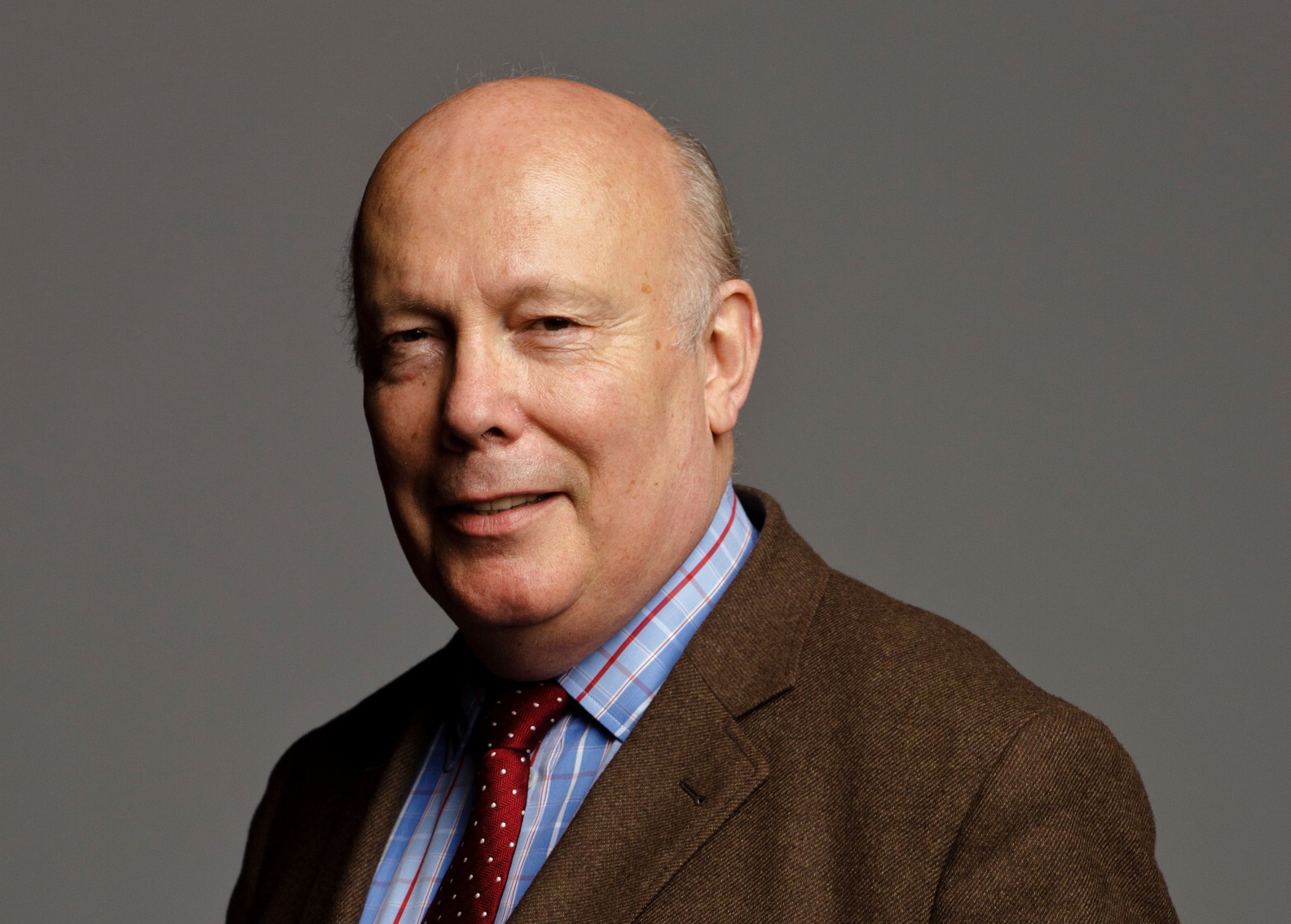
The Preservation Society of Newport County is hosting a special evening with Julian Fellowes, the acclaimed writer, director, producer, novelist and actor who created “The Gilded Age” and “Downtown Abbey, at The Breakers (photo by Nick Briggs)
NEWPORT, R.I. – The Preservation Society of Newport County is proud to host a special evening with Julian Fellowes on July 26 at The Breakers. Oscar and Emmy winner Fellowes is the brilliant writer, director, producer, novelist and actor who created “The Gilded Age” and “Downton Abbey.”
This event will feature dinner and conversation with Lord Fellowes in the opulent setting of the Great Hall of The Breakers. The evening will begin with cocktails, followed by a sit-down dinner. Lord Fellowes will converse with an interviewer for roughly 30 minutes and will take questions before dessert is served. To learn more or purchase tickets, visit www.NewportMansions.org.
Lord Fellowes has also been named the 2022 recipient of the Antiquarian Award – the highest honor presented by the Preservation Society of Newport County – in recognition of the collective impact of his work. This award will be presented during the Preservation Society’s Annual Meeting on June 9 in the Rosecliff ballroom. Lord Fellowes will not be in attendance but has recorded remarks to be aired during the ceremony.
He will be presented in-person with the Antiquarian Award at The Breakers during the event on July 26.
“Lord Fellowes has made a lasting impact, not only on the Preservation Society, but on the city of Newport and the state of Rhode Island with ‘The Gilded Age,’ his new series on HBO,” Preservation Society CEO and Executive Director Trudy Coxe said. “We are honored to have this wonderful historical drama filmed in a number of our house museums, contributing to the authenticity of a series that beautifully showcases Newport and its Gilded Age legacy while also delivering an immense economic boost to the region. And we look forward to hosting Lord Fellowes for this special evening on July 26!”
The Gilded Age was a period of immense economic change, of huge fortunes made and lost, and of fierce rivalry between old money and new. Nowhere is that rivalry more apparent than on East 61st Street, where Marian Brook and her thoroughly old money aunts, Agnes van Rhijn and Ada Brook, live opposite the stupendously rich George and Bertha Russell. The Russells are both fiercely ambitious, he financially, she socially, and they are determined to reach the highest echelons of New York. Meanwhile in Brooklyn, Marian’s friend and confidant Peggy Scott forges her own path in the world of the Black elite. In this glittering world on the brink of the modern age, will the established rules of society prevail, or will the game change entirely? Filming for Season 2 of “The Gilded Age” is currently underway at various locations in Newport, including several Preservation Society mansions.
“I am tremendously honored, even overwhelmed, to be given the Antiquarian Award,” Julian Fellowes said. “I knew about Newport. I’ve read about Newport. But I hadn’t been there, hadn’t experienced it, until we started to make the program. I find it an extraordinary place. I’ve already called it a village of palaces, but that is what it is, grand, even awe-inspiring, but at the same time, beguiling.”
Julian Fellowes has had an extensive and distinguished career in film, television, publishing and the dramatic arts. He received an Academy Award for Best Original Screenplay in 2002 for “Gosford Park,” his first produced film, and he is the creator, sole writer and executive producer of the worldwide hit series “Downton Abbey,” which received 69 Emmy Award nominations, winning 15, over its six seasons. He also received a Golden Globe Award and special BAFTA Award for “Downton Abbey.” The “Downton Abbey” movie written and produced by Fellowes was released in 2019. Most recently, the feature film “Downton Abbey: A New Era” written and produced by Fellowes was released in Spring 2022.
His other work includes “Separate Lies” for which he received the National Board of Review Directorial Debut Award, “From Time to Time” which he wrote and directed which won Best Picture at the Chicago Children’s Film Festival and Best Picture at the Fiuggi Family Festival in Rome, “The Young Victoria,” “Vanity Fair,” his Emmy Award-winning “Little Lord Fauntleroy,” and the BAFTA nominated “The Prince and The Pauper;” and three novels – “Belgravia,” “Snobs,” and “Past Imperfect” – that were Sunday Times Best Sellers. He is responsible for the ‘book’ of the Broadway musicals, Mary Poppins and School of Rock – The Musical for which he received a Tony nomination. In January 2011, he was given a peerage and entered the House of Lords as the Lord Fellowes of West Stafford.
2022 Newport Mansions Wine & Food Festival
In other news, The Preservation Society of Newport County announced J.P. Morgan Wealth Management as the presenting sponsor for the 2022 Newport Mansions Wine & Food Festival, to be held September 16-18.
Returning for its 17th year, the Newport Mansions Wine & Food Festival is one of most anticipated events of the summer. This world-class festival showcases unique wines, spirits and culinary events over three days in the spectacular setting of Rosecliff.
This year’s festival will build on the boutique vibe from the last two years, and will curate 24 wine and spirits seminars with an array of vintners, wineries, wine and culinary experts hosted in the Rosecliff salon and dining room, and on the terrace. Wine experts and luminaries will treat festival attendees to one-hour tasting journeys representing regions from all over the world.
An exciting addition to the festival experience this year is the Micro-Tasting Tent. All seminar attendees will have exclusive access to this tent to taste and learn from unique world-class wine, spirits, and culinary vendors.
Special events will include a Vintner Dinner in the ballroom at Rosecliff on Friday night, September 16, and the “Newport After Dark” party will also return at a venue to be announced.
New this year, James Beard Award Winning Celebrity Chef Michael Solomonov will host the Sunday Brunch. Solomonov is an Israeli chef and restaurateur, known for his Philadelphia restaurant Zahav. He won the James Beard Foundation awards for Best Chef: Mid-Atlantic in 2011, Cookbook of the Year in 2016, and Outstanding Chef in 2017.
The Festival Restaurant Program, presented by BankNewport, promises creative culinary and wine lunches and dinners hosted by Newport’s award-winning restaurants.
Proceeds from the Newport Mansions Wine & Food Festival benefit The Preservation Society of Newport County, a non-profit organization accredited by the American Alliance of Museums and dedicated to preserving and interpreting the area’s historic architecture, landscapes and decorative arts. Its 11 historic properties — seven of them National Historic Landmarks — span more than 250 years of American architectural and social development.
The Preservation Society of Newport County, Rhode Island is a nonprofit organization accredited by the American Alliance of Museums. It is dedicated to preserving and interpreting the area’s historic architecture, landscapes, decorative arts and social history. Its 11 historic properties – seven of them National Historic Landmarks – span more than 250 years of American architectural and social development.
Admission-Free Facility to Serve as Year-Round Tourist Destination,Offer STEM Education to Area Youth
The admission-free NY Energy Zone opening in Utica will introduce visitors to the dynamic world of electricity, past, present, and future and New York State’s part in it with interactive exhibits.
New York State is opening a new admission-free attraction, John S. Dyson New York Energy Zone, designed and financed by the New York Power Authority, in Utica, to tell the story of the state’s electric history, electric companies, and progress toward a clean, renewable energy future.
New York, with a nation-leading climate plan, is on a path to achieving its mandated goal of a zero-emission electricity sector by 2040, including 70 percent renewable energy generation by 2030, and to reach economy wide carbon neutrality.
The 15,000-square-foot New York State museum of energy in Utica, located next to the Utica Zoo, is expected to open to the public May 10.
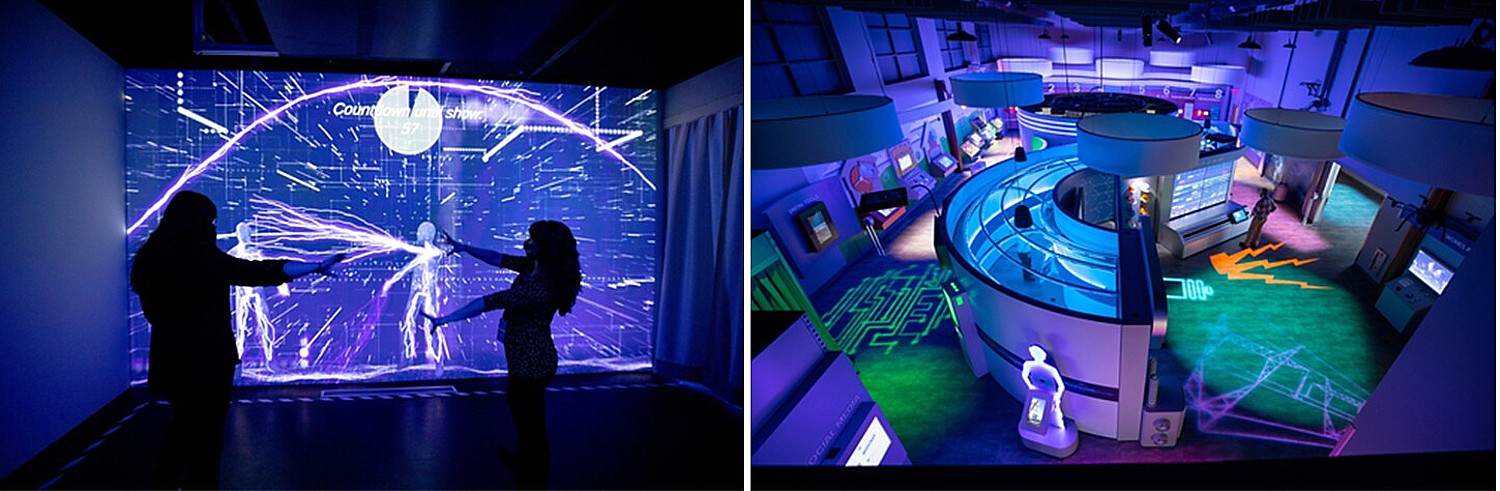
The NY Energy Zone will introduce you to the dynamic world of electricity, past, present, and future, and New York State’s part in it. Interactive exhibits, activities, movies and videos meet you at every turn. Plus you will learn about NYS’s exciting electric history, its great electric companies and the important work at NYPA’s Frederick R. Clark Energy Control Center in nearby Marcy.
The facility features exhibits that simulate flying a drone to check on power transmission lines, controlling electricity on an energy grid, operating a power plant, and building a micro power grid along with many other interactive activities designed to teach visitors about the past, present and future of energy in New York State.
Exhibits throughout the museum reflect input and information from New York’s major private utilities; NYPA’s sister agency, the New York State Energy Research and Development Authority (NYSERDA); and the New York Independent System Operator (NYISO) as well as industry trade groups. Each entity shares its role in the energy and electricity story of New York State that is highlighted throughout the Energy Zone.
Are you ready? An electrifying experience awaits…
Activate and personalize your Power Pass with an avatar
Step into the zone with our 3-D immersive movie experience “Imagination!” in the Magi Theater
Travel back in time with Nikola Tesla and Thomas Edison
Build a bulb, a power plant, microgrid, solar and wind installation
Become a control room operator
Explore the ‘Future of the Grid’ room and watch the sparks fly
“Fly” a drone over power lines
Plus enjoy photo op moments and more
“I visit the Power Authority’s Niagara Power Vista in Lewiston every chance I get and now I am thrilled that I’ll be able to learn even more about the New York energy story at the New York Energy Zone in Utica,” said Lieutenant Governor Kathy Hochul. “NYPA’s first-class visitors centers attract visitors from around the world. This energy museum will help boost the local economy as more tourists visit the area. Educators from around the state and beyond will appreciate what the museum has to offer in Science, Technology, Engineering and Mathematics programming, and we will all benefit by inspiring new leaders in these fields as we transform our energy system to a zero-emission electricity sector by 2040.”
Named for former NYPA Chairman John S. Dyson, the new facility is affiliated with NYPA’s Frederick R. Clark Energy Center — the hub of its statewide power transmission control center located in Marcy. The two-story facility features a 3D feature film about Nikola Tesla directed by Douglas Trumbull, known for his work on 2001: A Space Odyssey (1968), Close Encounters of the Third Kind (1977), and Blade Runner (1982). The film showcases the contributions of Tesla and other famous inventors from the past, returning Tesla to the present to introduce him to the amazing electrical achievements and opportunities of today that have been made possible by his work.
The facility also is home to a STEM Lab — a space dedicated to science, technology, engineering, and mathematics and focused on student learning. The STEM Lab’s programming will be developed in partnership with local educational entities with an expertise in STEM and will host hands-on educational experiences and special events.
The museum is named for John S. Dyson, who served as Chairman and Chief Executive Officer of the Power Authority from 1979 to 1985, and vice chairman and member of the board of trustees from 2011 to 2012. Hallmarks of his leadership at NYPA include a legacy of strengthening the state’s power transmission system, energy conservation, and programs to promote energy efficiency and economic development, including initiatives allocating lower cost electricity to businesses in return for job commitments. As the state’s Commerce Commissioner in the late 1970s, he established the “I Love New York” program. A longtime New Yorker, Dyson grew up in Westchester and Dutchess counties and graduated from Cornell University. He lives in Millbrook, Dutchess County.
The museum is expected to complement the region’s tourism attractions and contribute to its economic development, in addition to showcasing New York State as being on the vanguard of a clean, renewable energy economy.
All visits to the new John S. Dyson New York Energy Zone will follow New York Forward COVID-19 safety precautions. For more information or to schedule a time to visit after May 10, visit NYPA’s New York Energy Zone webpage.
Anthony J. Picente Jr., NYPA trustee and Oneida County Executive, said,”Utica is a natural location for this museum of energy because it complements the work of our Frederick R. Clark Energy Center, NYPA’s system-wide energy transmission complex in Marcy. I am grateful to my colleagues at the Power Authority for their vision in conceiving and developing this magnificent facility in Oneida County that will inspire our next generation of energy leaders and benefit all New Yorkers for decades to come.”
NYPA has three other admission-free visitors centers near its major hydropower projects. The centers, which feature exhibits that demonstrate the production of electricity, also educate the public about clean energy and host community events. NYPA’s Niagara Power Vista, minutes from Niagara Falls; its Blenheim-Gilboa Visitors Center in the Catskills; and its Frank S. McCullough, Jr., Visitors Center and Boat Launch at Hawkins Point on the St. Lawrence River offer outdoor recreation opportunities on the grounds and nearby. For more information about COVID-19 prevention protocols and opening plans, visit NYPA’s Visitors Centers webpage.
Housed in a 19th-century dairy barn Blenheim-Gilboa features exhibits describing the unique engineering of a pumped-storage power facility. On the grounds stands Lansing Manor, a 19th century home preserved for modern visitors. Hiking, boating and fishing are very popular.
The Hawkins Point Visitors Center nests on an island in the St. Lawrence River. Visitors will learn about the series of dams, walls, and canals that let the enormous river provide power to both Canada and New York.
At the renovated Niagara Power Vista, the power generation exhibits are on a par with those of the best science museums in the country—and it’s just five miles from Niagara Falls.
The NY Energy Zone introduces you to the dynamic world of electricity, past, present, and future, and New York State’s part in it. Interactive exhibits, activities, movies and videos meet you at every turn.
New York State’s Nation-Leading Climate Plan
Governor Cuomo’s nation-leading climate agenda is the most aggressive climate and clean energy initiative in the nation, calling for an orderly and just transition to clean energy that creates jobs and continues fostering a green economy as New York State recovers from the COVID-19 pandemic. Enshrined into law through the Climate Leadership and Community Protection Act, New York is on a path to achieving its mandated goal of a zero-emission electricity sector by 2040, including 70 percent renewable energy generation by 2030, and to reach economy wide carbon neutrality. It builds on New York’s unprecedented ramp-up of clean energy including over $4 billion invested in 91 large-scale renewable projects across the state, supporting more than 150,000 jobs in New York’s clean energy sector in 2019, a commitment to develop 9,000 megawatts of offshore wind by 2035, and 1,800 percent growth in the distributed solar sector since 2011. Under Governor Cuomo’s leadership, New York will build on this progress and reduce greenhouse gas emissions by 85 percent from 1990 levels by 2050, while ensuring that at least 35 percent with a goal of 40 percent of the benefits of clean energy investments to disadvantaged communities and advancing progress towards the state’s 2025 energy efficiency target of reducing on-site energy consumption by 185 trillion BTUs of end-use energy savings.
NYPA is one of the largest state public power organizations in the nation, operating 16 generating facilities and more than 1,400 circuit-miles of transmission lines. More than 80 percent of the electricity NYPA produces is clean renewable hydropower. NYPA uses no tax money or state credit. It finances its operations through the sale of bonds and revenues earned in large part through sales of electricity. For more information, visit www.nypa.gov.
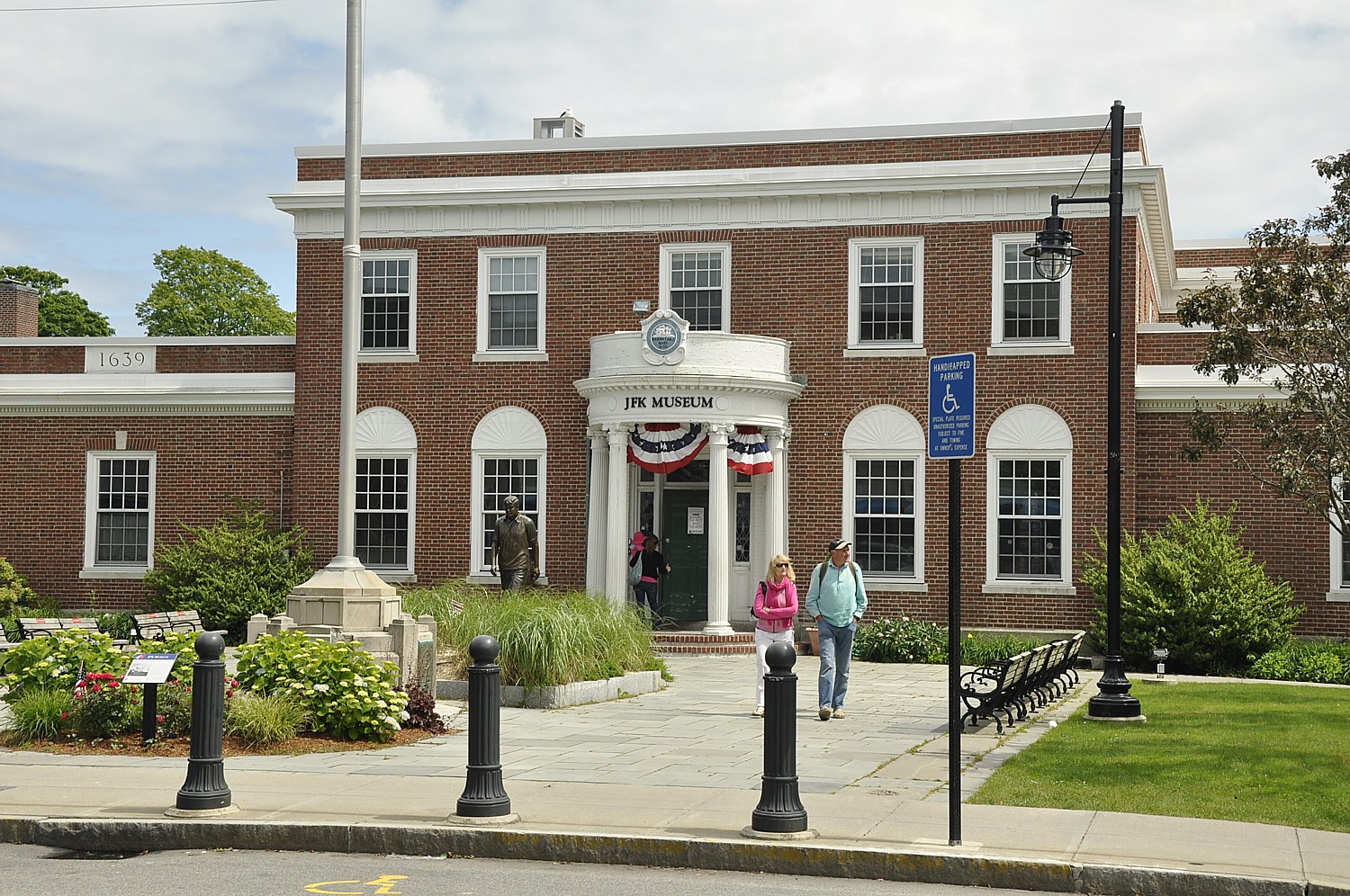
The John F. Kennedy Hyannis Museum announced the return of a special exhibit to commemorate the life and legacy of Robert F. Kennedy as it reopens for the 2021 season. Tickets are capacity controlled to adhere to health protocols.
(HYANNIS, MA) –The John F. Kennedy Hyannis Museum announced the return of a special exhibit to commemorate the life and legacy of Robert F. Kennedy as it reopens for the 2021 season. Tickets are capacity controlled to adhere to health protocols.
The “RFK: Ripple of Hope” exhibit, assembled in collaboration with RFK Human Rights Foundation, will open on Saturday, April 17, 2021 at the Hyannis museum and will be on display through 2022.
“The theme ‘Ripple of Hope’ comes from his most famous and powerful speech delivered in Cape Town, South Africa,” said the exhibit curator Rebecca Pierce-Merrick. “It’s a fitting title for our exhibit as well because that’s exactly what his life of public service created – a ripple of hope that continues to reverberate through the generations since his passing.”
This exhibit begins with Robert Kennedy’s early years within the Kennedy family, including rarely seen images of his time on Cape Cod. The focal point of the exhibit however, covers his time serving as the U.S. Attorney General, his election to the U.S. Senate, and culminating with his inspirational presidential campaign, which began on March 16, 1968 and ended with his death on June 6, 1968.
One particularly poignant part of the exhibit highlights an impromptu speech he gave before a large group of distraught onlookers the night Martin Luther King, Jr. was assassinated in April 1968 just weeks after Kennedy announced his bid for the presidency.
The exhibit includes 45 images and excerpts from Robert Kennedy’s speeches that convey the boundless energy he showed on the campaign trail, often with Ethel and his children at his side. “Ripple of Hope” also has very moving eight-minute video narrated by Kathleen Kennedy and Joseph P. Kennedy III.
Tickets should be purchased online at www.jfkhyannismuseum.org for specific time of visit as limits are in place for daily admissions for health and safety of museum guests. The Museum will be open daily during April school vacation, and thereafter each Thursday, Friday and Saturday from 11 a.m. until 5 PM until Memorial Day at which time the summer schedule will commence.
The John F. Kennedy Hyannis Museum Foundation preserves and promotes the legacy of President Kennedy, his family, and their deep connection to Cape Cod.
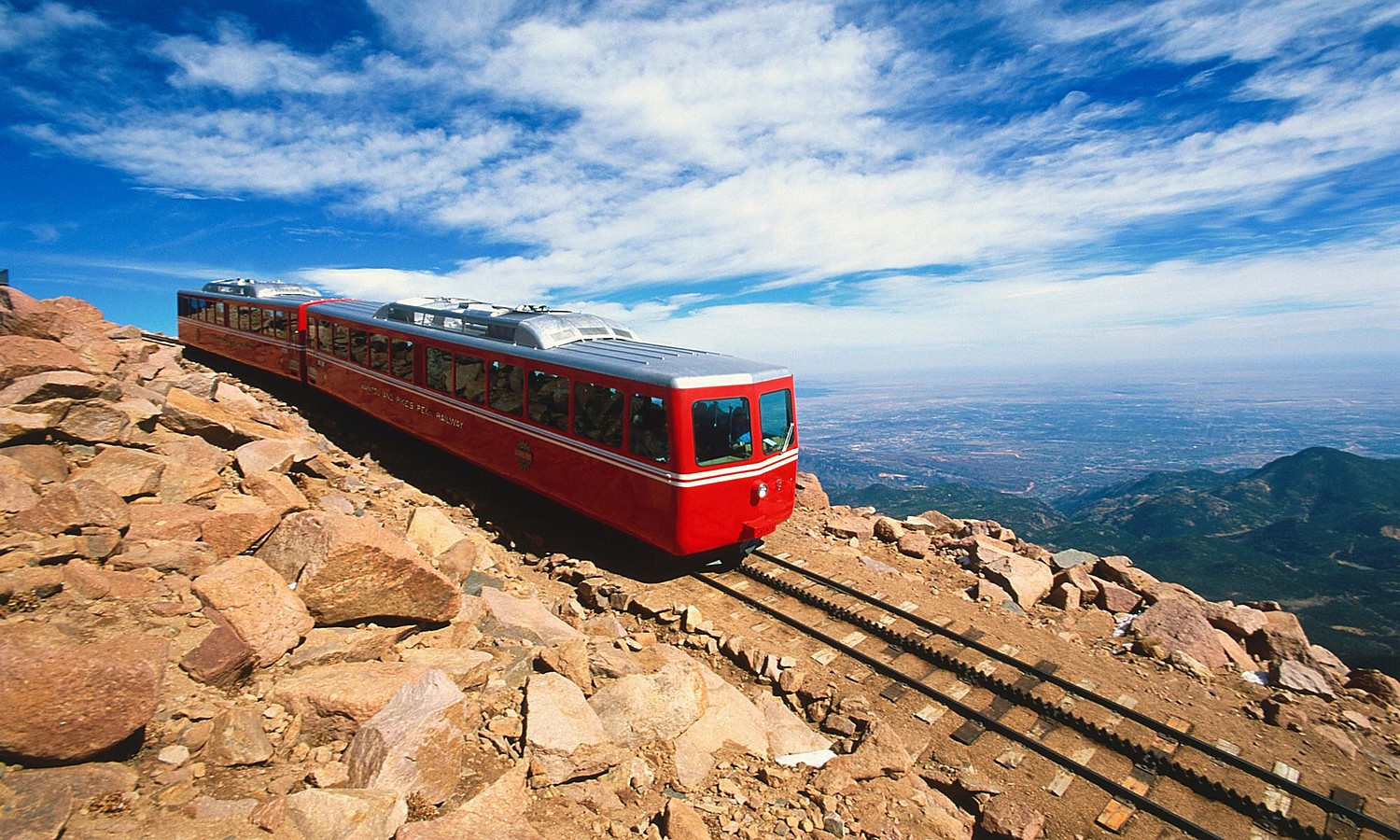
The Broadmoor Manitou and Pikes Peak Cog Railway, America’s highest railway reaching a height of 14,115 feet, is back and will be better than ever climbin’ up America’s Mountain beginning May 2021. Tickets are now on sale. (Photo courtesy of The Broadmoor Manitou and Pikes Peak Cog Railway)
Colorado Springs, Colo. –The Broadmoor Manitou and Pikes Peak Cog Railway, America’s highest railway reaching a height of 14,115 feet, is back and will be better than ever climbin’ up America’s Mountain beginning May 2021. Tickets are now on sale.
This iconic railway (one of only two cog railways in the U.S.) and the view from the summit is where “America The Beautiful” was penned.
Those interested in being among the first to experience the scenic 9-mile journey to the 14,115 foot National Historic Landmark of Pikes Peak may now purchase tickets online for dates and times this spring and summer. The cost for standard admission is $58.00 for adults and $48.00 for children 12 and under for advance e-ticket purchases or $59.50 at the depot ticket window. Guests may select specific seats on the train by upgrading to the reserved seating option for $68.00 for adults and $58.00 for children. For preferred dates, times and reserved seating, advance online ticket purchases are strongly recommended. The three-hour round trip showcases unparalleled sightseeing, sweeping Colorado views, and the opportunity to enjoy the new Manitou Depot and Pikes Peak Visitor Center. The fall and winter schedules and seasonal holiday experiences will be announced soon. Visitors interested in updates can sign up to receive email alerts on the Cog’s website.
Guests begin and end their journey at the new Manitou Depot, featuring an expansive passenger platform and viewing deck for photographs and two retail stores with snacks and beverages. Once at the top, guests enjoy the new fully accessible, environmentally sustainable, $60 million-plus Pikes Peak Visitor Center. In addition to the breathtaking views – made even more dramatic by a new elevated pathway and overlook designed to help protect the mountain’s fragile tundra – guests can enjoy new menu options, digitally interactive displays that bring the history, significance and geology of the mountain to life, and, of course, a world-famous Pikes Peak donut.
For visitors who would like even more adventure, hiking, biking, and new trail experiences are available. Guests may forgo the round-trip train experience and hike up to Pikes Peak on the 13-mile Barr Trail and ride the train down or take the Cog up and bike down the 19.5 mile downhill adventure from the summit on a guided excursion. Reservations and tickets for these new experiences will be announced soon.
“The Cog is an important part of Colorado and the West’s heritage,” said Ted Johnston, assistant general manager of the Railway. “We’re excited to re-open the railway for the public to experience and enjoy this scenic American adventure that has such a rich history. We’ve been working on this project for three years, and we are very excited to take our first trains and passengers up the mountain.”
Originally built in 1891 and owned and operated by The Broadmoor since 1925, this historic railway is the highest railroad in America, the highest cog railway in the world, one of Colorado’s top attractions, and one of the nation’s most unique experiences. Since October 2017, it has been undergoing a $100 million renovation of its tracks, cogs, railcars, and depot to create a new and improved journey to the summit.
Travelers who would like to ride the Cog and make their visit even more memorable may stay at The Broadmoor and take advantage of the historic hotel’s one-night package offer, which includes classic accommodations (upgrades available), Cog Railway train tickets for each person on the package, a commemorative gift, plus suites available at 25% off published rates. The rates start at $640.00 per night, based on double occupancy.
In celebration of the 130th anniversary of the Railway on June 30, 2021, The Broadmoor and Pikes Peak Visitor Center will host a celebratory event and ribbon-cutting ceremony at the historic site.
Historic Broadmoor
Situated at the gateway to the Colorado Rocky Mountains in Colorado Springs, The Broadmoor is the longest consecutively rated Forbes Five-Star and AAA Five-Diamond resort in the world: The Broadmoor and its Wilderness Experience properties: The Ranch at Emerald Valley, Cloud Camp and the Orvis-endorsed Fly Fishing Camp encompass 5,000 acres. The resort campus has 784 rooms, suites and cottages. It includes two championship golf courses, an award-winning spa and fitness center, nationally recognized tennis staff and program, 19 retail boutiques and 17 restaurants, cafes and lounges. Other activities include falconry, mountain biking, hiking, rock-climbing tours, fly-fishing, Wild West Experiences and more. The BROADMOOR Wilderness Experience properties are three unique, all-inclusive boutique facilities that highlight an authentic Colorado experience while offering mountain rustic luxury along with The Broadmoor’s legendary service. In addition, The Broadmoor owns and manages three attractions that include the Pikes Peak Cog Railway, Seven Falls and the Soaring Adventure zip-line courses. Colorado Springs Airport, 15 minutes from the resort, offers over 4,900 seats a day for passengers via Southwest Airlines, American Airlines, Delta, Frontier and United. Denver International Airport, 70 minutes north of Colorado Springs, hosts more than 1,600 national and international flights daily with connections to worldwide destinations.