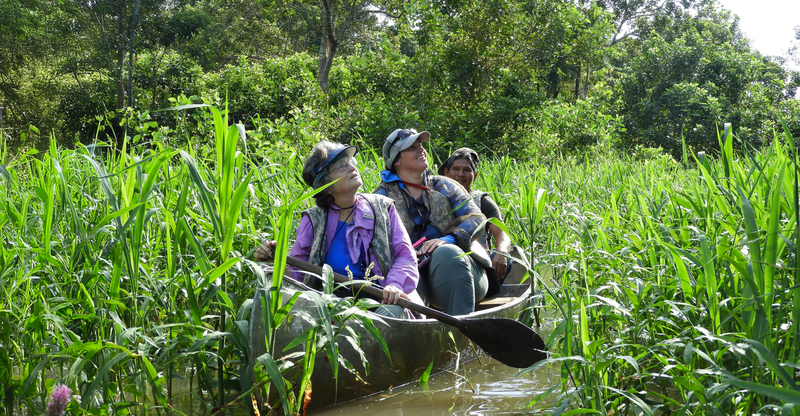
Western Nepal is an emerging destination when it comes to wildlife spotting, and Community Homestay Network, the pioneer of community-led tourism in Nepal, is announcing a new tour taking travelers to this lesser-visited part of the country, simultaneously helping to distribute wealth via tourism, to empower women and youth, and safeguard Indigenous traditions and cultures.
The communities of Bhada and Bardiya in western Nepal are home to the Indigenous Tharu people. This new, multi-day itinerary – Live the Tharu Way: Journey through Culture, Wildlife and Rural Life – is available to book now, and as well as wildlife spotting in remote areas, travelers will be hosted by local families at homestays as they are introduced to their way of rural life.
Shiva Dhakal, the founder of Community Homestay Network, which was this year named one of TIME’s ‘World’s Greatest Places of 2025’ – says community tourism is a powerful force that goes well beyond travel.
“This new itinerary epitomizes what Community Homestay Network stands for. At a time where overtourism is a real concern, there are places that can benefit greatly from having a well-managed number of travelers visit. Our homestays and other experiences offer visitors a two-way exchange, building meaningful connections between travelers and local people.
“Both Bhada and Bardiya in western Nepal see very few tourists, making them an exciting alternative for wildlife-spotting to more well-known Chitwan, with Bardiya very much still opening up to tourism.
“As well as having a special wildlife and cultural experience, this itinerary will help to preserve the traditions that are so unique to the Tharu people. Community tourism empowers women and youth in terms of employment, brings money into the local community’s economy, and helps mitigate urban migration as more jobs are created,” says Dhakal.
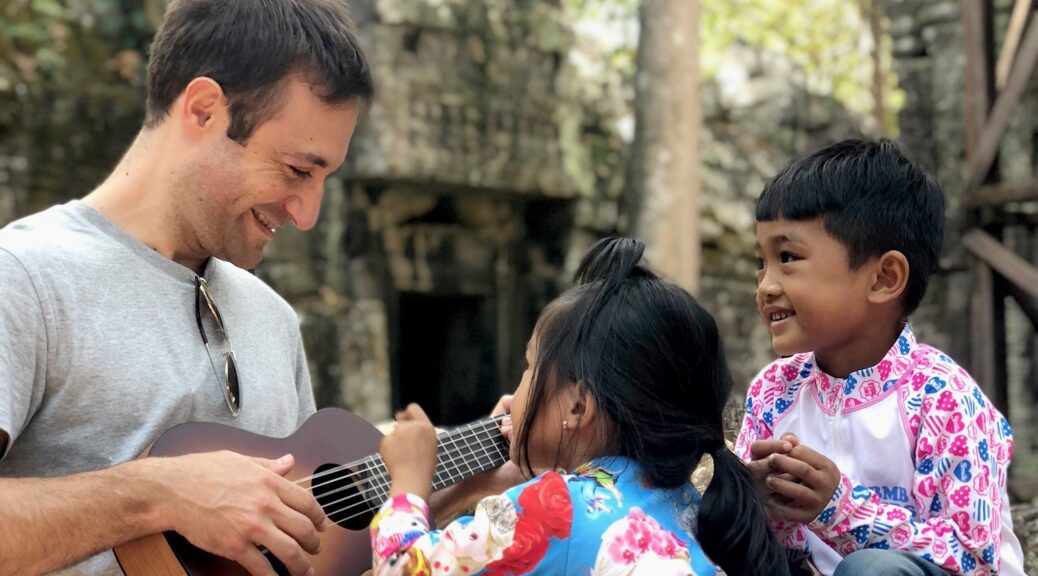
Spending time with the Indigenous Tharu people. The Tharu originated in India centuries ago, and now have traditions, language and cuisine that resemble both hill Nepali and North Indian cultures.
Experiencing local community life, cooking classes and culture at the Bhada Community Homestay and Bardiya Community Homestay in western Nepal.
Going wildlife spotting on a Jeep safari in Bardiya National Park, searching for elephants, rhinoceros and the elusive Bengal tiger.
Locally owned and operated, Community Homestay Network was developed to bring tourism to Nepal responsibly and sustainably, and to encourage entrepreneurship in local communities significantly benefitting women, youths, and marginalized communities while safeguarding local culture and tradition. With a strong focus on co-creation, Community Homestay Network (CHN) collaborates with 50 communities across Nepal, actively engaging local residents to assist in developing and managing their tourism services. Locally owned and operated, the award-winning Community Homestay Network currently has 50 different experiences available for travelers to book, made up of 40 community homestays and 10 experiences focussed on spending time with local artisans. This year, Community Homestay Network was named as one of TIME’s ‘World’s Greatest Places of 2025’.
The American Society of Travel Advisors, a leading travel trade association, is urging the Trump Administration to reconsider its travel bans.
“Every administration has the responsibility to protect national security, and that duty should never be taken lightly,” stated ASTA President & CEO Zane Kerby. “But sweeping, country-wide travel bans are a blunt instrument accompanied by sweeping, unintended consequences—hindering legitimate business, discouraging visitors who strengthen our economy while simultaneously discouraging Americans from traveling abroad.
“Travel bans, and simply the threat of such bans, don’t just disrupt inbound travel, they risk diplomatic strain and create uncertainty that ripples throughout the travel industry. That uncertainty harms the businesses of our travel advisor members, 98 percent of which are small businesses comprising an essential piece of the U.S. economy.
“ASTA acknowledges the real need for effective visa compliance and traveler vetting, and we hope our leaders will work collaboratively with the nations involved to resolve those issues without cutting off entire populations. We urge U.S. policymakers to pursue balanced, thoughtful solutions that uphold both our safety and our ideals while allowing the travel industry to thrive in an increasingly competitive environment.
“Safe and secure travel is not just good policy. It is the foundation of international cooperation, economic growth and mutual understanding.”
On June 17, 2025, the Administration demanded action from 36 additional countries within 60 days to avoid a potential “travel ban” enacted by the U.S. government. This follows a full ban on 12 countries and restrictions on seven others, effective June 9.
The full list contains numerous destinations important both for leisure and business travel. Travel bans are intended to impact those coming in—but can trigger reciprocal restrictions, meaning U.S. citizens may find themselves unwelcome abroad. Even without formal retaliation, these actions can make Americans hesitant to travel to targeted countries, chilling outbound demand and complicating global travel planning.
ASTA fundamentally believes that the U.S. government has both a right and obligation to keep our country safe, but also that safe and secure travel are foundational to the world and the U.S. travel industry.
ASTA strongly restates this position and encourages policymakers to seek solutions that balance security with the fundamental rewards of travel—understanding, cultural exchange and economic growth.
The U.S. travel industry contributed $2.6 trillion to the economy last year and supported more than 20 million jobs. It also contributed more than $585 billion in tax revenue. As of May, before the latest round of tariffs and travel bans, Trump’s actions were estimated to cost $13 billion in lost receipts from international visitors.
Travel Advisors Signal Growing Concern Amid Shifting International Travel Landscape
Meanwhile, ASTA released findings from its June 2025 follow-up survey of U.S. travel advisors, highlighting a noticeable shift in sentiment and business strategies compared to similar data gathered in March 2025. The surveys explored the impact of recent federal executive actions, travel bans and tariffs on the travel industry.
“Our members expressed their views plainly in our most recent national survey,” said Zane Kerby, ASTA President and CEO. “They are seeing hesitation in their clients, cancellations in their bookings and fear in their conversations. They are shouldering the burden of misinformation and working overtime to educate and protect the travelers who count on them most. For some, business is still thriving. For others, survival demands a pivot toward new markets, safer regions, more flexible pricing and above all, clear-eyed strategy.”
The full results of the survey are proprietary and an ASTA Premium Member benefit along with an accompanying white paper compiled by ASTA staff. The efforts are intended to help guide industry leaders during this time of uncertainty.
“In the travel industry, uncertainty is poison,” Kerby said. “We know that when consumers feel unsure about the state of the economy, about global conflict, about whether they’ll be welcome at their destination—they pause. They wait. Sometimes, they cancel their travel plans altogether. In that moment, our members who are the backbone of the travel economy pay the price.”
Survey results show a moderate but clear downward shift in consumer demand between March and June. While the proportion of agencies reporting a significant drop in demand held steady, those noting a slight decrease rose from 32.5% to 38.8%. This reflects a broadening impact across consumer segments.
The perception of policy-driven disruption also intensified. In June, more advisors pointed to both tariffs (27.9%) and travel bans (12.4%) as key factors affecting their business, up from 23.1% and 8.3%, respectively, in March.
Postponements of international travel climbed to nearly 59% in June, up from 49% in March. While outright cancellations saw a slight decrease, this shift suggests that while travelers haven’t given up on international trips entirely, they’re increasingly opting to wait and see.
International leisure travel remains the hardest hit segment of advisor business, with 69.2% of advisors citing it as the most affected category—up a striking 9.2 percentage points from March.
Respondents across both surveys voiced concerns over economic instability, misinformation and fears related to international safety and immigration policy. However, tone and urgency shifted notably from March to June. Many advisors are “anxiously reactive,” noting the mounting sense of burnout, client frustration and realignment of business models.
Themes in commentary included concerns about international perception of U.S. travelers, client hesitations rooted in political rhetoric and economic headwinds impacting discretionary spending.
“Looking ahead to the rest of 2025, travel interest is still high, but so are the potential risks and roadblocks,” said Michael Schottey, ASTA Vice President of Membership, Marketing and Communications. “Understanding what’s changing and how agencies are responding is key. ASTA is here to support that process and ensure the travel advisor community stays informed, prepared and connected.”
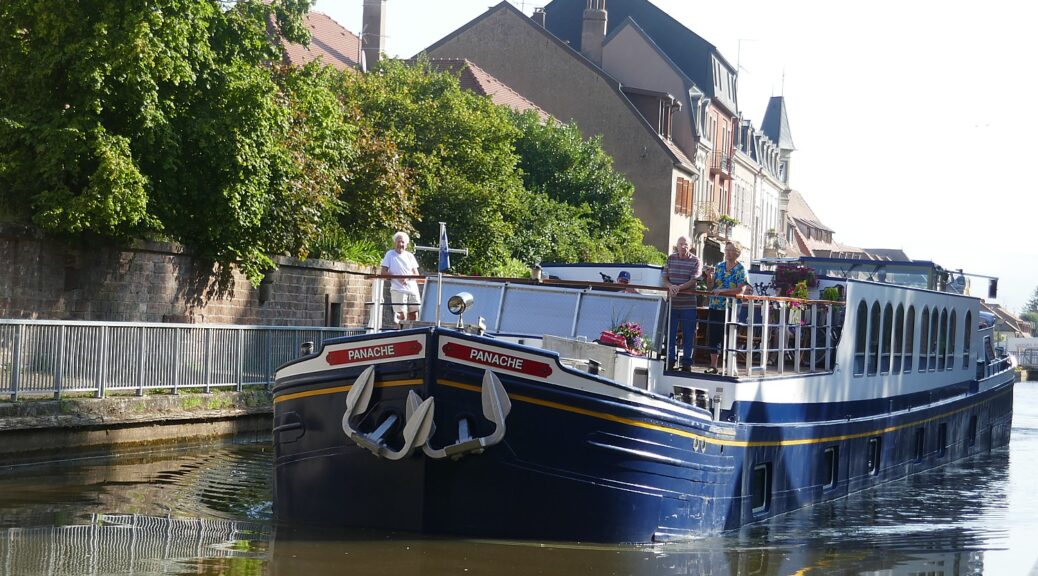
“In 2025, the travel industry is all about mindful travel, personalization, and creating unforgettable experiences,” statesMaryanne Sparkes, Travel Expert at European Waterways highlighting the biggest trends shaping travel demand for 2025. “With more people looking to connect deeply with the places they visit, tourism providers are stepping up with fresh ideas to match these changing expectations.”
Maryanne flags that mindful tourism will definitely take centerstage in 2025: “Sustainability is no longer just a buzzword—it’s become essential in travel. We’re seeing airlines investing in sustainable fuels and working to offset their carbon emissions, which is such an important step. Hotels are also stepping up, with more achieving certifications like LEED and Green Globe, and even entire ‘green resorts’ running on renewable energy while promoting eco-friendly practices.”
“Another big shift is in how people travel. Slow travel is really taking off, with more people choosing longer stays in fewer places to not only reduce their environmental impact but also to truly connect with the local culture. It’s about making travel more meaningful for everyone involved,” she adds.
In addition to this, she also suggests that there will be a rise of boutique and off-the-beaten-path destinations: “With over-tourism putting pressure on major cities, travellers are increasingly turning to lesser-known destinations for more authentic and mindful experiences,” says Maryanne Sparkes. “Places like Albania, Greenland, and Uzbekistan are really having a moment. People are drawn to their raw beauty, unique cultures, and opportunities for immersive, local-focused tourism—whether it’s farm-to-table dining, craft workshops, or guided tours by locals.”.
Sparkes highlights the growing trend of seasonal flexibility as well. “Travellers are also exploring destinations in the off-season, which not only avoids the crowds but often comes with lower costs and a deeper connection to the place.”
The Scottish Highlands, UK: “There’s something magical about experiencing the Highlands by water,” Sparkes shares. “Luxury barge cruises along the Caledonian Canal combine breathtaking views, whisky tastings, and Scotland’s rugged beauty—all from the comfort of a floating boutique hotel.”
The Loire Valley, France: “The Loire Valley is like stepping into a storybook,” Sparkes says. “River cruises along the River Cher reveal enchanting castles, medieval villages, and a history that’s impossible to replicate. Known as ‘The Valley of the Kings of France,’ it’s the perfect destination for those who love history, elegance and cultural depth.”
As Sparkes points out, European Waterways offers an exclusive hotel barge experience in the Loire Valley. “It’s not just about sightseeing—it’s about true immersion. Guests can wander centuries-old streets, explore vibrant markets, and sample local delicacies like world-famous goat cheese and fine wines.”
Croatia’s Dalmatian Coast: “Boutique cruises are making Croatia’s Dalmatian Coast even more accessible,” Sparkes adds. “Hidden gems like Vis and Lastovo are ideal for travellers seeking untouched beaches and vibrant local culture. It’s a seafood lover’s paradise and a dream for anyone chasing authenticity.”
Another trend that Maryanne suggests will escalate in 2025 is advances in technology: “Technology is transforming every part of the travel experience, making it smoother, smarter, and more connected,” says Maryanne Sparkes. “Biometric check-ins and digital wallets are taking the hassle out of airports, letting travellers focus on the journey rather than the logistics.
“Even luggage is getting an upgrade—GPS tracking, self-weighing features, and built-in charging ports are becoming the norm, which is a game-changer for peace of mind and convenience,” she adds.
Sparkes also highlights how technology is breaking down cultural barriers. “Real-time AI translation tools are a huge leap forward. They make it so much easier to connect with locals, whether you’re ordering a meal, asking for directions, or just having a chat. It adds a whole new layer of richness to the travel experience.”
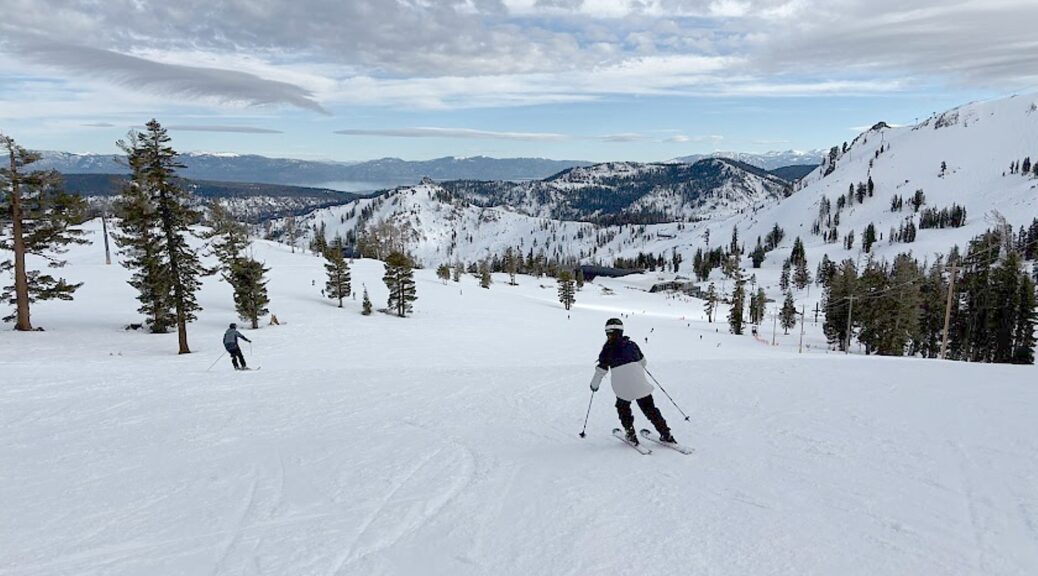
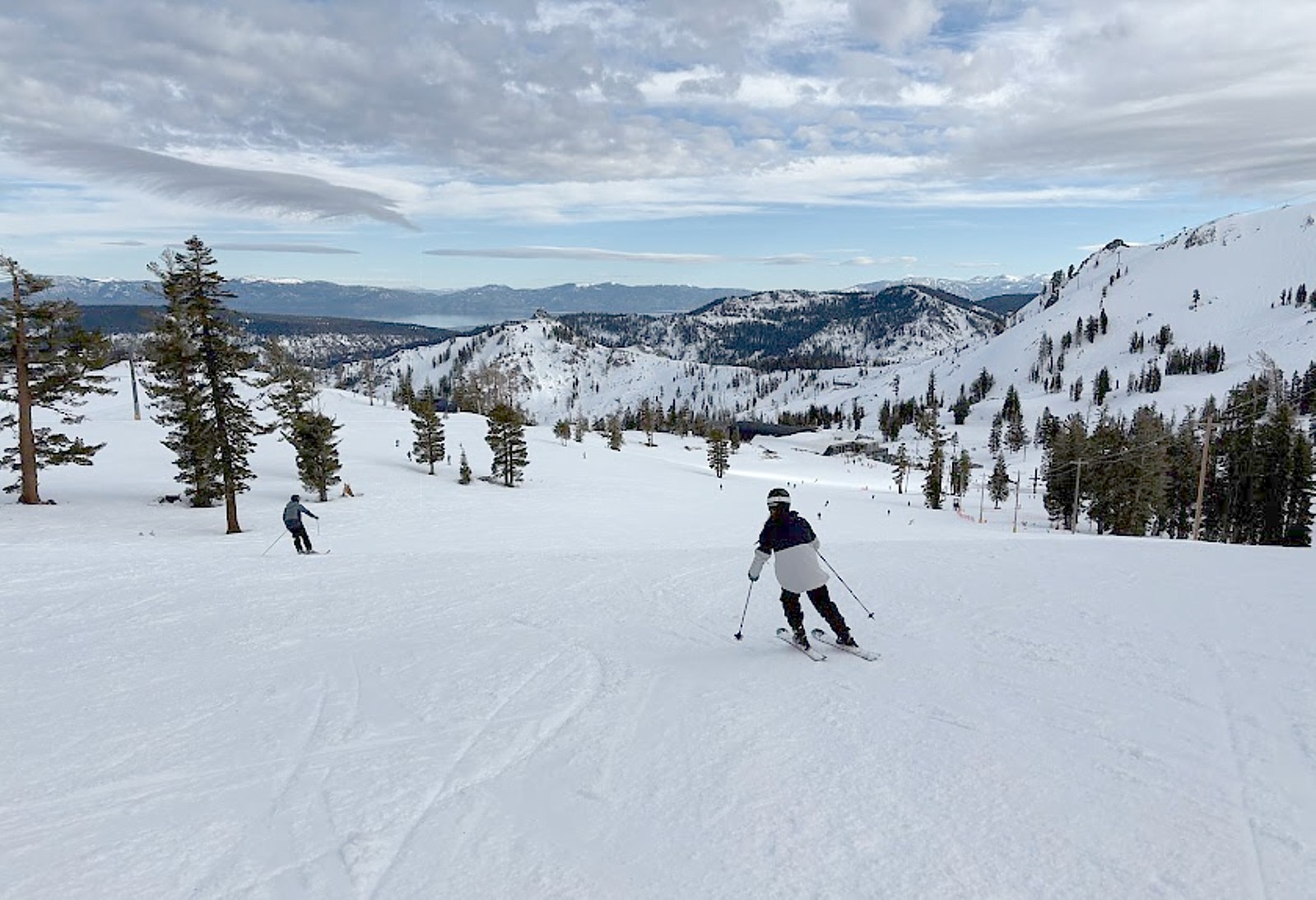
Olympic Valley, Calif.— From January 18 to 20, 2025, skiers and snowboarders at Palisades Tahoe are making a difference while enjoying the slopes. During this special three-day event, $99 lift tickets will be available, with 100% of ticket sales going to support Southern California fire relief efforts in partnership with the California Fire Foundation.
Palisades Tahoe, together with Alterra Mountain Company, is amplifying the impact by matching donations dollar-for-dollar, up to $100,000 each. This means that every $99 ticket sold will triple in value, directly helping families and communities rebuild after devastating wildfires.
Ticket Options:
Ikon Base Pass & Session Pass Holders: Purchase $99 all-day lift tickets on January 18 and 19—a great way to ski during the Martin Luther King Jr. holiday blackout dates.
Afternoon Tickets: $99 tickets for all ages, valid from 1 PM to 4 PM, available January 18 through 20.
Tickets can be purchased in person at Palisades Tahoe ticket counters.
“This initiative embodies our commitment to giving back,” said Patrick Lacey, PR Manager of Palisades Tahoe. “By partnering with the California Fire Foundation and offering this opportunity to our guests, we’re proud to support relief efforts that will help rebuild lives and strengthen communities impacted by wildfires.”
The California Fire Foundation provides critical support to fire victims, firefighters, and their families. Proceeds from this fundraiser will aid in providing emergency assistance, funding community rebuilding projects, and offering long-term support to those in need.
Make Your Ski Day Count: Grab your gear, hit the slopes, and give back to those affected by wildfires in Southern California. Every turn you take on the mountain will help families and communities recover and thrive.
For more information, visit www.palisadestahoe.com/relief.
Now celebrating its 75th anniversary, marking decades of innovation, history, and legendary mountain experiences, Palisades Tahoe® has been recognized by the Wall Street Journal as the best ski resort in the United States. As Lake Tahoe’s largest premier resort destination, it spans 6,000 skiable acres across eight peaks, connected by the iconic Base to Base Gondola. Renowned for hosting the 1960 Winter Games and being home to Olympic and World Cup athletes, Palisades Tahoe averages 400 inches of annual snowfall, offering Lake Tahoe’s longest ski season. Dubbed the Spring Skiing Capital®, the resort keeps its slopes open through Memorial Day. The Village at Palisades Tahoe is a vibrant year-round hub for events, dining, and shopping. Skiers and riders can explore Palisades Tahoe and beyond with the Ikon Pass, which provides access to over 50+ top ski destinations.
Visit Palisades Tahoe’s website or call 800.403-0206.
More than 100,000 low- or no-cost tickets have been made available by Broadway and Off-Broadway productions participating in the NYC Musical and Theatrical Production Tax Credit. The deeply discounted tickets, which can be as little as $20, were sold to members of the community who might not otherwise have had the opportunity to experience a Broadway or Off-Broadway show. There are over 90 plays and musicals participating in the program that represent at least $1.7 billion in spending and more than 11,000 hires.
“New York is hitting a blockbuster milestone, with top Broadway and Off-Broadway productions making more than 100,000 discounted tickets available to New Yorkers,” Governor Kathy Hochul said. “Broadway is central to New York’s identity as a global hub for arts and culture, and my Administration will continue supporting this industry through the transformative New York City Musical & Theatrical Production Tax Credit.”
Empire State Development President, CEO and Commissioner Hope Knight said, “The arts in New York State, especially our Broadway and Off-Broadway productions, are one of our biggest assets, and one that every New Yorker should be able to experience. Today, we give our regards to Broadway, and the partnerships that have allowed us to reach this exciting milestone.”
Under the NYC Musical & Theatrical Production Tax Credit, Broadway and Off-Broadway productions are required to create and implement a plan to ensure that their production is available and accessible for low-or no-cost to low-income New Yorkers. Productions may work directly with the State to identify community-based organizations or educational institutions serving low-income residents in the New York City, Long Island and Mid-Hudson regions to distribute tickets or work with a third-party partner, such as the Theatre Development Fund, which in turn provides low- or no-cost tickets to students, veterans, senior citizens, individuals with disabilities, and other groups.
In addition to making tickets more accessible, productions participating in the program are required to participate in a New York State-approved diversity and arts job training program. Productions may work with pre-approved formalized fellowship programs from The Theatre Leadership Project or the Black Theatre Coalition or create a self-operated fellowship program for individuals from diverse backgrounds to learn to work in the theater industry. Through this requirement, 75 fellows from underrepresented communities have been employed on productions.
As part of the FY 2024 New York State Budget, Governor Hochul secured a major expansion of the New York City Musical & Theatrical Tax Credit program to include Off-Broadway productions, which are major contributors to New York’s live entertainment economy.
Governor Hochul remains committed to supporting New York’s performing arts sector – a critical part of economic and cultural life in New York and a key driver of tourism across the state. Over the past year, Governor Hochul has awarded nearly $210 million in grants for non-profit cultural organizations through the New York State Council for the Arts thanks to unprecedented funding secured in the State budget. Since April, Governor Hochul has announced a total of $132 million in capital grants for New York arts organizations to fund critical projects that strengthen the State’s diverse creative sector, including over $90 million to support large-scale projects that prioritize community development and placemaking. Governor Hochul also awarded an additional $76 million in non-capital grants through the FY2023 Budget that provided flexible funding to nearly 3,000 cultural organizations and individual artists. NYSCA is currently accepting applications for its FY 2024 Capital Projects Fund, and will announce nearly $120 million in FY2024 grants over the next year.
Governor Hochul also maintains a strong commitment to building New York’s thriving tourism industry following her announcement that the state welcomed an historic 291.5 million visitors generating more than $78.6 billion in direct spending in 2022. The Governor announced a $450 million “Bring Back Tourism, Bring Back Jobs” Recovery Package to support industries hit hardest by the COVID-19 pandemic like the performing arts and revitalize tourism statewide. The package included: a $200 million Seed Funding Grant; a $100 million Tourism Worker Recovery Fund; a $100 million Tourism Return-to-Work Grant Program; a $25 Million Meet in New York Grant; and a $25 million I LOVE NY Global Marketing Campaign.
TDF’s Managing Director Michael Naumann said,“It has been an honor to develop the TDF Passport Series through the New York City Musical & Theatrical Production Tax Credit program with Governor Hochul and Empire State Development. It is TDF’s mission to make the theatre accessible to everyone and build new audiences. This program does just that – it allows New Yorkers, most of whom are first-time theatregoers who could not afford to attend Broadway and Off Broadway, to finally get the chance to enjoy live performance.”
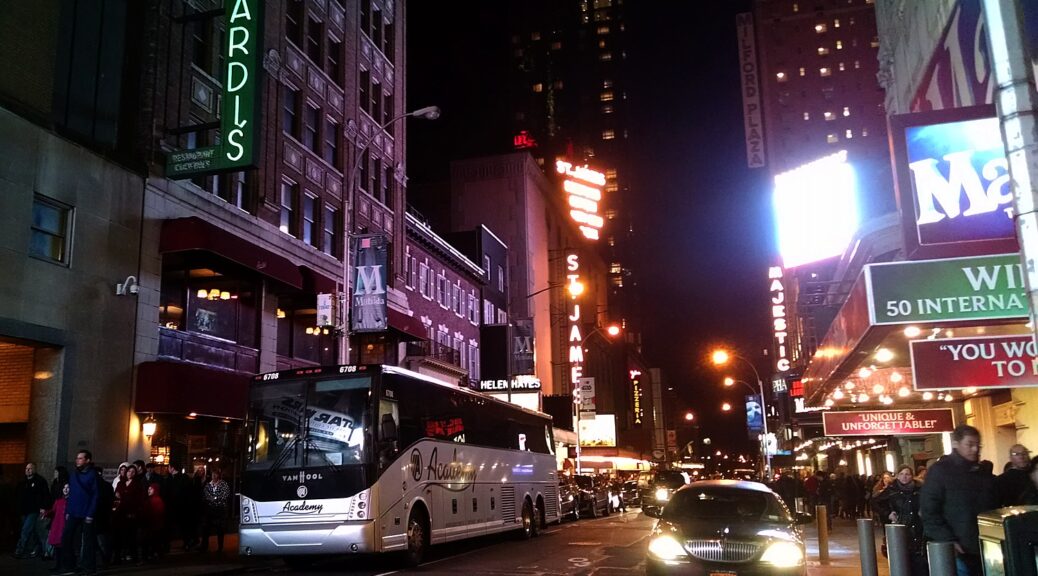
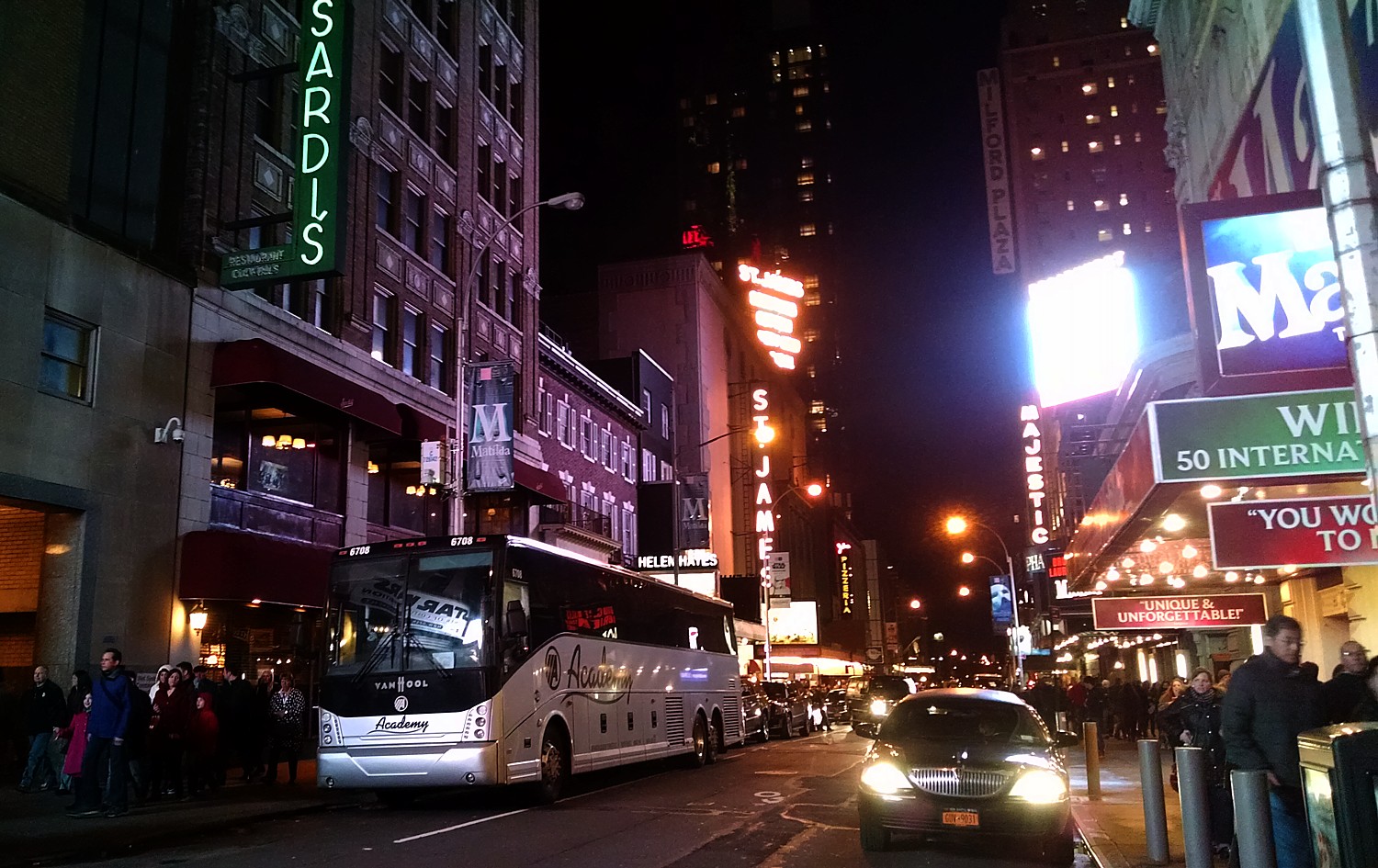
“Governor Hochul is Broadway’s best partner in working to drive economic development while also diversifying our audiences and workforce,” The Broadway League President Charlotte St. Martin said. “As we continue to bring tourists back to Broadway, we are including more members of our community in the audience and working backstage. Governor Hochul’s efforts, in partnership with the Senate and Assembly, have resulted in in our shows providing more than 100,000 low- or no-cost tickets to New Yorkers while also creating 75 diverse fellowships on Broadway. We could not be prouder of this effective and balanced effort by our Governor.”
Bespoke travel specialist Audley Travel firmly believes that carefully planned travel creates local jobs, supports conservation projects and shares stories – which all contribute to memorable travel experiences for clients.
Audley’s Environmental Social Governance (ESG) Framework (launched in 2021) has guided many of the business’ actions in the past year – and will continue to do so. Audley was delighted to receive the silver World Responsible Tourism Award for Decarbonising Travel & Tourism at the end of 2022, which acknowledged its efforts to reduce carbon emissions.
Audley’s ESG Framework
The ESG Framework identifies five key areas (the environment, workplace, communities, market place and governance) in which the business has set 36 goals and annual targets which are either aligned to the UN Sustainable Development Goals or with Audley’s internal priorities. The targets form a long-term journey where small sustainable steps over extended periods of time continue to deliver change to benefit the communities in Audley’s destinations.
2022 progress
Building on 2021’s achievements, Audley has made strong progress against its 2022 ESG targets with 33 of the 36 met, and the remaining three being a continued focus for 2023. Highlights of the achievements include:
Responsibleproduct – Audley continued to review its offering to identify sustainable product that goes beyond above and beyond to give back to local communities and the environment, with 133 additional accommodation and experiences meeting the operator’s assessment criteria and having a particularly positive impact (taking the total to 158). Audley’s goal is to use this work to offer clients more sustainable choices to make the most of the positive impact they have when they travel.
Employee volunteering – Employees dedicated over 2,296 hours to volunteering in 2022 with 57 per cent of staff donating at least half a day (exceeding the target of 40 per cent).
Insight – As part of its commitment to a goal to support education for all, Audley’s Insight initiative uses the knowledge of employees and suppliers to support young people exploring career opportunities in the travel industry. Two sessions were run in Boston as well as two in London and one in Witney (UK) as reaching 112 students from populations historically shut out of the industry.
Long term carbon strategy – Audley’s long term carbon reduction work continues, with the operator taking on its biggest challenge yet: calculating the carbon footprints of clients’ trips. The bespoke nature of Audley’s trips meant this wasn’t an easy task. Working closely with carbon reduction consultant, ecollective, Audley calculated that 98.4 percent of its total carbon footprint comes from Scope 3 emissions and roughly 90 percent of total emissions come from client travel. With ecollective’s support, Audley has identified ways to reduce emissions with a goal of reducing the carbon footprint of an Audley trip on a per person, per night basis. Audley has also submitted carbon reduction targets to the Science Based Targets initiative (SBTi).
Heather Magnussen, Responsible Travel & Sustainability Manager at Audley Travel, says: “Responsible travel has always been part of Audley’s DNA and we remain committed to preserving and restoring the environments and communities our clients visit. This is a long-term journey for us and we will continue to develop and build on the progress made so far throughout this next year, and beyond.”
The Grand Canyon Railway is using recycled waste vegetable oil as fuel on No. 4960, a steam engine built in 1923. On select days from now through October, this massive steam engine will pull the daily train running from Williams, AZ to South Rim, Grand Canyon.
WILLIAMS, ARIZONA, April 2022 – It sounds counter-intuitive: a 100-year-old steam engine will chug into Grand Canyon National Park to celebrate Earth Day on Saturday, April 22, 2023, but it will showcase how ingenuity can thrive for future generations. The Grand Canyon Railway (GCR) may be the last daily standard gauge U.S. railroad to run steam engines in scheduled regular service – a rare sight and sound to behold.
The Grand Canyon Railway (GCR) is using recycled waste vegetable oil as fuel on No. 4960, a steam engine built in 1923. On select days from now through October, this massive steam engine will pull the daily train running from Williams, AZ to South Rim, Grand Canyon and at no extra cost to the passengers and guests. What saved it from static museum display? Waste vegetable oil (think oil used for French fries and chicken wings and fried shrimp). While such a diet may not be beneficial to the health of most of us, not only does the nearly century old engine run better, but by using recycled fuel (and captured snow melt for water in the boiler where possible) the great machine has a neutral carbon footprint.
As a matter of fact, it is estimated that the Grand Canyon Railway, built and running since 1901, reduces the number of cars in the national park to the tune of around 70,000 per year. Now we’re talking double green vision.
The other ingredient is good old-fashioned ingenuity inspired by the innovation of car mechanics to run vehicles on waste vegetable oil. The Railway strives to utilize biodegradable lubricants on the steam engines wherever possible. GCR is also the first tourism railway in the US to receive ISO 14001 third-party certification of its environmental management system.
For more information about the Grand Canyon Railway, visit thetrain.com or call 1-800-843-8724.
An increasingly globalized world needs young leaders who can bridge divides and help solve our biggest challenges together. That’s the basis for the Voyager Scholarship for Public Service, created by Barack and Michelle Obama and Brian Chesky, Airbnb Co-founder and CEO, to help shape such leaders.
“Even though they come from different backgrounds, both the President and Brian believe that exposure to new places and experiences generates understanding, empathy, and cooperation which equips the next generation to create meaningful change.”
The scholarship, provides college students financial aid to alleviate the burden of college debt, meaningful travel experiences to expand their horizons, and a network of mentors and leaders to support them.
The Voyager Scholarship for Public Service is awarded to 100 undergraduates entering their junior year in the United States who are interested in working towards positive change, with a desire to travel and to expand their horizons, who are bridge builders in their community, and eager to learn from others. Applications close on Wednesday, March 22, 2023 at 3 pm CT.
The Voyager Scholarship for Public Service includes:
Up to $50,000 in financial aid: Students will receive up to $25,000 per year in “last dollar” financial aid for their junior and senior years of college. This financial aid should alleviate the burden of college debt so that students can afford to pursue a career in public service.
Summer Voyage: Students will receive a $10,000 stipend and Airbnb travel credit to pursue a summer work-travel experience between their junior and senior year of college. The students will design their own Summer Voyage to gain exposure to new communities and experience in a chosen field.
Fall summit: Each fall, students will be invited to a summit to help define and inspire their public service journey.
Network of leaders: Throughout the program, students will be invited to an ongoing speaker series, giving them access to a network of leaders. This network of leaders will expose them to new areas of service and innovations happening in their fields. After graduation, they will join the Obama Foundation’s global community, providing them with Foundation resources and programming.
10-year travel stipend: After graduation, Airbnb will provide the students with a $2,000 travel credit every year for 10 years, totaling $20,000. This will allow students to continue to broaden their horizons and forge new connections throughout their public service careers.
This week, New York State’s Olympic facilities at Lake Placid are hosting the FISU World University Games, welcoming 1,443 collegiate-athletes plus coaches and fans from more than 540 universities and 46 nations.
The Lake Placid 2023 FISU Games, going on until January 22, feature competition in 12 winter sports and 85 events including skiing and snowboarding, curling, figure skating, ice hockey and speed skating in venues throughout the Adirondack North Country in Lake Placid as well as Wilmington, Saranac Lake, Potsdam, Canton and North Creek. (The competition schedule and tickets to the events are available here.)
The prestigious event is an opportunity to showcase for the world the state’s world-class Olympic Regional Development Authority (ORDA) facilities, enhanced with a six-year, $552 million investment to help maintain the region’s standing as a world-class winter sport destination fitting for an Olympic-sized event, for the lasting benefit of New York’s $16.1 billion winter tourism industry.
“We made transformative investments to renovate the Lake Placid Olympic Center, revitalized our airports, improved our roads and bridges and grew our regional sports infrastructure to ensure that Lake Placid is well-positioned to host the games,” Governor Kathy Hochul said when she opened the games.
“The event will once again put Lake Placid on a global stage, drawing thousands of visitors to the region and inviting millions more to watch the games via ESPN in the United States, TSN in Canada and FISU TV. For many, it will be the first time they’ll see the bold and picturesque Adirondack Mountains, vibrant downtown Lake Placid and our world-class Olympic Regional Development Authority ski areas and venues. And these games offer a chance to showcase the New York’s thriving winter tourism industry.”
Special events like the games that spark additional travel generate even more spending in our restaurants, hotels and businesses, supporting jobs in a hospitality industry still rebuilding in the wake of the COVID-19 pandemic. State-supported ORDA venues are open year-round for events, athlete training and recreation. Once the World University Games have finished, these same facilities will host this winter season the World Cup in Ski Jumping, NCAA Alpine and Cross-Country Skiing Championships, Synchronized Figure Skating World Championships. The Bobsled Skeleton World Championships will follow in February 2025, and IBU Biathlon Cups are planned in February and March 2026.
Last winter, New York welcomed 68.5 million visitors, generating more than $16.1 billion in direct visitor spending. ORDA’s economic impact for New York State was last measured at $273.6 million for 2019-2020, a 75 percent increase over the previous 2016-2017 measurement of $156 million.
New York State has made significant investments in the North Country totaling $552 million over the last six years in preparation for the World University Games, and ongoing support for the competitive sports infrastructure and regional tourism. Investments have helped to renovate facilities owned and operated by the Olympic Regional Development Authority, such as the $104 million renovation of the Lake Placid Olympic Center, and other host facilities like the nearly $7 million overhaul of the Saranac Lake Civic Center.
The improvements are a legacy that will be enjoyed by New York’s skiers and winter visitors for years to come.
ORDA has been steadily improving the snowmaking infrastructure throughout its ski areas, particularly over the last ten years. These upgrades have increased the efficiency of snowmaking operations, allowing for the mountains to open terrain faster, and earlier in the season when temperatures allow. The modernized systems, which utilize energy more effectively, also are a key part of ORDA’s award-winning sustainability initiatives: solar energy at the alpine venues, state of the art snowmaking equipment that significantly reduces water and energy use, EV charging stations, e-zambonis and hybrid grooming equipment, LED lighting.
Indeed, in conjunction with the FISU Games, a World Conference was convened to share information about the initiatives and actions they have implemented to mitigate climate change and save winter from global warming. From venue design and infrastructure to sustainably sourced items to the LED torch and flameless cauldron, the Host Partners and New York State set a new standard for a commitment to the environment for future events.
Improved Winter Facilities at ORDA Venues
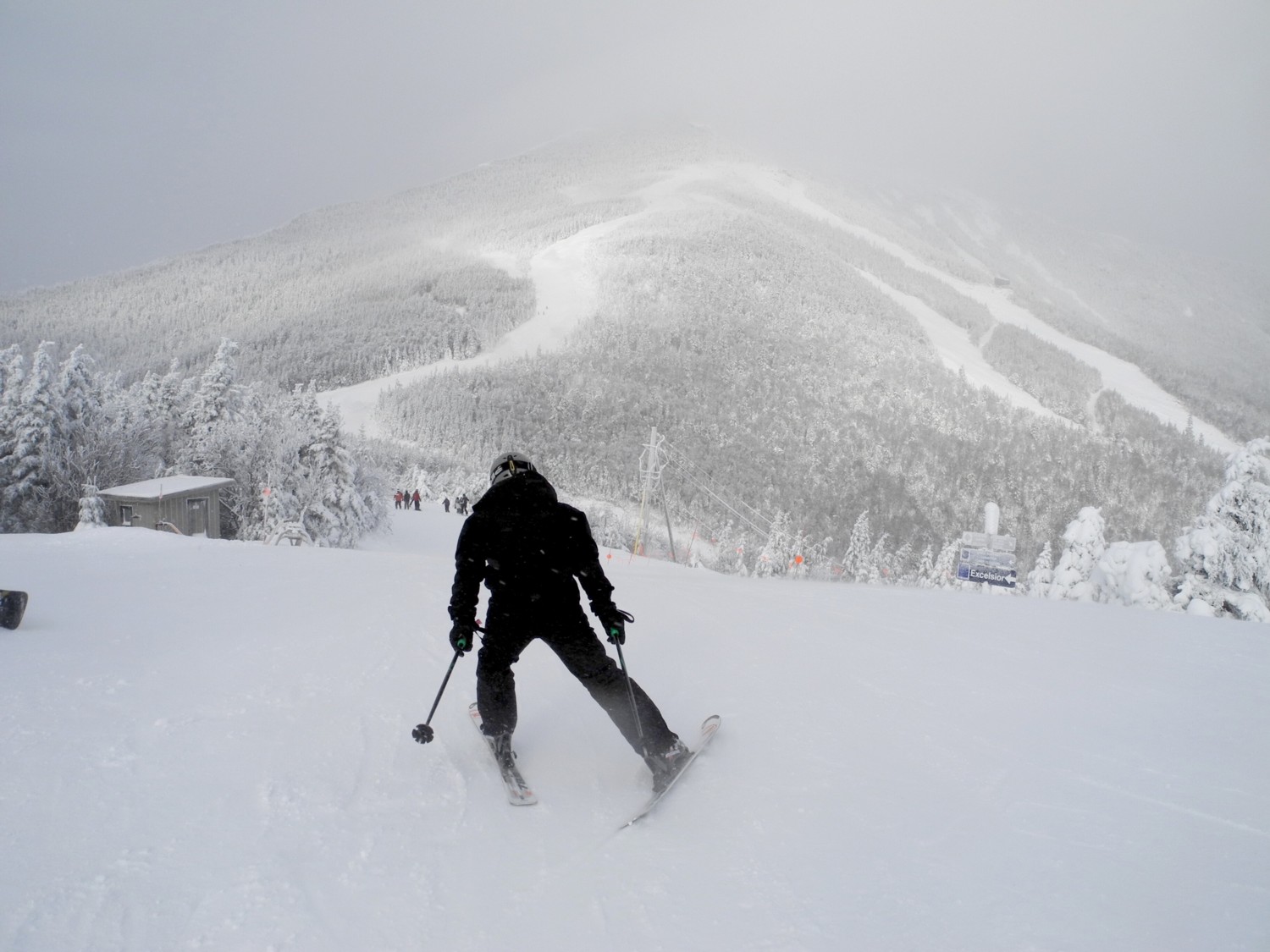
This winter, New Yorkers and the rest of the world will enjoy upgrades, renovations, snowmaking improvements to Olympic Regional Development Authority-operated ski venues: Gore Mountain in North Creek, Belleayre Mount in Highmount, Whiteface Mountain in Wilmington, and Mt. Van Hoevenberg in Lake Placid.
Gore Mountain: New this season is Backwoods, an intermediate trail that begins at the top of Burnt Ridge Mountain and parallels the Barkeater Glades. The trail ends uphill of Roaring Brook Bridge and provides faster and more direct access to Little Gore Mountain and the North Creek Ski Bowl. Over 230 new high-efficiency snow guns have been installed on Backwoods, Showcase, Uncas, Paradox, Peaceful Valley, and Chatiemac. For the FISU Games, crews developed the sanctioned slopestyle and boardercross courses, enhanced snowmaking and widened the terrain. The FIS-certified race trail, Echo, was also bolstered with increased snowmaking capacity to accommodate the venue’s busy calendar of alpine events and recreational skiers and riders throughout the season. (goremountain.com, Gore Mountain Snow Report)
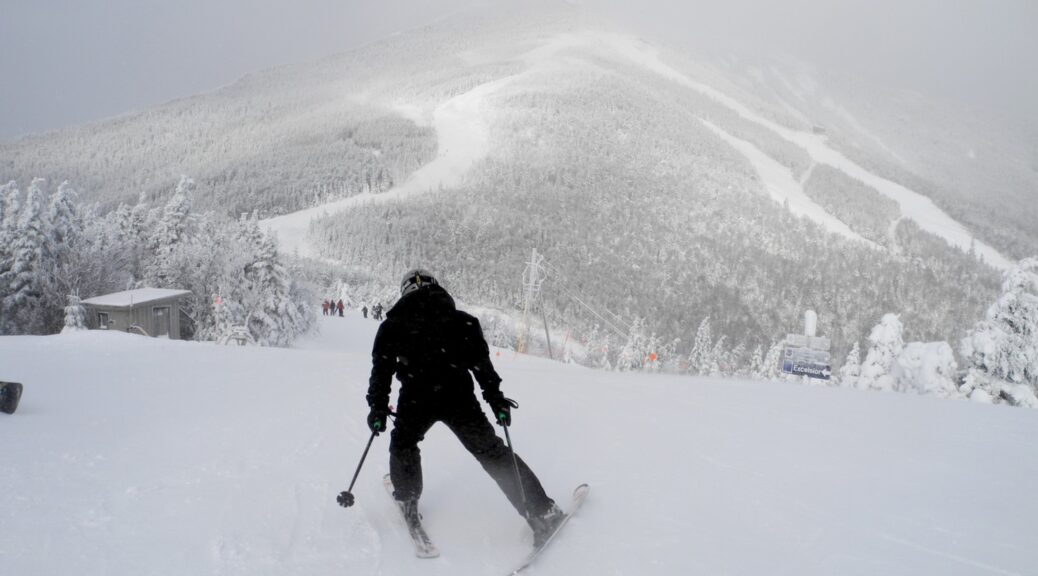
Whiteface Mountain: New this season is the Ausable Run, a beginner trail off the Warhorse Quad lift, and Yellow Dot, an expert trail connecting the top of Victoria to Lower Skyward. Whiteface installed 35,000 feet of new pipe, 160 high-efficiency snow guns, and 245 new hydrants. Additionally, two new Pisten Bully groomers join the fleet. After hosting Lake Placid 2023 FISU Winter World University Games alpine competitions, Whiteface will host the NCAA Regionals and National Championship in Alpine, the Empire State Games and other regional races. The mountain will be open to the public during the event dates for skiing and riding, and spectators can view the events in the newly designed Andrew Weibrecht Finish Area. Additional improvements to the race area include enhancements to the Freeway lift, timing and radio systems, and power to the finish building. (whiteface.com, Whiteface Mountain Snow Report)
Belleayre Mountain installed 60,000 additional feet of new pipe, a new snowmaking pump, and added 300 high-efficiency snow guns. A new retail space relocated upstairs on the main floor of Discovery Lodge provides guests with a renewed shopping experience with a view. (belleayre.com, Belleayre Mountain Snow Report.
Mt. Van Hoevenberg: The Mt Van Hoevenberg transformation was completed in 2020, providing a world-class facility and 5 km of World Championship-rated cross-country skiing trails for training and racing. The trails carry tremendous snowmaking power, from the number of high-efficiency snow guns and hydrants to its reservoir capacity, providing state-of-the-art snowmaking for a Nordic Center. Thanks to the state’s investment ORDA will host multiple World Cup competitions. Recently, Mt Van Hoevenberg was awarded the International Biathlon Union (IBU) Cup for 2026. This is in addition to the International Bobsled and Skeleton Federation (IBSF) World Cup in Bobsled and Skeleton taking place at the Mt Van Hoevenberg Sliding Center December 16-18, and at its sister venue, the Olympic Jumping Complex, the FIS Ski Jumping World Cup will return this winter, February 10-12, 2023. For non-competitive athletes, Mt. Van hoevenberg offers some of the most exciting opportunities to feel like an Olympian: a state-of-the-art combined skeleton and bobsled track and North America’s longest mountain coaster, The Cliffside Coaster. 50km of cross country skiing trails, you can even try your hand at the biathalon. There is also a new Mountain Pass Lodge. (mtvanhoevenberg.com, Mt Van Hoevenberg Snow Report)
The SKI3 Season Pass provides the greatest flexibility and savings for skiing and riding at Whiteface, Belleayre, and Gore. Single day tickets are also at the lowest prices of the season and should be purchased in advance to secure desired days this winter.
“Winter is always an amazing time to travel in New York, which has more ski areas than any other state in the nation,” said Empire State Development Vice President and Executive Director of Tourism Ross D. Levi. “ORDA’s world class ski facilities, along with scores of private ski areas across the state, make for an unparalleled ski experience. When paired with activities from snowmobiling and winter carnivals to ice wine tastings and spa getaways to the FISU World University Games, visitors can come be a part of the ultimate winter wonderland and find what they love in New York State.”
Information on skiing and other winter activities statewide is available at iloveny.com/winter and iskiny.com. Updated downhill and cross-country ski reports for all of New York State courtesy of Ski NY and Cross-Country Ski Areas of NY are available on 1-800-ILOVENY and linked on iloveny.com.
BOSTON — Optimism is the keyword for the 2023 travel landscape as travelers embrace more distant experiences compared to 2022. Overseas Adventure Travel (O.A.T.), the leader in personalized small group and solo travel for Americans ages 50 and older, announced its top 4 travel trends for 2023.
“Travelers are showing a high level enthusiasm for life-changing adventures far from home, often on their own,” said Brian FitzGerald, Chief Executive Officer of O.A.T. “It’s a genuine priority for travelers to connect and engage with people from other cultures, and to find ways to give back to communities they visit.”
O.A.T. Top 4 Travel Themes for 2023:
1. Africa – Travel to Africa is seeing a resurgence. Botswana, Morocco, and Egypt top the list of popular 2023 trips at O.A.T. In 2022, travelers were more focused on Europe.
People who dream of visiting Africa — whether on safari on floating down the Nile — continue to make up for time lost due to the pandemic. These motivated travelers don’t want to put off visiting the continent any longer, and their sights are set on 2023.
2. Solos going strong – Women over 50, in particular, are heading out to see the world on their own. According to O.A.T., the number of solo travelers reserving for 2023 is up 24% compared to 2019. Overall, more than 60% of O.A.T. travelers are solos, and the majority are women.
“As a single traveler, you’re driving everything,” said O.A.T. solo traveler Muriel Forster. “That just gives you a great deal of flexibility. I overheard someone say, ‘a once in a lifetime experience.’ I thought, ‘I don’t want this to be once in a lifetime – I want this to be my lifetime!”
Solo travelers are drawn to trips with no single supplement, which can be hundreds or thousands of dollars. O.A.T. offers free single supplements on 92% of its single spaces in 2023.
3. Personalized travel – Travelers want the benefits of expert-led small group tours, but increasingly crave more than a one-size-fits all experience. 2023 will bring continued traveler demand to tailor trips with one’s individual preferences. For example, many travelers prefer to arrive early at a destination before a tour starts so they feel acclimated.
At O.A.T., 87% of travelers personalize their trips by arriving early, staying later, adding a stopover at a popular international city, or combining trips. By comparison, just 75% requested personalization in 2018.
4. Regenerative travel – The idea that tourism should leave a destination better than it was before is gaining ground globally. In a nutshell, regenerative travel improves local economies while preserving local cultures and biodiversity. It benefits local people and allows destinations to improve, all while providing authentic experiences to travelers.
O.A.T., through its Grand Circle Foundation, supports projects focused on water, conservation, and renewable energy in the areas to which the company travels. The Water, Sanitation, Hygiene (W.A.S.H.) initiative helps improve the well-being of local people. Access to safe water, adequate sanitation, and proper hygiene education reduces illness and death, and increases socio-economic development leading to a reduction in poverty. The Foundation supports alternative energy sources to reduce carbon emissions and dependency on fossil fuels. Some schools add solar panels as an alternate source of electricity and to reduce operating expenses. Solar lights from the Foundation replace kerosene, reducing illness from soot and smoke and enabling students to study at night, leading to a better education.
O.A.T. provides travelers over 50 with impactful, intercultural experiences that help change people’s lives. O.A.T. fosters an intimate and accessible experience, with groups limited to 16 travelers (average of 13) by land and 25 (average of 22) by sea.
Established in 1978, Overseas Adventure Travel (O.A.T.) is part of Boston-based Grand Circle Corporation’s family of travel companies, which also include Grand Circle Cruise Line and Grand Circle Travel. In 1992, owners Alan and Harriet Lewis established the nonprofit Grand Circle Foundation to support communities in which Grand Circle works and travels, including some 300 humanitarian, cultural, and educational endeavors worldwide—among them, 100 schools, in 50 countries. The Foundation is an entity of the Alnoba Lewis Family Foundation, which has pledged or donated more than $250 million since 1981.
To learn more about O.A.T., visit www.oattravel.com or call 1-800-955-1925.