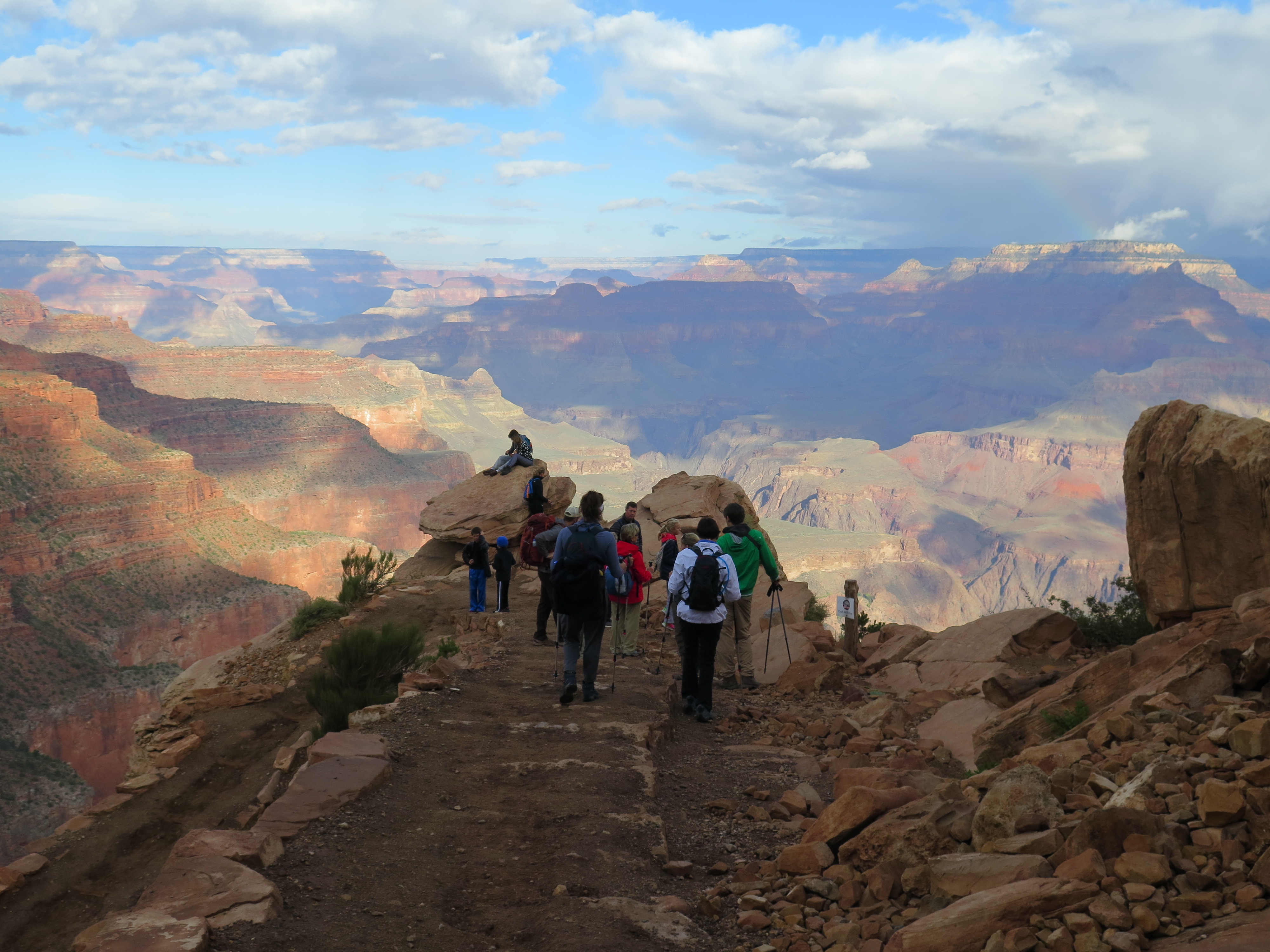
Angels Camp, Calif. — In 2016, OARS is celebrating the 100th anniversary of the National Park Service by teaming up with the National Park Foundation in support of their mission to protect America’s treasured places, connect all people with parks, and inspire the next generation of park stewards. As part of a 3-year agreement, OARS is donating one percent of company sales from most of its national park tours to the National Park Foundation for a minimum of $50,000 through the end of 2016.
Additionally, OARS has committed to an in-kind donation of $95,000 in national park trips to be used in support of National Park Foundation programs, like Open OutDoors for Kids (www.nationalparks.org/ook) to help get underserved youth into parks. This year, the company will take a group of Native American youth on a six-day rafting trip on the Colorado River through Canyonlands National Park and the outfitter has partnered with Grand Teton National Park to get multiple groups of Latino youth out on three-day sea kayaking trips on Jackson Lake.
Also, starting this month, the company is giving away a trip for two each month to one of four national parks, including trips in Canyonlands, Grand Canyon, Yellowstone and Grand Teton, and Yosemite National Parks. The sweepstakes runs for six months leading up to the National Park Centennial on August 25th, 2016. Visit www.oars.com/sharethewonder for complete details.
“OARS believes that America’s national parks provide transformative, life-changing experiences that everyone deserves to have which is why OARS hopes everyone will have a chance to share the wonder of our National Parks and other public lands this year with someone they love.”
Since 1969, when company founder George Wendt established OARS as the first exclusively oar-powered rafting outfitter authorized to run trips in the Grand Canyon, the family-owned company has worked directly with the National Park Service to share the grandest canyon on Earth with tens of thousands of visitors. Since then, OARS has expanded to operate in eight national parks, including Arches and Canyonlands National Parks, Crater Lake National Park, Dinosaur National Monument, Grand Teton National Park,Yellowstone National Park, Yosemite National Park and Grand Canyon National Park.
In a short video, OARS highlights the words of President Theodore Roosevelt: “There can be nothing in the world more beautiful than the Yosemite, the groves of the giant sequoias and redwoods, the Canyon of the Colorado, the Canyon of the Yellowstone, the Three Tetons; and our people should see to it that they are preserved for their children and their children’s children forever, with their majestic beauty all unmarred.” Watch the video here.
OARS is an authorized concessioner of Arches, Canyonlands, Grand Canyon and Grand Teton National Parks, an authorized concessioner in Dinosaur National Monument and operates by special permit in Crater Lake, Yosemite and Yellowstone National Parks. See www.oars.com/national_park_adventures/ for more information.
African Travel, Inc. is supporting National Volunteer Week by providing numerous opportunities for travelers to donate their time, expertise and physical labor to a variety of projects in Cape Town, Livingstone, and Tanzania.
DELRAY BEACH, Fla. – African Travel, Inc. is supporting National Volunteer Week by providing numerous opportunities for guests to invest in Africa’s future. Travelers can donate their time, expertise and physical labor to a variety of projects in Cape Town, Livingstone, and Tanzania while enjoying African Travel’s award-winning collection, named one of Travel + Leisure’s “World’s Best.”
“It’s our ultimate goal to provide our guests with the safari of their dreams while making a meaningful difference in the world,” said Sherwin Banda, president of African Travel. “We love the fact that our travelers want to give back to the communities they visit and leave their own legacy. We are heralding the age of voluntourism.”
National Volunteer Week 2016 will be held from April 10 through 17. African Travel guests can add voluntourism options to many of the existing brochure tours. One day is the most frequently requested addition, but travelers with more time can extend their opportunities.
African Travel also encourages the sustainable development of tourism by partnering with the TreadRight Foundation and supporting projects that benefit the environment, heritage and community of Africa. Other partners include the Amy Biehl Foundation, which contributes to community building programs in Cape Town, and WildAid, whose mission is to end the illegal wildlife trade by shutting down global consumption of wildlife products.
African Travel, Inc. is a 40-year-old safari operator, with operations in Africa and the USA, offering customized and locally-hosted safaris to Africa at all price points. The company’s focus is solely on planning and operating safaris in Africa. We have dedicated, experienced teams in Africa, Safari Specialists in the USA, an extensive transportation fleet, numerous hotels, camps and lodges throughout The Travel Corporation‘s Africa-based associate companies. Refer to www.AfricanTravelInc.com for a wide variety of ideas and safaris.
Created as a joint initiative between The Travel Corporation’s family of brands, The TreadRight Foundation is a not-for-profit working to ensure the environment and communities we visit remain vibrant for generations to come. To date, TreadRight has more than 35 sustainable tourism projects worldwide. The foundation’s guiding principle is to encourage sustainable tourism development through conservation, leadership and support for communities.
TreadRight’s past project partners include WWF, Conservation International and The National Trust in the UK. Current initiatives include sponsoring the National Geographic Society’s inaugural “World Legacy Awards,” helping to combat wildlife crime with WildAid, and empowering individuals with the Alliance for Artisan Enterprise.
To learn more about our past and current work at TreadRight, visit TreadRight.org.
For more information and to book the safari, contact your Travel Professional, call African Travel, Inc. at 800-421-8907, or visit www.africantravelinc.com.
JERUSALEM– The Inbal Jerusalem Hotel, one of the city’s leading deluxe hotels and a destination for many major conference and solidarity missions, has launched a new corporate social responsibility initiative that promotes the good works of local charities. As part of the initiative, the hotel is dedicating its lobby showcases, strategically located between the entrance and the hotel’s restaurants, to displaying the works of local charities.
The first organization to be given the space is Susan’s House, a non-profit organization that empowers teens at risk to find their place in society through artistic expression, personal investment and creative initiative. The showcases feature the beautiful pieces of artwork created by the Susan’s House youth, including delicate glass jewelry and giftware.
“For many years we have rented these showcases to local businesses to sell their wares, but we felt more could be done with the space. This is an exciting opportunity for us to help our local community and to engage our guests in some of the great charitable work that goes on in our city,” said Inbal Jerusalem Hotel Vice-President of Sales and Marketing Alex Herman.
The Inbal Jerusalem Hotel is an award-winning, deluxe hotel situated in the heart of Jerusalem overlooking the Old City walls, and minutes away from all the major cultural and historical sites. With its Jerusalem stone exterior, the 283-room hotel is known for its intimate authentic Jerusalem character and impeccable world-class service. The hotel was recently voted the most luxurious hotel in the TripAdvisor Travelers’ Choice Awards, as well as the best hotel in Israel and fourth best hotel in the entire Middle East by readers of the influential Conde Nast Traveler magazine.
The Inbal Jerusalem Hotel, 3 Jabotinsky Street, Liberty Bell Park, Jerusalem, 92145, www.inbalhotel.com.
SEATTLE, WA, Nov. 18, 2015 – Experiential travel leader Wildland Adventures — along with one of the country’s best-known outdoor retailers, REI – is closing its doors on Black Friday this Thanksgiving holiday and encouraging its staff, friends and family to enjoy the great outdoors for the day while also thinking of others less fortunate.
This year Wildland Adventures is also giving thanks to an alumni traveler and an incredible cause that she has embraced. The company is advocating a Thanksgiving “pay it forward” to assist the fundraising effort of a young Wildland client, Jamie Eisner, age 12, who is half-way toward a $6,500 goal that will help build a well for a school she recently visited on a family safari in Tanzania.
From now until the end of Black Friday (Nov. 28), for every adventure photo posted and tagged, Wildland Adventures will donate $10 – up to $500 — to building the fresh water well for the Mikocheni Primary School. Submissions should be tagged on Instagram, Facebook or Twitter with #OptOutside and #Wildland.
“Before I visited Tanzania, I took for granted that I have easy access to water whenever I want, air conditioning, plenty of food, medicine, a great education, and so much more. The children at Mikocheni have none of this, but we can give them something that would change their lives,” explains Jamie. “With the well, the kids will do better in school because they’ll be less tired and less dehydrated. If they are doing better in school, then they will be more successful when they grow up, and live a better life.”
Approaching its 30th anniversary year, Wildland Adventures has a lot to give thanks for, and when better than at Thanksgiving, said Kurt Kutay, CEO/President, who founded the company with Anne Kutay, Vice President, in 1986. As active managing directors they are continuously refining and evolving their Wild Style of travel.
“The ‘Wild Style’ is based on an ethic of sincerity, compassion and understanding that breaks down barriers of separation to build lasting intercultural, interpersonal, and environmental bonds designed to enhance rather than exploit the people and places where they travel. By fostering genuine connections to create personalized experiences their travelers, Wildland fosters a growing and vibrant community of enlightened and compassionate travelers.”
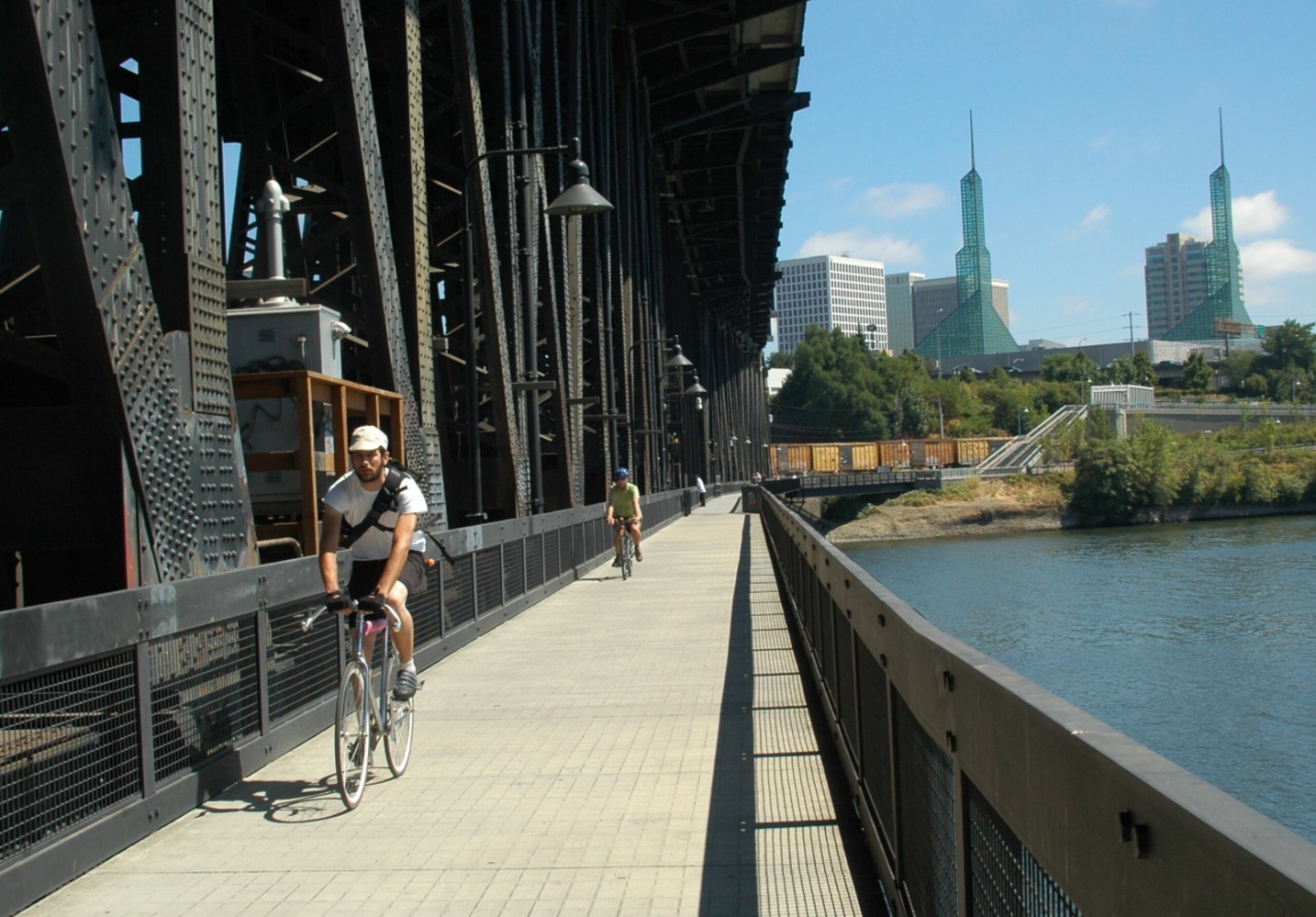
I made my way to Portland, Oregon, precisely because of its reputation as a Green City – I wanted to see what that was like – and so enjoyed the light rail, the trees lining main street, the walkways and bikeways along the waterfront, rebuilt and reclaimed from industrial wasteland, warehouse districts revitalized converted to pleasant residential areas (what’s not to love about a city that prides itself on “bikes, books and brews”?). There was so much to explore and so much to enjoy – biking, hiking, its world-class zoo on a hilltop.
With Congress in the clutches of Republicans who are funded by Big Oil and deny climate change, it will fall to localities to act to mitigate and even reverse the conditions which are producing global warming.
That is why it is wonderful to see Portland, Boston, Broward County – destinations we have thoroughly enjoyed exploring -among the16 communities highlighted by the Obama Administration as “Climate Action Champions.”
(Broward County is interesting because the state of Florida has basically removed incentives to power plant companies like Duke Energy to mitigate carbon emissions, and is among the states that have removed and even banned incentives for solar energy, in the so-called “Sunshine State” no less. Florida has the biggest stake in mitigating climate change, because it will be the first to be submerged under water and uninhabitable when sea levels rise because of the planet’s warming. Farewell DisneyWorld.)
These communities are not just more liveable, but also are more pleasant to visit.
Next on our itinerary: San Francisco.
16 U.S. Communities Recognized as Climate Action Champions for Leadership on Climate Change
From creating climate-smart building codes to installing green infrastructure to setting targets for reducing energy consumption, the 16 local and tribal communities selected as Climate Action Champions have considered their climate vulnerabilities and taken decisive action to cut carbon pollution and build resilience. In addition to being designated as the first cohort of Climate Action Champions, the selected communities will benefit from facilitated peer-to-peer learning and mentorship and targeted support from a range of Federal programs. Furthermore, a coordinator will be provided to each Climate Action Champion to foster coordination and communication across the Federal agencies, national organizations, and foundations in support of the Champions. The coordinator will also assist efforts to raise awareness of funding and technical assistance opportunities that are available specifically for Climate Action Champions.
The 16 designated Climate Action Champions represent a diverse group of communities that are defining the frontier of ambitious climate action, and their approaches can serve as a model for other communities to follow. They are:
Blue Lake Rancheria Tribe (CA): The Blue Lake Rancheria, a Federally recognized tribal government, began its strategic climate action plan in 2008 and is a regional leader in strategically planning and implementing both climate resiliency and greenhouse gas reduction measures. To date, the Tribe has reduced energy consumption by 35 percent and has committed to reduce greenhouse gas emissions 40 percent by 2018, utilizing a range of approaches including the use of biodiesel to power public buses and aggressive energy efficiency measures.
Boston (MA): The City of Boston has committed to reduce greenhouse gas emissions 10 percent by 2020 and 80 percent by 2050. The city is the first in the region to adopt Green Building Zoning, add climate resilience to the large new construction review process, and work with utilities on a regional microgrid. Additionally, Boston implemented a “Green Ribbon Commission,” which represents businesses, non-profits, and community leaders from a variety of sectors working to develop shared strategies for fighting climate change in coordination with the city’s Climate Action Plan.
Broward County (FL): Broward County, a member of the Southeast Florida Regional Climate Change Compact, a regional partnership of four counties (Broward, Miami-Dade, Monroe, and Palm Beach) to advance climate mitigation and adaptation strategies, has committed to reduce greenhouse gas emissions 2 percent per year, reaching a 10 percent reduction target by 2020, and 80 percent by 2050.
Dubuque (IA): The City of Dubuque has adopted greenhouse gas emission reduction targets of 50 percent below 2003 levels by 2030. Alongside these aggressive targets, the flood prone community of Dubuque is focused on risk reduction and resilience, especially as it relates to development and redevelopment of community infrastructure.
Knoxville (TN): The City of Knoxville has set a short-term greenhouse gas emission reduction target of 20 percent below 2005 levels by 2020. In order to execute on that target, the city developed a planning process that engages major stakeholders, including utilities and community grassroots organizations, and formalizes efforts to integrate energy provision, utilization, procurement, waste, and urban/agricultural use into the city’s Energy and Sustainability Work Plan.
Metropolitan Washington Council of Governments (DC, MD, and VA): The Metropolitan Washington Council of Governments (COG) developed the National Capital Region Climate Change Report, demonstrating a fully integrated approach to climate change mitigation and outlining goals in the areas of greenhouse gas emissions, renewable energy, transportation and land use, sustainability and resilience, and infrastructure. The COG is committed to reducing greenhouse gas emissions 20 percent by 2020 and 80 percent by 2050. As a Climate Action Champion, the COG plans to establish an innovative Climate Champions Training Initiative to disseminate the Federal technical assistance and resources it receives to stakeholders across the region.
Mid-America Regional Council (KS and MO): The Mid-America Regional Council, a nonprofit association of city and county governments and the metropolitan planning organization for the bi-state Kansas City region, proposed the creation of a regional Resilience Working Group. Through leadership, planning, and action, the Mid-America Regional Council promotes regional cooperation and innovative solutions and seeks to reduce greenhouse gas emissions by 2 percent per year.
Minneapolis (MN): The City of Minneapolis developed the Minneapolis Climate Action Plan, which includes greenhouse gas emission reduction targets of 15 percent by 2015, 30 percent by 2025, and 80 percent by 2050. The city has partnered with two utilities, Xcel Energy and Center Point Energy, to jointly plan, market, implement, and track strategies to meet climate and energy goals.
Montpelier (VT): Earlier this year, the City of Montpelier launched Net Zero Montpelier, a major initiative focused on making Montpelier the first effectively carbon-neutral capital city in the country by the year 2030. The city has demonstrated its leadership and innovation in climate mitigation and resilience by creating the first energy efficiency utility and the first standard offer program, and by making a commitment to eliminate fossil fuel use across all sectors.
Oberlin (OH): The City of Oberlin has developed a climate change mitigation and resilience plan for power production, solid waste, and transportation, utilizing an innovative and collaborative model that includes partnerships between the town, the University, the utility, industry, and international, national, and regional non-profits. The city established aggressive greenhouse gas reduction targets of 50 percent by 2015, 75 percent by 2030, and 100 percent by 2050.
Portland (OR): The City of Portland is a regional leader for greenhouse gas reduction and climate change mitigation. With support from 20 agency partners, Portland’s 2015 Climate Action Plan is a strategy to put the city on a path to achieve an 80 percent reduction in greenhouse gas emissions compared to 1990 levels.
Salt Lake City (UT): Salt Lake City developed a comprehensive and well-integrated portfolio of programs and policies, including renewable energy, transportation, code revisions, water systems, and building policies as priorities. The city established a joint resolution to reduce its carbon footprint by 20 percent below 2005 levels by 2020, and 50 percent below 2020 levels by 2040.
San Francisco (CA): The city of San Francisco has established some of the most aggressive climate and sustainability targets in the nation, covering a broad range of sectors, including energy efficiency, renewable energy, transportation, water, green infrastructure, and waste. With robust goals to measure progress, San Francisco aims to reduce greenhouse gas emissions by 25 percent below 1990 levels by 2017, and 40 percent by 2025.
Sault Ste. Marie Tribe of Chippewa Indians (MI): The Sault Ste. Marie Tribe of Chippewa Indians demonstrates a holistic approach to climate action and preparedness through their energy strategy, emergency operations plan, integrated resource management plan, solid waste management plan, sustainable development code, and land use planning process, with ambitious goals including a net-zero energy goal. The tribe aims to reduce greenhouse gas emissions by 4 percent per year.
Seattle (WA): Adopted in June 2013, Seattle’s Climate Action Plan focuses on city actions that reduce greenhouse gas emissions and enhance resilience while also supporting vibrant neighborhoods, economic prosperity, and social equity. The plan aims to reduce greenhouse gas emissions by 25 percent below 1990 levels by 2017, and by 40 percent by 2025.
Sonoma County Regional Climate Protection Authority (CA): The Sonoma County Regional Climate Protection Authority (RCPA) is the nation’s first local government agency created specifically to address climate change. The RCPA has committed to pursue a 25 percent reduction in greenhouse gas emissions from 1990 levels through formal partnerships, pooling resources (financial and human), and working across silos.
Today, the Administration also announced new resilience funding opportunities available to local communities across the country, including those designated as Climate Action Champions:
Funding for Smart Grid Technologies: DOE announced that up to $3.5 million will be available through the Resilient Electricity Delivery Infrastructure (REDI) Initiative Funding Opportunity Announcement to help communities deploy pre-commercial and commercial smart grid technologies and tools that will help decision makers and resource managers to improve the recovery of electricity delivery services in their communities. The Funding Opportunity Announcement focuses on local and tribal governments that have experienced a Presidentially Declared Major Disaster in the past 30 years.
Funding for Resilient Coastal Communities: The National Oceanic and Atmospheric Administration (NOAA) will be releasing up to $15 million for a Coastal Resilience Grant Program. The program will implement activities that build the resilience of forward-looking coastal communities and nearby ecosystems with the goal of mitigating the negative impacts of extreme weather events, climate hazards, and changing ocean conditions.
Specific examples of Federal support that will be available to the winning communities include:
Data for Decision-Making: Champions will be provided with validated climate science, data, vulnerability assessments, and risk projection tools needed to make smart planning decisions in their communities and receive technical assistance in using the tools. This support will be provided through programs within NOAA, the Department of the Interior (DOI), the Department of Agriculture (USDA), and FEMA, among other agencies.
Adaptation, Preparedness, and Resilience Exercises:Champions will have the opportunity to participate in FEMA-supported tabletop exercises. Participating communities will assess hazard mitigation and resilience planning already underway to prepare for extreme weather events and other effects of a changing climate.
Peer Network: Champions will have online and in-person access to lessons learned from the Administration’s Sustainable Communities Initiative, a $250 million investment in regions doing long-range planning for environmental, economic, and climate resilience in more than 140 communities nationwide.
Access to Renewable Energy Experts: DOE’s SunShot Initiative will work with Champions through two programs. First, the Solar Outreach Partnership will help Champions to accelerate solar energy adoption at the local level through a mix of educational workshops, peer-to-peer sharing opportunities, research-based reports, and online resources. Second, the Solar Technical Assistance Team at the National Renewable Energy Laboratory (NREL) will bring together solar experts to provide Champions with unbiased information on solar policies and issues in order to facilitate the development of a market for solar photovoltaic technologies.
Tribal-Focused Technical Assistance: Tribal communities designated as Champions will be offered the chance to participate in the DOE Office of Indian Energy Strategic Technical Assistance Response Team (START) program, an in-depth technical assistance program, as well as other targeted technical assistance and capacity building programs designed to help develop energy and resiliency planning and project development support for clean energy and energy efficiency projects.
Resilience Partnership with Federal Facilities: Where possible, Champions will be able to participate in new preparedness pilots that are designed to pair local or tribal communities with nearby Federal facility partners to assess expected local climate impacts and develop plans to address them cooperatively. These would be modeled after two pilots that President Obama announced on July 16, in which the City of Houston is working with the National Aeronautics and Space Administration’s (NASA’s) Johnson Space Center and the State of Colorado is working with the NREL.
Climate Education and Literacy Initiative. The Administration is also launching a new Climate Education and Literacy Initiative to help connect American students and citizens with the best available science-based information about climate change. The White House Office of Science and Technology Policy is hosting a roundtable at the White House today, bringing together education leaders from government, academia, philanthropies, non-governmental organizations, and the private sector to discuss efforts to increase student learning opportunities; equip educators with science-based information and resources; enhance climate-related professional development and training; and engage citizens through place-based and informal climate education. Today’s launch of the Initiative includes a host of exciting new commitments by Federal agencies and outside organizations to develop and deploy innovative climate education approaches aimed at educating and engaging students and citizens of all ages. Examples of these commitments include:
A new Federal program to train senior government executives as climate leaders;
A new training program by the American Meteorological Society and partners to train faculty from Minority Serving Institutions to introduce climate science courses onto their campuses;
An announcement by the Earth Day Network that the 2015 Earth Week will focus on climate education; and
Plans supported by the Will Steger Foundation for more than a dozen public forums and educator workshops across the State of Minnesota to share credible information about climate change.
More information about the Climate Education announcement can be found here.
Hampton Roads Pilot Project.The Administration also announced that a one-day exercise was offered yesterday at Old Dominion University in support of an intergovernmental pilot project created by the Hampton Roads community. The exercise was a component of the National Exercise Program Climate Change Preparedness and Resilience Exercise Series, sponsored by the White House National Security Council, the Council on Environmental Quality, and the Office of Science and Technology Policy, and supported by the National Exercise Division. The Hampton Roads pilot project seeks to develop a regional government- and community-wide approach to sea level rise preparedness and resilience planning that can also be used as a template for other regions. This fall, similar preparedness and resilience exercises were held in Houston, Texas, Fort Collins, Colorado, and Anchorage, Alaska.
White House Climate Action Champions Competition
“From deep droughts to fierce wildfires, severe storms to rising seas, communities across the United States are already grappling with the impacts of extreme weather and climate change. Faced with these new challenges, many cities, towns, counties, and tribes in every region of the country are stepping up to cut carbon pollution, deploy more clean energy, boost energy efficiency, and build resilience in their communities to climate impacts.
“That is why earlier this fall the White House launched the Climate Action Champions competition, to identify and recognize local climate leaders and to provide targeted Federal support to help those communities further raise their ambitions. Following a competitive process led by the Department of Energy (DOE), today the Administration is announcing 16 communities from around the country as the first cohort of Climate Action Champions.
“The Obama Administration is committed to taking decisive action to combat climate change. Just last month, to drive international discussions leading up to the 2015 climate negotiations in Paris, President Obama made an historic joint announcement with Chinese President Xi Jinping of each country’s respective targets for reducing greenhouse gas emissions in the post-2020 period. Building on the United States’ bipartisan history of supporting financing for clean energy and climate adaptation in developing countries, the President also announced the United States’ $3 billion commitment to the Green Climate Fund.
“But international leadership begins at home, which is why the Obama Administration is continuing to partner with state and local governments, businesses, and philanthropic organizations to make progress on climate change in the United States. Building on the Administration’s work with the State, Local, and Tribal Leaders Task Force on Climate Preparedness and Resilience, which delivered its recommendations to the President on November 17, and the selection of the Climate Action Champions this week, the White House Office of Science and Technology Policy launched a new Climate Education and Literacy Initiative, and the Federal Emergency Management Agency (FEMA) and the White House collaborated on the fourth in a series of local climate resilience exercises in Hampton Roads, Virginia.”
mygreenglobe, the YouTube channel showcasing travel entities which have achieved Green Globe Certification, has now surpassed 100,000 views.
The mygreenglobe channel is home to over 100 videos from Green Globe certified members world-wide. The clips are shot in some of the world’s most desirable travel locations, showcasing beautiful destinations in the Caribbean, Central America and Mexico, as well as Europe, the Middle East, Africa and Asia.
“Today’s travelers expect to be able to see all that hotels and resorts have to offer before they make their vacation choices,” Green Globe Communications Director, Bradley Cox said.” Green Globe video clips have become an extremely popular way to take a tour of our members’ properties and meet the management and staff who will greet guests and take care of them during their stay.
“Our strategy is to use videos to promote not only our members’ facilities and services, but also reveal the enormous efforts invested in preserving environments and supporting local communities. We believe this gives travelers a unique perspective into the true heart and soul of their vacation destination,” added Mr. Cox.
Exceeding 100,000 views is a major milestone for mygreenglobe, which provides Green Globe certified members the ability to communicate their sustainability achievements to global audiences every day of the year. In these short colorful clips, Green Globe members take viewers behind the scenes to meet the local people and gain an understanding of their community, culture and values.
New videos are launched every week and include a range of international destinations. The clips showcase different types of accommodation, from remote eco-luxury retreats such as The Lodge at Chaa Creek in Belize to cool urban hotels including the Andaz Amsterdam Prinsengracht. Overall mygreenglobe delivers unique access, which has proven fascinating to travelers as well as industry professionals and interested community groups.
“Having a video channel that profiles such an enormous diversity of travel options is not only good for people looking to purchase a sustainable vacation, but has been a great benefit to our Green Globe members who can show everything from practical information on room types and activities, through to communicating the personality of their hotel or resort,” concluded Mr. Cox.
To view Green Globe member videos visit mygreenglobe or enter mygreenglobe on YouTube search.
Green Globe is the worldwide sustainability system based on internationally-accepted criteria for sustainable operation and management of travel and tourism businesses. Operating under a worldwide license, Green Globe is based in California, USA, and is represented in over 83 countries. Green Globe is an Affiliate Member of the United Nations World Tourism Organization (UNWTO). Green Globe is also a member of the Global Sustainable Tourism Council (GSTC). For information, visit www.greenglobe.com
Wild Planet’s Josh Cohen says November to June are the best months for the Thailand & Laos wildlife ecotour, spanning four national parks and including exclusive ways of bringing guests right to the wildlife.
If you are planning a quest with a goal is to see wildlife, the experts in viewing wildlife through habitat-sustaining practices underscore that when a trip is to be taken is as important as the destination itself.
Josh Cohen, founder of Wild Planet Adventures, outlines the times of year his guests can experience the most intense sightings of the wildlife they travel far to discover.
BORNEO:March to October is the best viewing window for The Ultimate “Weird and Wonderful Wildlife” Safari that combines rainforest hiking and eco-responsible river cruises. Prolific & Likely wildlife sightings include Orangutan, Proboscis Monkey, Bornean Gibbon, Macaques, Langurs, Pygmy Elephant, Bearded Pig, over 620 bird species. “Weird and Wonderful” animal sightings may include the color-changing Flying Frog, Flying Lemur and Draco Lizard. Rare or Endangered (possible sightings) include Tarsier and Slow Loris (both primates), Marble Cat, Clouded Leopard, Bornean Rhinoceros, Sun Bear, and the Paradise Gliding Tree Snake and Lung-less Frog. This 10-day program is from $5,998 per person, double occupancy (exclusive of domestic flights) for a minimum of four. See: http://www.wildplanetadventures.com/destinations/?country=borneo&trip=weird-wonderful-wildlife-12-day-borneo&tab=1
INDIA & NEPAL:November to April are preferred months for Untamed India & Nepal 19-Day Wildlife Safari that embraces national parks in two countries. Prolific & Likely wildlife sightings include Macaque, Langur and Rhesus Monkeys, Elephants, Rhinoceros, Wild Buffaloes, Muntjac, Chital, Nilgai Bluebuck Antelope, Sambar Deer, Mongoose, Sloth Bear, Striped Hyena, Golden Jackal, Otter, Wild Boar, Tigers, Leopards, reptiles and 450 Bird species. Rare or Endangered (possible sightings) include Fishing, Jungle and Desert Cat, Chinkara, Desert Fox and Cobras. The per person double occupancy rate is from $6,998 (minimum six). See: http://www.wildplanetadventures.com/destinations/?country=india&trip=untamed-india-nepal-19-day-wildlife-safari
THAILAND & LAOS:November to June are the best months for Thailand & Laos Ultimate Wildlife 15-Day EcoTour spanning more than four national parks and including exclusive ways of bringing guests right to the wildlife. Prolific & Likely wildlife sightings include up to 13 primate species, Elephants, Civets, Braking and Sambar Deer, Monitor Lizards and Birds. Rare or Endangered (possible sightings) include Tiger, Clouded Leopard, Gaur, Serow, Malaysian Sun and Asiatic Bear, Flying Fox, Giant Porcupine, Slow Loris and Flying Draco Lizard. The per person double rate is from $4,498 (minimum four). See: http://www.wildplanetadventures.com/destinations/?country=thailand&trip=ultimate-wildlife-15-day-eco-tour-thailand&tab=1
COSTA RICA: Think December to May and again July (Veranito season) for the Costa Rica Ultimate Wildlife 14-Day EcoTour spanning 12 distinct ecological zones. Prolific & Likely wildlife sightings include Squirrel Monkeys, Tamandua (Anteater), Kinkajou, Agouti, Dolphins, Tayra, Peccaries (collared and white-lipped), Red-Eyed Tree Frogs, Walking Sticks, Eyelash Pit Viper, Fer-de-lance, Leaf-Cutter Ants, and such birds as Resplendent Quetzals, Scarlet Macaws, Lovely Coatings, Scarlet-thighed Dacnis, Green Honeycreepers, Roseate Spoonbill, Woodstorks, Crested Caracara, Purple Gallinule, Northern Jacanas, and Great Curassow. Rare or Endangered (possible sightings) include Jaguar and other cats, Tapir, Porcupine, Silky Anteater, Grey Fox, Olingo, Paca, Grison, Caiman, Fleishman’s Glass Frogs (see-through), Leatherback Turtles, Green Turtles, Hercules Beetles and more. The per person, double rate (minimum four) is from $4,798. See: http://www.wildplanetadventures.com/destinations/?country=costa-rica&trip=ultimate-wildlife-14-day-eco-tour-costa-rica
PANAMA:December to July are the best months for a Panama Ultimate Wildlife 10-Day EcoTour that combines rain and cloud forest experiences with the sea. Prolific & Likely wildlife sightings include Howler, White-faced Capuchin and Squirrel Monkeys, Three- and Two-toed Sloth, Coatimundi, Bats, Kinkajou, Agouti, Tayra, Peccaries (Collared and White-lipped), Dolphins, Crocodiles, Blue Morpho Butterflies, Basilisk (Jesus Christ lizards), Poison Arrow and Red-eyed Tree Frogs, Walking Sticks, Sea Turtles, Fer-de-Lance, Leaf-cutter Ants and 600 species of birds. Rare or Endangered (possible sightings) may include Jaguar and other Cats, Tapir, Porcupine, Silky Anteater, Grey Fox, Olingo, Paca, Grison, Fleishman’s Glass Frogs (see-through), Leatherback and Green Turtles and more. The per person double rate is from $3,998. See http://www.wildplanetadventures.com/destinations/?country=panama&trip=ultimate-wildlife-10-day-eco-tour-panama
BRAZIL: The best time for spotting wildlife here is July to October on a program called Jaguar’s Trail: Pantanal to Amazon 15-Day Adventure. Cohen calls this “our most value-packed itinerary” featuring wildlife safaris by jeep, boat and foot in three different regions of the Pantanal and a remote area of the Amazon. Cohen also reports, “We average spotting1.5 jaguars per day, and sometimes as many as 7!” Prolific & Likely wildlife sightings include Bown Capuchin, Black Howler, Duski Titi, White-Whiskered Spider, Gold & Black and Red-Handed Howler Monkey, Black-Tailed, Silvery and Emilia’s Marmoset, Giant and Neotropical Otter, Black and Spectacled Caiman, Collared and White-Lipped Peccary, Marsh, Red Brocket and Brown Brocket Deer, Brazilian Rabbit, Brazilian Porcupine, Short-Tailed Possum, Jaguar, Brazilian Tapir, South American Coati. Rare or Endangered (possible sightings) may include Bare Ear Marmoset, Feline Night and Red-Nosed Bearded Saki Monkey, Emilae’s Marmoset, Harpy Eagle, Ocelot, Puma, Azara’s Agouti, Punare, Colocolo. The per person double rate is from $7,198 (minimum six). See http://www.wildplanetadventures.com/destinations/?country=brazil&trip=jaguars-trail-pantanal-amazon-15-day
PERU:March to October are the preferred months for a program called Ultimate Wildlife Amazon & Machu Picchu 13-day Adventure including both Tambopata Biosphere Reserve and the remote Manu Biosphere Reserve. Prolific & Likely wildlife sightings include Brown Capuchin, Squirrel, Dusty Headed Titi, Red Howler, Spider, Night and Wooly Monkey; Saddleback Tamarin, Macaws in all hues, Toucan, Capybara, Giant River Otter, Tyra, Brown Agouti, Sloth, Pygmy Marmoset, Emperor Tamarin, Monk Saki and Tapir. Rare or Endangered (possible sightings) may include Goeldi’s Monkey, Jaguar, Jaguarundi, Puma, Ocelot, Bush Dog, Harpy Eagle, Silky and Giant Anteater. The per person double rate is from $5,498 (minimum four). See: http://www.wildplanetadventures.com/destinations/?country=peru&trip=ultimate-wildlife-amazon-machu-picchu-13-day
ZAMBIA:July to October are preferred months for an Ultimate Wildlife 18-Day Safari in one of Africa’s least crowded and most wildlife-rich destinations. Prolific & Likely wildlife sightings include African Elephant, African Buffalo, Hippopotamus, Southern Giraffe, Plains (Burchell’s) Zebra, Roan, Sable, Bushbuck, Common Duiker, Impala, Puku, Greater Kudu, Warthog, Bush Pig, Aardvark, Banded Mongoose, Slender Mongoose, White-Tailed Mongoose, Lion, Leopard, Spotted Hyena, Side-striped Jackal, African Civet, Large-Spotted Genet, Cheetah, Leopard, Wild Dog, Honey Badger, Vervet (Green) Monkey, Yellow Baboon, Rodents, Shrews Reptiles and Birds. Rare or Endangered (possible sightings) include Grysbok, Steenbok, Suni, Tsessebe, Crawshay’s Zebra, Hartebeest, Black Rhino, Aardwolf, Bat-eared Fox, Tree Hyrax, Mongoose (Dwarf, Bushy-Tailed, Selous, Marsh Mongoose, Meller’s) Temminck’s Pangolin, Striped Polecat (Zorilla), Serval, Caracal, African Wild Cat, Small-spotted Genet, Black-Backed Jackal, Chacma Baboon, Samango (Blue) Monkey, Maloney’s Monkey, Night Ape and more. The per person double rate is from $13,998 (exclusive of domestic flights at $2,198 per person). See: http://www.wildplanetadventures.com/destinations/?country=zambia&trip=ultimate-wildlife-18-day-safari-zambia
In April 2014 Wild Planet Adventures received its fifth “Worlds’ 50 Best Trips” award from the editors of National Geographic Traveler for its “On the Jaguar’s Trail; from the Pantanal to the Amazon” wildlife safari in Brazil.
In a time when the challenges of air travel only seem to become more complex and automobile travel more frustrating, the allure of train travel grows. Trains are easy on/off, allow continual WiFi use, have excellent on-time performance, and are affordable.
And now, you can reach one of the most sensational getaway destinations on the planet via passenger rail: Amtrak to Rhode Island.
Amtrak services Rhode Island via two routes: The high-speed Acela travels daily between Boston, New Haven, New York, Philadelphia, Baltimore, and Washington DC. The Northeast Regional includes those cities as well as smaller stations such as Kingston, RI, in the southern half of the state, close to the beaches and Newport.
Once in Rhode Island, the Rhode Island Public Transit Authority’s system of trolleys and buses makes navigating the entire state a breeze, especially the cities of Providence and Newport (see bus directions below to each destination) – not to mention superb biking (one of our favorite bike trails is the East Bay, which goes from Providence 14.5 miles, hugging the shores of Narragansett Bay to Bristol).
And Rhode Island’s great fall festivals and foliage excursions make visiting at this time of year all the more memorable. The great food scene here, from high-end, nationally-award-winning restaurants to waterside seafood shacks, is allure all by itself, and will only make your stay more enjoyable, no matter what your taste.
Making Connections
Getting around Providence is a snap, not just because it’s an eminently walkable city, but because RIPTA’s system of tourist-friendly public transportation is fantastic. RIPTA’s hub is located in Kennedy Plaza in the center of downtown Providence, a 5 minute walk from the train station. Check out the dozens of routes at www.ripta.com.
Getting to Newport is even easier. Regular bus service runs between Providence, Kennedy Plaza and Newport’s Gateway Center. Buses leave every 30 minutes.
Once in Newport getting around via public transportation is easy too! Newport’s public transportation hub is the Visitors Information Center at 23 America’s Cup Avenue in downtown Newport. RIPTA provides trolley and bus service to attractions throughout Newport, including the mansions, Cliff Walk, Beaches, Fort Adams, Downtown Newport, the Gateway Center, and more. Van/car service is available from the Kingston station to Newport. Call (401) 295-1100 for information and reservations (required).
Riders can buy a day pass or pay as they go directly from the bus driver. RIPTA riders pay just $2 for all-day parking at the Visitors Information Center and receive discounts to many area attractions, including mansion and harbor tours. For more information call: 401-781-9400 or log on to RIPTA.com or see specific schedules here:
Rhode Island Chinese Dragon Boat Races and Taiwan Day Festival (Sept. 6): The Blackstone Valley is one of the few places outside of China where you can experience these authentic and beautiful wooden dragon boats, made and shipped from Hong Kong, race. Boat crews consist of a drummer and 20 paddlers. The top team wins $10,000. The day also includes other festivities celebrating Asian culture. School Street Pier, Pawtucket, 401-724-2200. www.dragonboatri.com
To get there from Providence: Board Bus 11 in Kennedy Plaza towards R-Line North. The 11 departs every 20 minutes. In about 24 minutes, you’ll arrive at the Pawtucket Transit Center. Transfer to Bus 78. Travel three stops to School and Beechwood streets. Take a right and walk five minutes to the Pawtucket Boat Launch. Total travel time 40 minutes.
The 9th Annual Newport Mansions Wine & Food Festival (September 19-21): Held in one of the most spectacular settings in America, Rosecliff and Marble House mansions, this remarkable weekend experience features hundreds of wines from around the world, fabulous food, cooking demonstrations by nationally-renowned chefs, live and silent auctions and a gala celebration. www.newportmansions.org
To get there from Providence: Board Bus 60 in Kennedy Plaza towards Newport. This bus departs every 20 minutes. In about an hour and 13 minutes, get off at Marlborough and Duke streets in Newport. Walk about a minute straight ahead to the next bus stop at Marlborough and Thames streets. Board Bus 67 and ride 9 stops to the corner of Bellevue and Narragansett avenues. Exit the bus and walk 5 minutes to Marble House. Total travel time is 1 hour 37 minutes.
WaterFire Providence (Sept. 27, Oct. 11, 25): A unique and beautiful artistic installation by Barnaby Evans, WaterFire, in its 20th year, is celebrated the world over. Featuring braziers placed along the middle of the Providence River and set aflame, WaterFire features music, artistic performers, food and drink and brings both locals and visitors out to celebrate the city. www.waterfire.org. (see slideshow).
To get there: Exit the Providence Train Station and make a left onto Gaspee St. Walk one minute and take a left on Francis St. Walk three minutes to the Providence River and the first viewing point for WaterFire, which starts at sunset.
International Polo Series (Through September): This royal sport has taken Rhode Island by storm. Polo matches take place every Saturday June through September. Spectators may rent tents or bring chairs and reserve space on the grounds for picnics. Teams competing come from throughout the world. Glen Farm in Portsmouth. www.nptpolo.com
To get there from Providence: Board Bus 60 in Kennedy Plaza towards Newport. This bus departs every 20 minutes. In about 55 minutes, exit the bus on East Main Rd opposite the corner of Glen Rd. Cross the street and walk about 10 minutes to Glen Farm Rd. and make a right. The polo fields will be 5 minutes down on your left. Total travel time is 1 hour 13 minutes.
The Jack O Lantern Spectacular at Roger Williams Park Zoo (Oct. 2-Nov. 2): This annual festival features 5,000 artistically and intricately-carved pumpkins in all shapes, sizes and themes. Set along the pathways that lead throughout the Zoo, the lit-from-within pumpkins draw as many as 100,000 visitors for a part-beautiful, part-spooky celebration of the season. 1000 Elmwood Ave., Providence, 401-785-9450. www.rwpzoo.org
To get there from Providence: In Kennedy Plaza, board Bus 22 towards Providence. It will turn into Bus 20. Ride for 18 minutes to the corner of Elmwood Ave. and Carlisle St. Exit the bus here and the entrance to Roger Williams Park is directly across the street. Enter the park and walk 6 minutes to the Zoo. Total travel time is 26 minutes.
Newport’s International Octoberfest (Oct. 11-12): This bona fide Bavarian weekend bubbles over with juicy bratwursts, yodeling and folk dance performances, a rousing entertainment lineup and more. This year, there will be three Biergartens and expanded outdoor courtyard space for endless amounts of festivities. A kid-friendly Kindergarten area rounds out fall’s choice festival as a place for the whole family to sample Oktoberfest’s multitude of flavors. All held along the beautiful Newport waterfront at the Newport Yachting Center. www.newportwaterfrontevents.com/event/international-oktoberfest/
To get there from Providence: Board Bus 60 in Kennedy Plaza towards Newport. This bus departs every 20 minutes. In about an hour and 13 minutes, get off at Marlborough and Duke streets in Newport. Exit the bus and walk straight ahead two minutes to Thames St. Take a left and walk 7 minutes to the Newport Yachting Center on the right side of Thames St. Total travel time is 1 hour 24 minutes.
Bowen’s Wharf Seafood Festival (Oct. 18-19): Honoring the “harvest of the sea,” the Bowen’s Wharf Seafood Festival offers copious amounts of seafood, continuous live music, and family fun, all beneath the wharf’s colorful tents. Neighboring restaurants and fisherman’s associations serve up their most celebrated seafood dishes (lobster dinners, clam chowder, stuffed quahogs, clam cakes, shrimp, scallops, raw oysters and clams, as well as a few dishes for landlubbers and kids). Under the music tent, live music – folk, Celtic, sea shanties and blues – are just a taste of what you’ll hear. Bring your dancing shoes, because these bands promise to get your feet moving! www.bowenswharf.com/events
To get there from Providence: Board Bus 60 in Kennedy Plaza towards Newport. This bus departs every 20 minutes. In about an hour and 13 minutes, get off at Marlborough and Duke streets in Newport. Exit the bus and walk straight ahead two minutes to Thames St. Take a left and walk 5 minutes to Bowen’s Wharf, on the right side of Thames St. Total travel time is 1 hour 22 minutes.
Blackstone Valley Fall Foliage Tour (Oct. 22): One of the most unique ways to see Rhode Island’s gorgeous fall foliage. Hop aboard the Blackstone Valley’s Fall Foliage Train. On Oct. 22 at 9 am the train departs Woonsocket for a day-long excursion to Putnam CT, where you can shop for antiques and dine. One Depot Sq, Woonsocket. www.tourblackstone.com
To get there from Providence: Board Bus 54 in Kennedy Plaza towards Lincoln. After 51 minutes, exit the bus at 113 Clinton St. near the corner of High St. Cross the street and make a right and walk one minute to Depot Square. Total travel time is 56 minutes.
New and exciting places to stay
The Urban Beach House at The Attwater, Newport
The Attwater is a design-driven boutique hotel with a chic and modern edge not often seen in historic Newport. Urban Beach House rooms feature “outdoor style” showers and a “sand lounge” gathering spot in the front yard of the hotel. Top-notch amenities and stylish comfort are the order of the day. 22 Liberty St., 401-846-7444, www.theattwater.com
The Dean, Providence
A brothel-turned boutique hotel, the 52-room Dean is an urban oasis for Downcity travelers. With a decidedly cool Brooklyn vibe (it was designed by Brooklyn-based ASH NYC), the hotel merges cool (there are bunk beds) with a homegrown aesthetic (many of the furnishings and accessories are crafted by RI artists). 122 Fountain Street, Providence, 401-455-DEAN, 401-732-3100. www.thedeanhotel.com.
For further information:
Newport Convention and Visitors Bureau, 23 America’s Cup Avenue, Newport, RI 02840, 401-845-9151, 800-326-6030, www.gonewport.com.
Summer is winding down but there’s still time to celebrate summer’s final days in the outdoors with park picnics, road trips, camping, water sports, hiking and much more. Americans logged 1.6 billion visits to national and state park lands last year. The Subaru/Leave No Trace Traveling Trainers encourage people to get outside and enjoy America’s parks, forests, lakes and oceans responsibly during the last few weeks of summer.
The Subaru/Leave No Trace Traveling Trainers are teams educators that travel throughout the United States in their Subaru hybrids and reach millions of people each year. They conduct hands-on educational trainings and outreach, teaching the public about Leave No Trace principles while promoting stewardship of the outdoors, protection and preservation of our public lands and support of outdoor recreational activities.
“The best way to celebrate the end of summer is to get outside,” according to Subaru/Leave No Trace Traveling Trainer, Dani Rowland. “With the growing number of visitors on our public lands, it’s easy for these natural areas to be negatively impacted. The teams travel the country teaching straight-forward skills to help people protect the outdoor places they cherish. Learning and practicing Leave No Trace goes hand-in-hand with your end of summer celebration.”
These five, new tips from the Subaru/Leave No Trace Traveling Trainers to help you Leave No Trace on your next picnic, camp outing or park visit are easy to implement and will help protect our nation’s favorite natural lands for years to come:
1. Keep Wildlife Wild
Human food is unhealthy for all wildlife and feeding them can have unfortunate consequences such as drawing them to people and roads and making them sick.
2. Get Muddy
A giant mud puddle in the middle of your trail? Get muddy and walk right though it to avoid trampling and the loss of important plants and small trees living along our trails.
3. Be Careful With Fire
Burn all wood to ash and be sure the fire is completely out and cold before you leave to avoid starting a wildfire.
4. Trash: A Burning Issue
Burning trash and leftover food in your campfire attracts animals and releasing harmful chemicals into the air. Put all leftover food and trash in a trashcan.
5. Water Wisdom
Keep soap, food and human and pet waste out of lakes and streams to keep them clean. We all depend on clean water.
To learn more tips on Leave No Trace and when the Subaru/Leave No Trace Traveling Trainers will be in your area visit www.LNT.org.
Subaru has a long history of supporting active lifestyle enthusiasts and the organizations that are important to them. In 1999, Subaru of America and the Leave No Trace Center for Outdoor Ethics joined forces to promote responsible recreation across the United States. The Subaru/Leave No Trace Traveling Trainer program consists of four teams of two educators that travel across the country in their Subaru hybrids teaching people how to protect and enjoy the outdoors responsibly. The Subaru/Leave No Trace Traveling Trainers work with the general public, volunteers, nonprofit organizations, friends groups and governmental agencies to reduce the impact of recreational activities in selected endangered areas. In 2014, alone, the Subaru/Leave No Trace Traveling Trainers will reach 15 million Americans.
Leave No Trace is a national, nonprofit organization that is dedicated to protecting the outdoors by teaching people how to enjoy it responsibly. Since 1994, Leave No Trace has been the most widely accepted outdoors program used on public lands in the United States. Through targeted education, research, outreach, volunteerism and partnerships, Leave No Trace ensures the long-term health of our natural world. Their Subaru/Leave No Trace Traveling Trainers are mobile teams educators that visit 48 states every year delivering Leave No Trace programs. Leave No Trace has mobilized more than 30,000 volunteers to provide outreach and training impacting more than 22 million people annually in the U.S. For more information visit www.lnt.org.
The Responsible Travel industry is turning its sights on animal welfare.
This issue will figure into the keynote address by Dr. Martha Honey, CREST Co-Director, at TBEX North America, which will be held September 11 – 13, 2014, in Cancun, Mexico.
In advance of her speech she has been asked to comment on an ongoing debate about captive dolphin tours in Cancun. Here is how CREST views the issue:
“Respecting animal welfare is an essential component of responsible travel. CREST believes that when at all possible, wildlife should live in their natural habitats.”
If wild animals are held in captivity, they should be guaranteed, at minimum, the following ‘Five Freedoms’:
Sufficient and good quality food and water
A suitable living environment
An opportunity to exhibit natural behaviors
Protection from fear and distress
Good health
(Check out Born Free UK’s Guide to the 5 Freedoms, which discusses the Five Freedoms in detail in the context of captive wild animals.)
Dolphins are socially complex and self-aware creatures, and we agree with World Animal Protection in that these animals “deserve to live a life free from captivity, where they can properly fulfill their social and behavioral needs.” A tank simply cannot provide them with the space, environment, and social freedom they need to thrive as they would in the wild.
The tour operator Intrepid Travel, a highly respected leader in responsible travel, has set a guideline that it is best to view wildlife where it belongs, but if a zoo or aquarium is ever visited, a visitor should make sure the facility adheres to the World Association of Zoos and Aquariums’ Code of Ethics before entering.
Also, interactions with wild animals should never involve physical contact with people, feeding, or other actions that disturb or alter their natural behavior. These actions often cause extreme distress for the animal and are health risks for both parties.
On the issue of captive marine animals, President Mark Spalding says, “We have admirable facilities that rescue and when possible rehabilitate and release marine mammals, sea birds and sea turtles. Some of these allow the public to visit and volunteer. And, many have advanced our knowledge of marine wildlife through research during their recovery.
“But like hospitals for humans, this is not where we want wild animals to spend their entire lives. We prefer to see them in the wild where they thrive.”
CREST works frequently in close collaboration and partnership with The Ocean Foundation.