Category Archives: Responsible Travel

World Tourism Day, Sept 27, Calls Attention to Global Importance of Travel

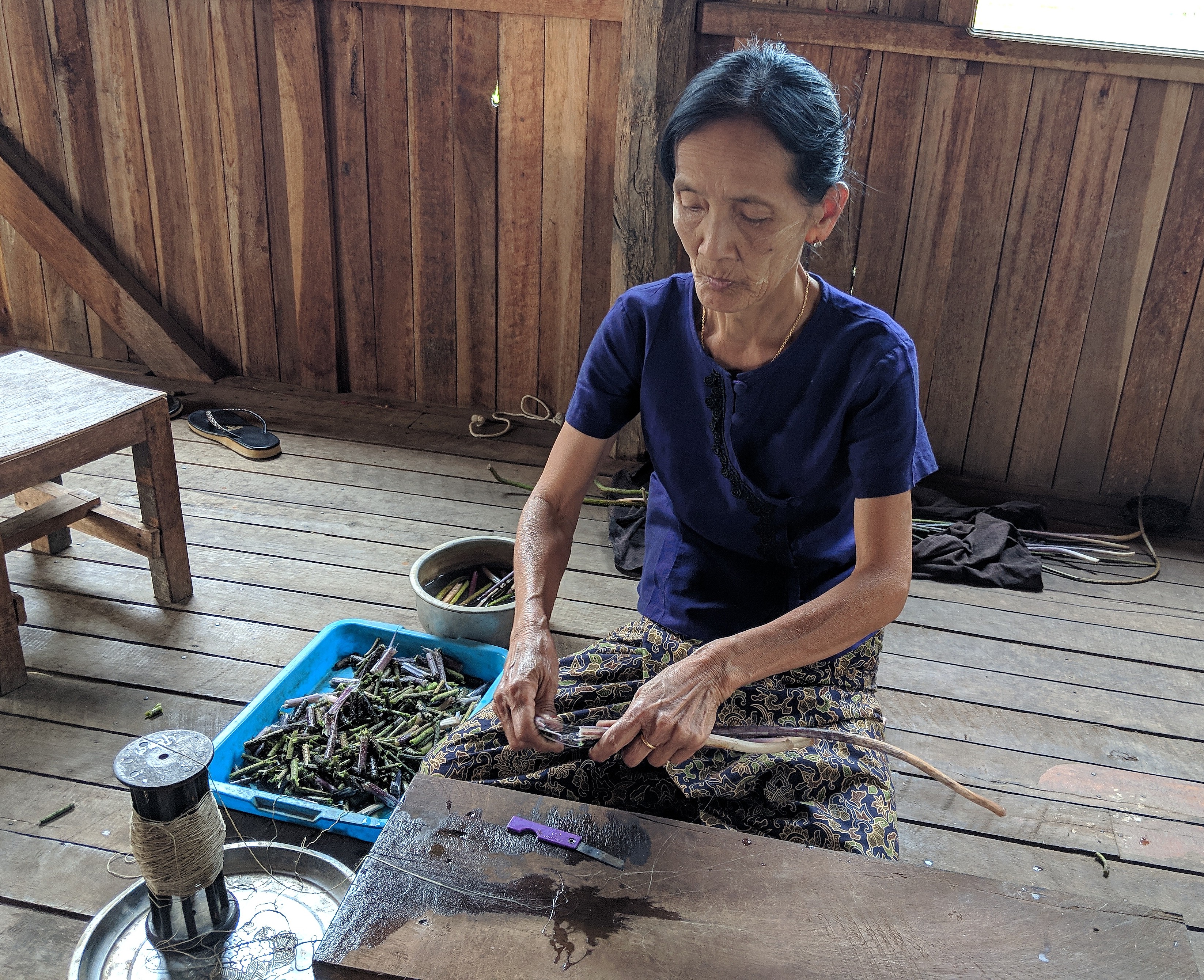
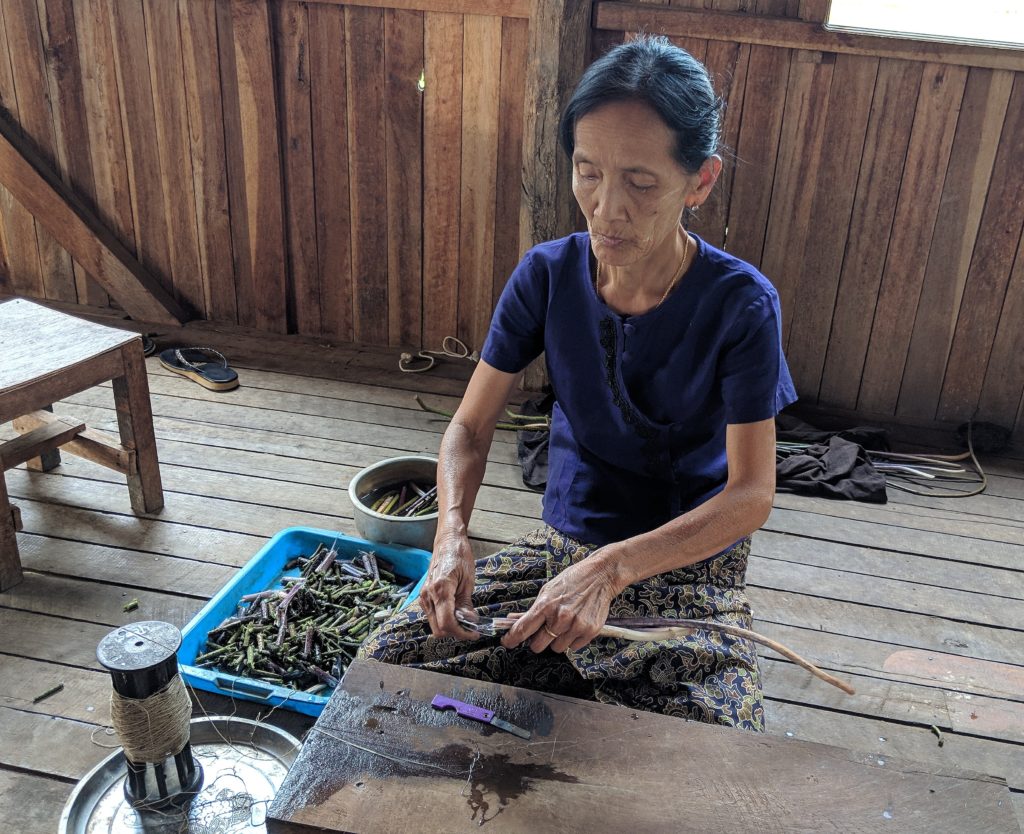
Tourism to Inle Lake, Myanmar, provides an economic foundation to preserve traditional crafts as well as promote understanding © Karen Rubin/goingplacesfarandnear.com

As the 74th United Nations General Assembly gets underway, it is appropriate to be reminded of one of the missions, though the United National World Tourism Organization, to promote international travel. Each year, on September 27, UNWTO commemorates World Tourism Day with celebrations led by UNWTO. Its purpose is to foster awareness among the global community of tourism’s social, cultural, political and economic value and the contribution the sector can make in reaching the Sustainable Development Goals. In 2019, in line with UNWTO’s overarching focus on skills, education and jobs throughout the year, World Tourism Day will be a celebration on the topic ‘Tourism and Jobs: a better future for all’.

This is from the UNWTO website:

Tourism’s role in job creation is often undervalued. This is despite the fact that tourism generates 10% of world jobs and is included in Sustainable Development Goal 8 for its potential to create decent work.

New policies are needed to maximize tourism’s potential to create more and better jobs, especially for women and youth. New policies are also needed to reflect and incorporate ongoing advances in technology.

Policies and actions should be geared towards addressing the current mismatch between tourism skills that are taught and those that tourism employers need.

This requires a holistic approach to the future of work in tourism, with heightened cooperation between all actors, including the public and private sectors.

The Future of Work

Creating and ensuring equitable employment is essential to increasing social inclusion, peace and security. The potential of every economic sector to provide decent jobs should be utilized to its fullest.

The emergence of new technologies has led to the development of new forms of work that are rapidly changing production processes worldwide. This both provides opportunities for, and puts pressure, on existing employment, welfare and education agendas.

According to the International Labour Organisation (ILO), global unemployment remains high, reaching more than 190 million in 2018. All sectors and countries, therefore, need to create the conditions for more and better jobs. Embracing new technology can play a key role in achieving this goal.

Making the new wave of technological breakthroughs as inclusive as possible will require considerable investment in training and skills for life and work. Everyone should have a chance to develop their full potential so as to benefit from the new technological era.

To do this we need to examine the impact of technological change on socioeconomic growth, jobs and inequality. We also need to provide tools and skills to those who are looking for a job and as well as to those whose jobs are at risk of automation.

On the occasion of its centenary in 2019, the ILO released ‘Work for a Brighter Future: Report of the Global Commission on the future of Work’. This landmark report takes note of the forces transforming the world – technology, climate change, demography, globalization – to call for a human-centered agenda for the future of work.

By placing people and the work they do at the centre of economic and social policy and business practice, the path towards growth, equity and sustainability consists of three pillars of action:

Increase investment in people’s capabilities

Increase investment in the institutions of work

Increase investment in decent and sustainable work

Tourism is a leading people-to-people sector, with growth rates outpacing world economic growth and international trade. It is one of the main global export categories and with such a high impact on human workforce, it serves as a natural ally of ILO’s human-centered agenda for the future of work.

Tourism and Jobs

Tourism is a major source of employment because of its labour-intensive nature and the significant multiplier effect on employment in related sectors. It is estimated that one job in the core tourism sector creates about one-and-a-half additional or indirect jobs in the tourism-related economy. Overall tourism accounts for one in ten jobs worldwide.

The ILO estimates that ‘accommodation and restaurants’, together with ‘private sector services’, will create jobs at the fastest rate among all sectors in the economy over the next five years.

Tourism has proven to be a resilient economic activity. In each of the seven years following the global economic crisis of 2010, the number of worldwide international tourist arrivals grew at 4% or above.

Tourism is a contributor to the Sustainable Development Goals (SDGs) as a target in Goals 8, 12 and 14. The sector’s contribution to job creation is specifically recognized in Goal 8, target 8.9. This states: “By 2030, devise and implement policies to promote sustainable tourism that creates jobs and promotes local culture and products”.

Tourism’s voice at the UN level is mirrored in other global development and policy fora. The 26th Ibero-American Summit of Heads of State and Government concluded in November 2018 with a high-level political declaration on sustainable development in which tourism plays a key supporting role. The commitment includes UNWTO as the designated global partner and marks the first time the tourism sector has been featured in a top-level multilateral cooperation agenda.

More recently, the G20 Osaka Leaders’ Declaration from June 2019 singles out tourism’s contribution to global economic growth and inclusive and sustainable development: “Tourism accounts for a significant share of the world’s GDP and is expected to continue to be an important driver of global economic growth. We will work to maximize the sector’s contribution to the creation of quality jobs and entrepreneurship, especially for women and youth and in the creative industry; economic resilience and recovery; the preservation of natural resources through sustainable tourism planning and management; and the achievement of inclusive and sustainable development.”

However, despite representing 10% of the world’s jobs, tourism’s role in employment generation and entrepreneurship is often underestimated and undervalued in policy formulation and implementation.

mismatch between available qualifications and workplace reality is one of the major factors impacting tourism employment and talent development. The gap between education and skills/knowledge needs, and the resulting shortages of labour with ‘future-proof’ skills, continues to dent economies and harm job creation prospects. Moreover, tourism suffers from important challenges related to attracting and retaining talent and the improvement of working conditions.

Tourism Jobs and the Digital Revolution

Globalization, technological progress and demographic change are trends that, together, have redefined the tourism sector and how it functions. At the heart of our now hyper-connected, hyper-informed world is a digital-led revolution in markets, as well as in the demand for skills and the characteristics of tourism jobs. Recent years have seen the emergence of digital breakthroughs, including new platform tourism services (the so-called sharing or collaborative economy), big data and geo-localization.

Some of the main issues the tourism sector faces in adapting its workforce to the technological revolution are:

The need to review and update outdated legislation and regulation that supports employment, innovation, entrepreneurship and new business models

The low level of awareness and expertise of new technologies and technological trends

A lack of funding to invest in new technologies and training for the jobs needed for the present and future

The lack of cooperation and communication among relevant stakeholders

MSMEs Are Key to Decent Work in Tourism

Micro, Small and Medium Enterprises (MSMEs) are now the major job creators in tourism. OECD/ILO research shows that around half of tourism employees work in enterprises of fewer than 10 people, while around three-quarters work in enterprises of fewer than 50 people.

Tourism MSMEs are also an important source of innovation and economic diversification, helping to shape socioeconomic development in destination countries worldwide.

However, access to finance, prohibiting business regulations and inadequate skills are major constraints faced by all MSMEs including those operating in the tourism sector.

The main challenge related to MSMEs, then, is to create an enabling environment that at once improves their economic prospects, overcomes barriers to decent jobs, and ensures that MSMEs’ economic activities are environmentally sustainable.

Promoting Jobs For All in Tourism – Youth, Women and Rural Communities

The tourism sector employs more women and young people than most other sectors.

Just under half (47%) of people working in tourism in European OECD countries are between 15 and 34 years of age, compared to a third (32%) of workers in the economy as a whole.

In OECD countries, women account for 60% of employment in the tourism sector. This is higher than the share of women employed in the services sector (47%) and in the economy as a whole (43%).

Women play a leading role in tourism entrepreneurship. UNWTO/UNWomen research shows that the global rate of women entrepreneurs in ‘hotels and restaurants’ (36%) is comparatively higher than in all sectors combined (22%).

Furthermore, tourism creates jobs in rural and remote areas, not only directly but also indirectly through the preservation and restoration of traditional activities. Often it is one of the few viable economic sectors in these areas.

The explicit mention of tourism in Goal 8, target 8.9 of the SDGs recognizes its transformational potential on livelihoods and prosperity in rural communities, both through providing access to decent employment and through reviving traditional local industries.

By providing opportunities for women, youth and rural communities in a variety of roles, tourism contributes to several SDG target areas surrounding empowerment of vulnerable groups and more equal and inclusive societies. More inclusion strengthens tourism’s power to unite people across cultures in a celebration of diversity, increasing overall social resilience.

Despite these benefits tourism provides, it must also address serious challenges surrounding employment for all of these groups.

One is a large gender pay gap. In tourism, women are on average paid 20-25% less than male workers for comparable skills. Women are often over-represented in non-standard forms of employment. Women also suffer segregation in terms of access to education and training.

Low-skilled women often find themselves in the most vulnerable jobs, at risk of poor working conditions, inequality of opportunity and treatment, violence, exploitation, stress and sexual harassment.

Temporary and part-time jobs are particularly common among women, young people, and the less-skilled who are employed in tourism. They can often lead to decent work deficits, including inadequate social security coverage, low wages and income inequality, and poor working conditions.  

The tourism sector’s variable demand cycle, with irregular working hours and unpredictable shifts, poses additional challenges for those (of any gender) trying to reconcile work and family responsibilities. At the same time, however, this flexibility may also provide opportunities to individuals wanting to combine a job in tourism with another occupation.

A Policy Framework for Decent Tourism Jobs

New policies are needed to maximize the potential of the tourism sector to create more and better jobs, while reducing the risk associated with an increasing skills mismatch.

There is a longstanding tradition of the tourism sector working in isolation from other key economic sectors. The way forward is for a more holistic approach to the future of work in tourism, with clear links to other sectors that are important for economic development.

The major ongoing changes and challenges around tourism employment require a new approach to skills development and education, policies for innovation and job creation.

Policies should:

Encourage the progress of innovation in tourism that fosters job creation and entrepreneurship, particularly among women, youth and rural communities, through;

Establishing tourism innovation centres, incentives and programmes to connect start-ups, leading companies, investors and governments;

Developing research on the changing demand for skills due to the digital revolution;

Creating initiatives that promote innovation and technological skills development in tourism;

Bring together educational institutions, the private sector, governments and technology partners to review educational programmes and help create the skill sets needed for future work opportunities, including soft skills;

Further bridge the gap between available qualifications and workplace skills needed, by supporting opportunities for appropriate industry experience, such as internships or scholarships, along with specialized education and training;

Include technology stakeholders in national tourism policy coordination structures and mechanisms, in order to ensure an holistic approach that accounts for innovation and job creation;

Include tourism as a key sector in both national and multilateral agenda for employment, education and skills creation, and overall economic development, highlighting tourism’s capacity to deliver on the objectives of creating more and better jobs.

Join the celebration: #WTD2019

For more travel features, visit:

goingplacesfarandnear.com

goingplacesnearandfar.wordpress.com

moralcompasstravel.info

www.huffingtonpost.com/author/karen-rubin

travelwritersmagazine.com/TravelFeaturesSyndicate/

goingplacesfarandnear.tumblr.com/

instagram.com/going_places_far_and_near/

‘Like’ us on facebook.com/NewsPhotoFeatures

Twitter: @TravelFeatures
African Travel Donates Funds to Help Support Rhino Conservation at Shamwari Game Reserve

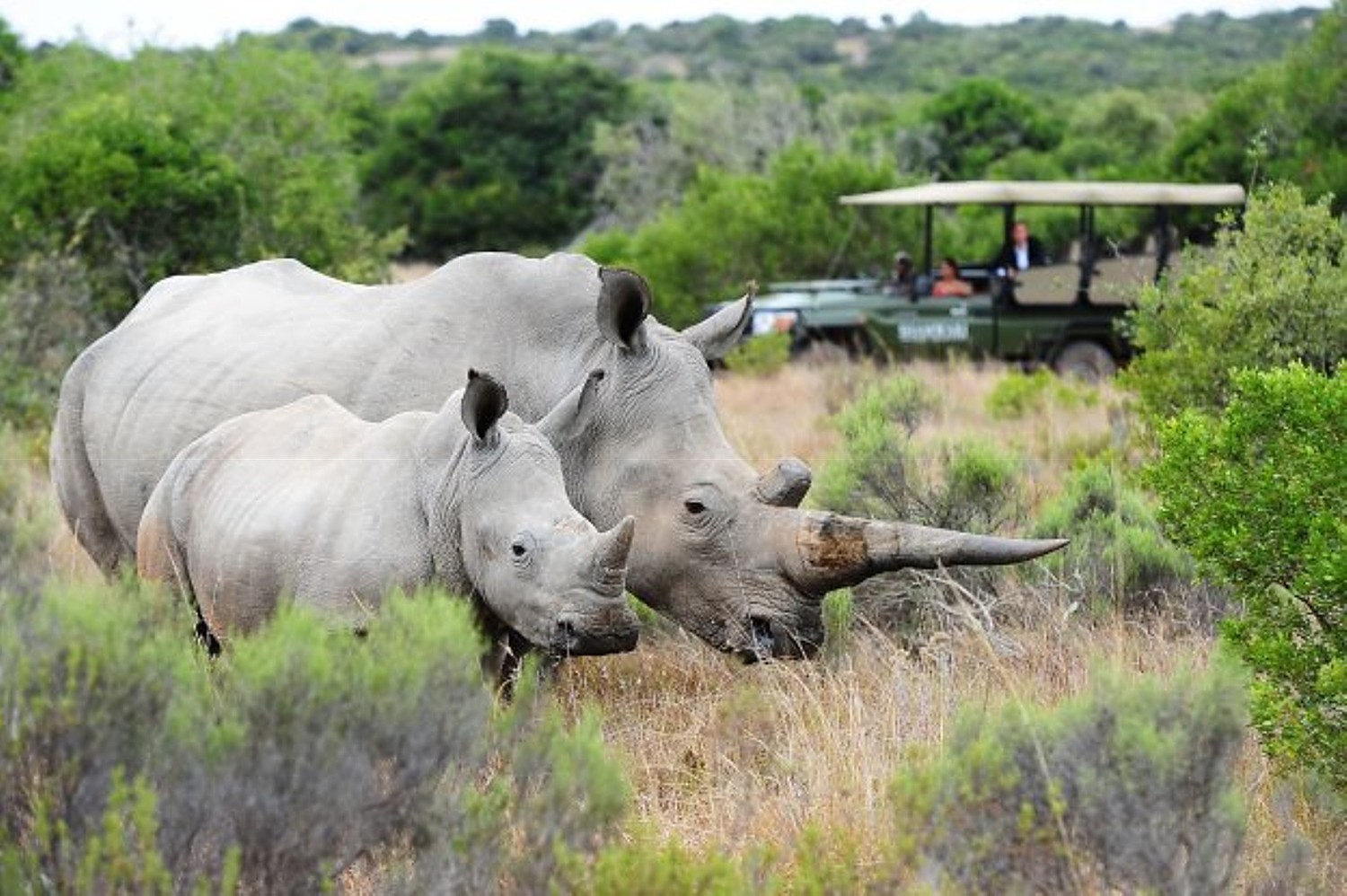
Celebrating 26 years of “conserving a vanishing way of life,” Shamwari Game Reserve has worked to rehabilitate and consolidate their 25,000 hectares of land so that the flora and fauna may flourish.  African Travel’s $100 per couple donation in their name will go towards the building of the rhino boma at Shamwari. a haven to rehabilitate injured or orphaned rhino until they are strong enough to be released back into the wild.

BOCA RATON, Fla. As World Rhino Day approaches, African Travel, Inc. encourages travelers to celebrate the species and support the future of these critically endangered animals.

In honor of The Travel Corporation’s (TTC) 100-year anniversary, African Travel, Inc., will donate $100 per couple traveling on the Majestic South Africa itinerary in support of rhino conservation.

This incredible 10-day journey begins in Cape Town, the stunning port city crowned by the natural beauty of Table Mountain.   Over four nights, guests will enjoy 5-stary luxury at the Table Bay Hotel on the vibrant Victoria & Alfred Waterfront and feast on African, Afrikaans and European flavors at the hotel’s Camissa Brasserie.  From its culinary scene, to its natural beauty, the best of South Africa’s Mother City is revealed as guests explore the majestic coastline of the Cape Peninsula, the crowd-pleasing penguins of Boulders Beach, or the rich and charming winelands of Franschhoek, the gourmet capital of the Cape.

A different kind of beauty unfolds as guests fly to Port Elizabeth and transfer by road to Shamwari Private Game Reserve.  This premier safari lodge encompasses 61,000 acres of vast, ever-changing vegetation and multitudes of different animal and bird species.

Celebrating 26 years of “conserving a vanishing way of life,” Shamwari Game Reserve has worked to rehabilitate and consolidate their 25,000 hectares of land so that the flora and fauna may flourish.  The $100 per couple donation in their name will go towards the building of the rhino boma at Shamwari. a haven to rehabilitate injured or orphaned rhino until they are strong enough to be released back into the wild. Guest can also visit the Shamwari Wildlife Rehabilitation Centre which helps to rehabilitate and care for sick, injured, abandoned or orphaned animals under the care of their professional veterinary team. Once these animals have been nursed back to health, they are released back into their natural habitat.

“We exist because our goal in life is to make travel matter.  It’s our responsibility to protect some of the species most at risk from extinction in the places we visit, and we are extremely passionate about rhino conservation” said Sherwin Banda, president, African Travel, Inc.  “At Shamwari, this is something our guests will experience first-hand and we’re proud that we’re able to support sustainable tourism through this effort.”

At Shamwari, guests will enjoy twice-daily game drives and nature walks and stay three nights at the cliffside Eagles Crag Lodge, which offers the ultimate in luxury, privacy and spectacular scenery.  Priced from $6,195 per person.

For a bird’s eye view of Shamwari and African Travel, Inc.’s partnership and support of them, enjoy this video.

To book African Travel, Inc. at (800) 421-8907, or visit www.africantravelinc.com.

Follow African Travel, Inc. on Facebook, Twitter and Instagram, and join the conversation using the hashtag #WeKnowAfrica

Created as a joint initiative between The Travel Corporation’s (TTC) family of brands, the TreadRight Foundation is a not-for-profit that works to help ensure the environment and communities we visit remain for generations to come. To date, TreadRight has supported some 40 sustainable tourism projects worldwide. To learn more about our past and current work at TreadRight, visit us at TreadRight.org

For more travel features, visit:

goingplacesfarandnear.com

goingplacesnearandfar.wordpress.com

moralcompasstravel.info

www.huffingtonpost.com/author/karen-rubin

travelwritersmagazine.com/TravelFeaturesSyndicate/

goingplacesfarandnear.tumblr.com/

instagram.com/going_places_far_and_near/

‘Like’ us on facebook.com/NewsPhotoFeatures

Twitter: @TravelFeatures
USTOA Tour Operators Venture to Lesser-Known Corners of the World in 2020

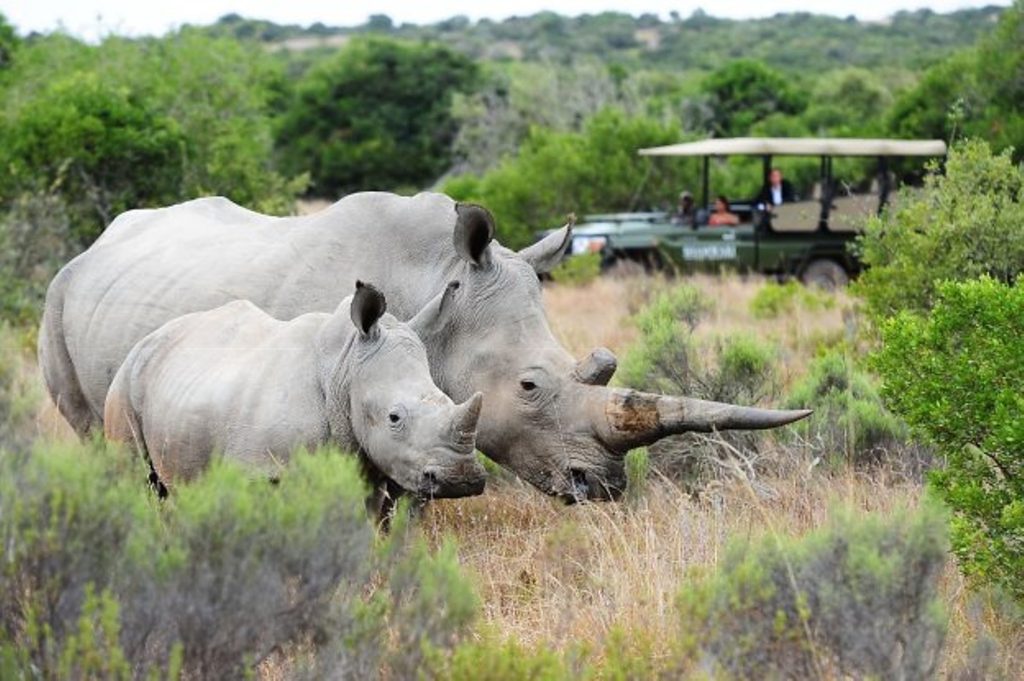
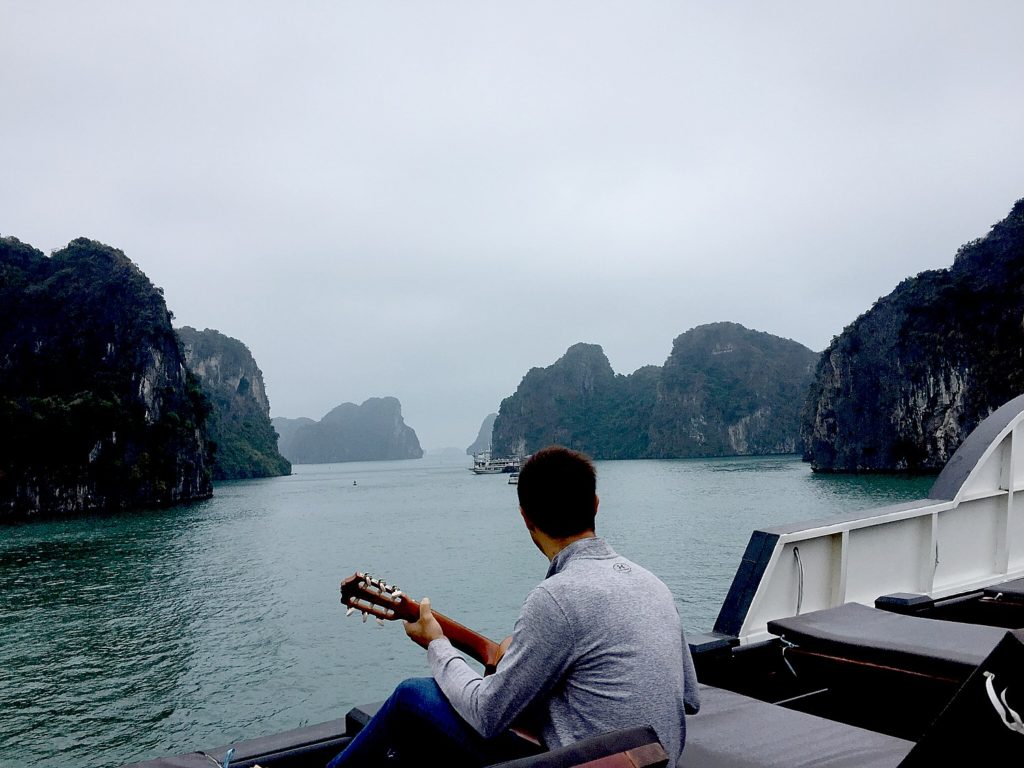
USTOA members bring travelers to less-trafficked places in the world, like cruising in Vietnam © Laini Miranda/goingplacesfarandnear.com

NEW YORK –Each September, the United States Tour Operators Association (USTOA) celebrates Travel Together Month to showcase the unparalleled group travel experiences offered by USTOA tour operators. This year, USTOA is spotlighting new itineraries that lead travelers off-the-beaten path in 2020.

Travelers who explore relatively less-traveled destinations often experience fewer crowds, encounter more opportunities to immerse themselves in the local culture, and discover activities that are distinctly different.

“Traveling to the lesser-known corners of the earth supports the growth of emerging destinations while providing a richer and deeper understanding of local cultures and communities,” said Terry Dale, president and CEO of USTOA. “Our tour operator members have been taking travelers to off-the-beaten-path places for decades and have an exciting array of new programs available in 2020 to explore.”

New USTOA tour operator itineraries for 2020 include:

Lithuania & Latvia: the Baltics – Cyclists can spin along the Baltic coast, take a private cruise to the Curonian Spit, and join a Lithuanian barbecue with VBT Bicycling Vacations. Departures are available between May and September 2020, starting at $3,095 per person.

Discover Ethiopia –Perillo’s Learning Journeys takes guests on a city tour of the capital, Addis Ababa, home to museums and open air markets, and on an exploration of Lalibela, a town in the Amhara region known for its distinctive rock-cut churches. Private group departures are available throughout 2020 starting at $3,890 per person.

Wukalina Walk – Travelers can take a guided, four-day adventure in Tasmania with Goway.com through Launceston while listening to the stories of this northeast region. Departures are available on Sundays through March 2020, starting at $1,609 per person.

Coastal Wonders of Norway, the Faroe Islands, and Iceland – Adventurers can visit Norway’s spectacular fjords, discover the Viking heritage in the Faroe Islands, and observe nesting seabirds on Iceland’s Látrabjarg cliffs with Lindblad Expeditions. Departure is June 18, 2020, starting at $17,160 per person.

Vietnam & Cambodia – Holiday Vacations takes travelers through these two neighboring Southeast Asia destinations with time for traditional cooking classes, museum visits, and boat cruises. Departures are available in March 2020, starting at $8,299 per person.

Bolivia & Chile’s Atacama Desert – International Expeditions takes guests through Bolivia’s dramatic landscape and wildlife, and to the turquoise lakes and red plains of the Atacama Desert in Chile. Departure is available May 9, 2020, starting at $10,698 per person.

UNESCO Banff National Park & The Rocky Mountaineer – Travelers can explore the Canadian Rockies, Banff National Park, and Lake Louise by boat, rail, and a glass-domed car with Seabourn Cruises. Departures are available on select dates between June and September 2020, starting at $5,399 per person.

Find all the itineraries offered by USTOA tour operators at https://ustoa.com/dream-vacation

Representing nearly $19 billion in revenue, the member companies of U.S. Tour Operators Association provide tours, packages and custom arrangements that allow 9.8 million travelers annually access, insider knowledge, peace-of-mind, value and freedom to enjoy destinations and experiences across the entire globe. Each member company has met the travel industry’s highest standards, including participation in the USTOA’s Travelers Assistance Program, which protects consumer payments up to $1 million if the company goes out of business.  As a voice for the tour operator industry for more than 40 years, USTOA also provides education and assistance for consumers and travel agents.

For more information on USTOA, visit www.ustoa.com, call 212-599-6599, or email information@ustoa.com.

For more travel features, visit:

goingplacesfarandnear.com

goingplacesnearandfar.wordpress.com

moralcompasstravel.info

www.huffingtonpost.com/author/karen-rubin

travelwritersmagazine.com/TravelFeaturesSyndicate/

goingplacesfarandnear.tumblr.com/

instagram.com/going_places_far_and_near/

‘Like’ us on facebook.com/NewsPhotoFeatures

Twitter: @TravelFeatures
Wildland Adventures Guides Guests Beyond Over-Touristed Sites On Explorations of Turkey

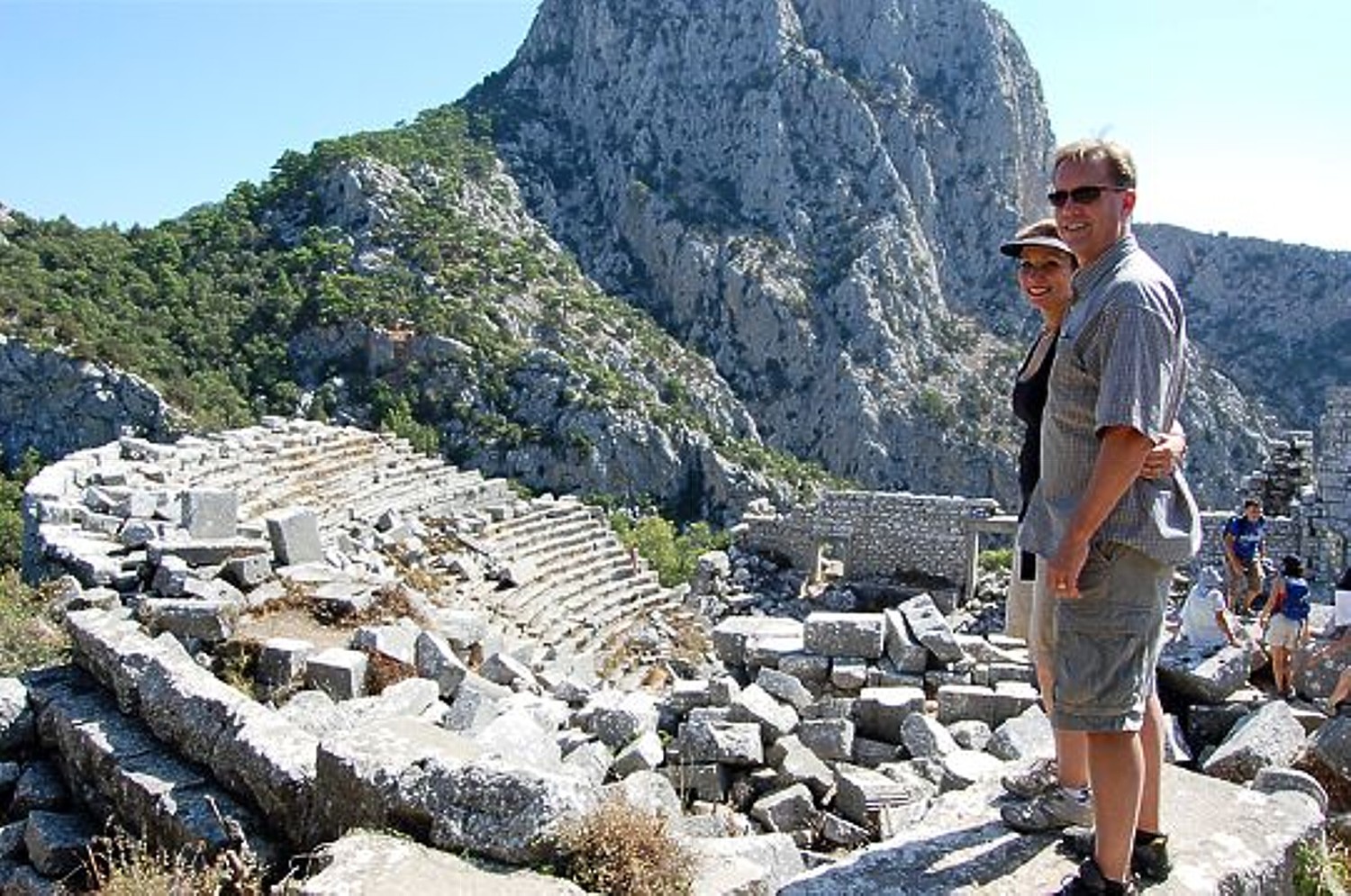
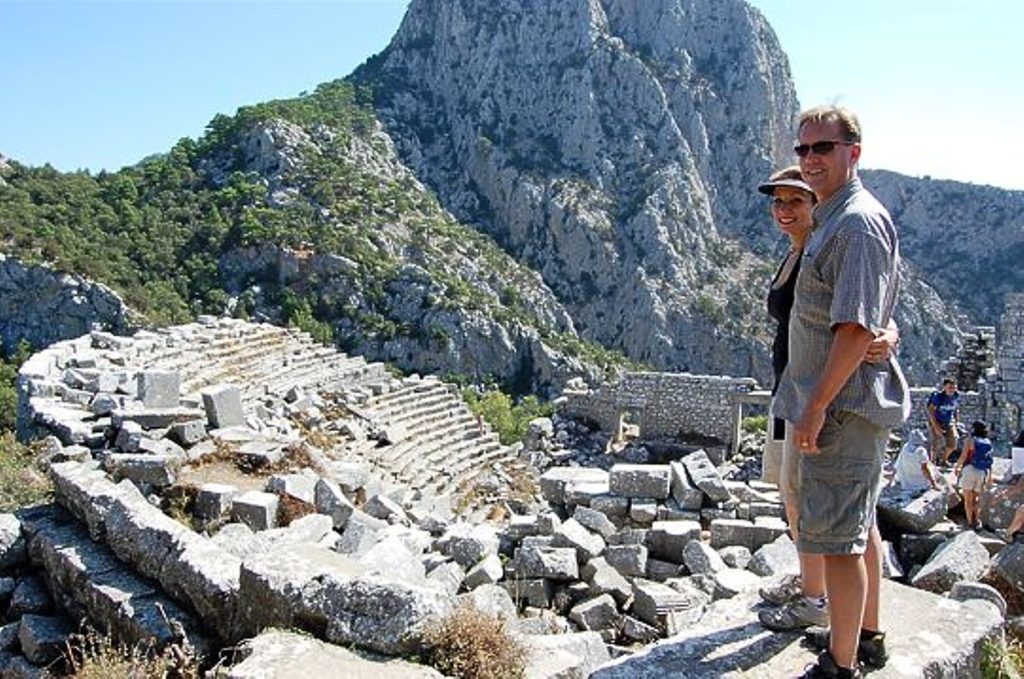
Wildland Adventures to Turkey embrace the culture people flock here to experience.

SEATTLE, WA – Over-touristed sites are now the new norm throughout the world.
 
For example, this year in record numbers, tourists are queuing up at the Blue Mosque, a UNESCO World Heritage Site in Istanbul.
 
“Travel is an investment in time and money. Istanbul has cultural and historical treasures that extend beyond the Blue Mosque. So why waste hours just to get inside a building you have been told you must see?” asks Kurt Kutay, CEO and President of Wildland Adventures.
 
Instead, Wildland Adventures guides with deep knowledge of Istanbul and Turkey will share the Blue Mosque story with fine-tuned timing that skirts crowds and by introducing historical/cultural takeaways at less selfie-prone places.
 
“This resurgence of interest to visit Turkey is keeping us on our toes,” Kutay says. “We have to be aware, well in advance, where the maddening crowds will gather next. Then we plan contingencies that will connect the same cultural dots that the hot spots do – but perhaps even more effectively without the distractions that come with crowds.” Turkey has 100,000 registered historic spots. If a must-see UNESCO World Heritage Site is over-run by crowds, Kutay’s team will choose the best hours to visit or designate a comparable place to fulfill a similar interest and expectation.
 
Wildland Adventures to Turkey embrace the culture people flock here to experience. “We bring our guests as close as possible to real worlds, freed of artifice, must-sees and must-dos,” Kutay explains. Among the takeaways that Wildland Adventures guests enjoy are:

  • Extant Greek and Roman ruins, more numerous here than in Greece and Italy combined.
  • One of the world’s prized cuisines. “We make sure to feature a different dish every day. Dining in Turkey is simultaneously a history lesson served up on a plate,” Kutay exudes, paraphrasing Poet Abdulhak Sinasi who wrote: “Do not dismiss the dish saying that it is just, simply food. The blessed thing is an entire civilization in itself.”
  • Visits to less-known alternative sites that are comparable to the crowded hotspots to imbibe history, culture and traditions. “Instead of waiting in lines, our guests talk with local people including merchants, artists and religious leaders.” Most tours focus exclusively on historic sites around Sultanahmet Square, which is less than half a mile in diameter and a stone’s throw from the cruise ship dock. But Constantinople (so named until 1930) is surrounded by 14 miles of walls; the heart of the ancient city is four miles east to west. Wildland Adventures extends tours into old, traditional neighborhoods and to Bosphorus villages for a full understanding of old and contemporary Istanbul.
  • Experiences that move beyond monuments and historic buildings. Guests visit markets, eat street food, visit artist workshops, neighborhood coffee shops, wine bars and panoramic rooftop bars to take it all in on a grand scale.
  • Cruising the Turquoise Coast of the Mediterranean in traditional hand-built Gulets (classic Phoenician-style, wooden yachts). Guests explore along footpaths only accessible from the sea, paths that lead to pastoral grazing lands chalk full of Crusader, Byzantine Greek and Roman archaeological sites. “It’s all about timing as well by avoiding busy coastal towns and beaches where tourists flock by day,” underscores Kutay. “We anchor in quiet coves and wait until tourists disappear for the day. We then serve wine and appetizers in ancient ruins where, sitting in the sunset, we take turns reciting poetry or singing a song in the Odeon (a stone structure specific to the ancient arts).” 

The tours Wildland Adventures offers in Turkey are: 

  • Turquoise Coast Odyssey – a 13-day itinerary from $4,965 per person double. Accommodations include a restored Ottoman home in the heart of a mountain village, a boutique cave hotel and Istanbul inns with rooftop restaurants. Highlights are Istanbul, Cappadocia, Kas, an Anatolian village, Ephesus and a voyage along the Turquoise Coast in a traditional gulet yacht. 
  • Highlights of Turkey – a 9-day exploration from $3,695 per person double. This itinerary embraces Turkey’s three most important cultural and political centers: Istanbul, Cappadocia and Ephesus on foot along ancient pathways and by boat. Guests enjoy well-appointed friendly hotels, a boutique cave accommodation and a renovated historic hotel in the Aegean highlands. 

Departure dates are available upon request. Kutay notes that even though there’s more pressure on prices because of renewed demand by tourists, the Turkish Lira has fallen against the stronger dollar.
 
“Our trip prices remain the same as they were three years ago,” he notes.
  
Kurt Kutay, Founding CEO/President, and Anne Kutay, Vice-President, established Wildland Adventures in 1987. As active managing directors, they are continuously refining and evolving their Wild Style of travel. The ‘Wild Style’ is based on an ethic of sincerity, compassion and understanding that breaks down barriers of separation to build lasting intercultural, interpersonal, and environmental bonds designed to enhance rather than exploit the people and places where they travel.

For more information on these itineraries and all of Wildland Adventures’ worldwide offerings, availability and reservations, call 1-800-345-4453 or email info@wildland.com. Visit http://www.wildland.com/. Kutay has also recently published 6 Ways to Travel Responsibly in an Age of Overtourism.

For more travel features, visit:

goingplacesfarandnear.com

goingplacesnearandfar.wordpress.com

moralcompasstravel.info

www.huffingtonpost.com/author/karen-rubin

travelwritersmagazine.com/TravelFeaturesSyndicate/

goingplacesfarandnear.tumblr.com/

instagram.com/going_places_far_and_near/

‘Like’ us on facebook.com/NewsPhotoFeatures

Twitter: @TravelFeatures
Industry to Gather on World Tourism Day to Discuss Best Practices for Responsible, Sustainable Travel

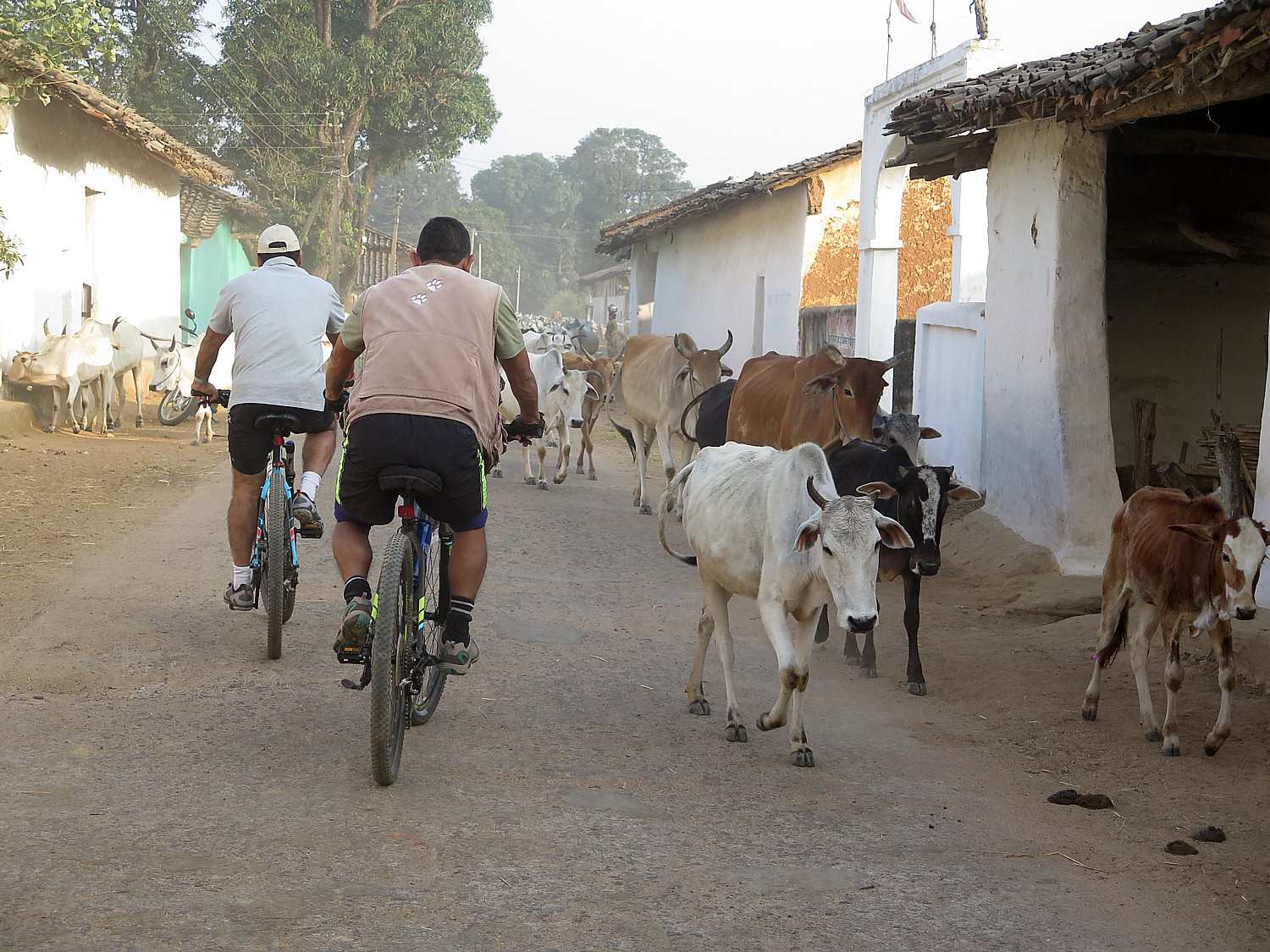
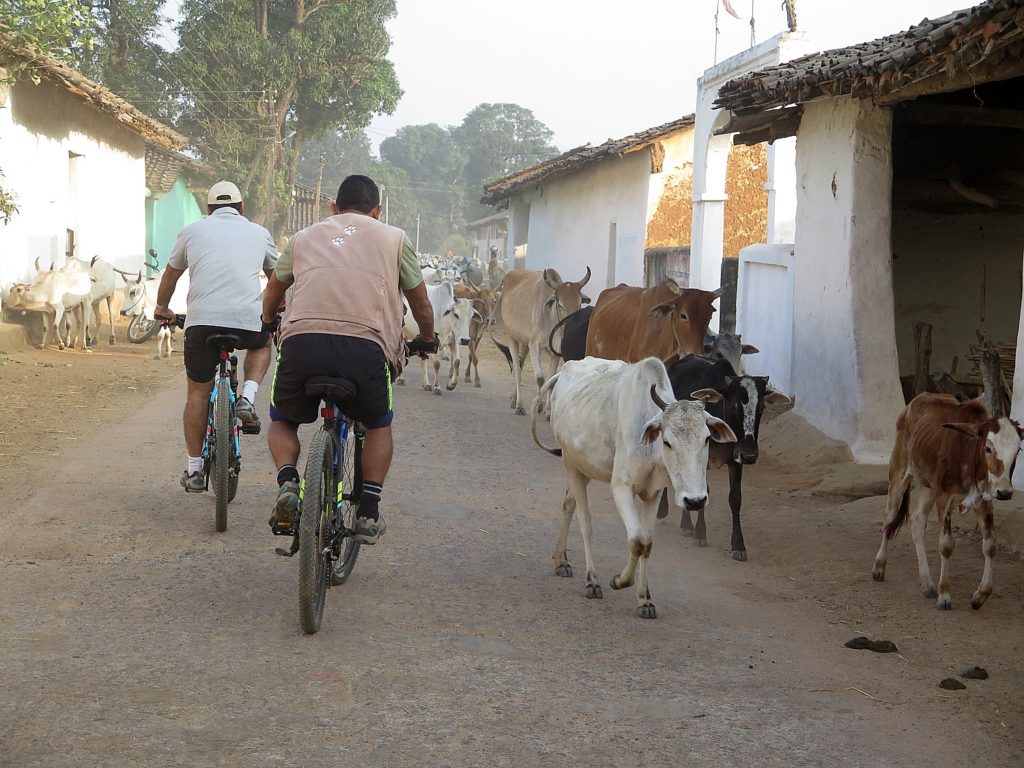
Biking in India: Travel can provide the economic base to sustain ancient heritage and conserve wildlife and environment but too much can also destroy. Responsible travel industry entities and governments are working to minimize adverse impact. One of the ways for travelers to maximize their contribution and minimize adverse impact is by a bike tour © Karen Rubin/goingplacesfarandnear.com

How can the travel industry better support the communities we love around the world? On World Tourism Day, leaders in tourism and community development will come together in Washington, DC on Friday, September 27, to discuss best practices for travel giving, voluntourism, and corporate social impact.

The 2019 World Tourism Day Forum, Impact Tourism: Giving Time, Talent, & Treasure, is a day-long event focused on how tourism business, travelers, and organizations are successfully making strategic contributions of time, talent, and treasure to social and environmental projects in destinations. Recognizing that “doing good” does not always mean “doing right,” the forum will also examine the downsides of poorly implemented travel giving programs.

Hosted by the Center for Responsible Travel (CREST) and the Organization of American States, this event will trace the evolution of what was originally referred to as “travelers’ philanthropy” into “impact tourism,” which is recognized today as a core component of responsible travel. Designed to generate insights and highlight innovation, the forum will also discuss the future of this growing source of development assistance.

Select speakers include:

  • James Thornton, Chief Executive Officer, Intrepid Travel
  • Chris Blackwell, Founder, Island Outpost
  • Meenu Vadera, Founder & Executive Director, Women on Wheels/Azad Foundation
  • Katherine Redington, Vice President of Social Impact Journeys and Business Development, Elevate Destinations
  • Carmen Portela, Co-Founder, Local Guest

For a complete list of speakers and topics, visit the event website.

The event is taking place on Friday, September 27, 2019,  8:30 a.m. – 6 p.m at United States Institute of Peace, 2301 Constitution Avenue NW, Washington, DC (reached by the Foggy Bottom-GWU Metro, Blue, Orange, and Silver lines).

Hope Trekking Offers Everest Base Camp Trek in Nepal with Flexible Dates

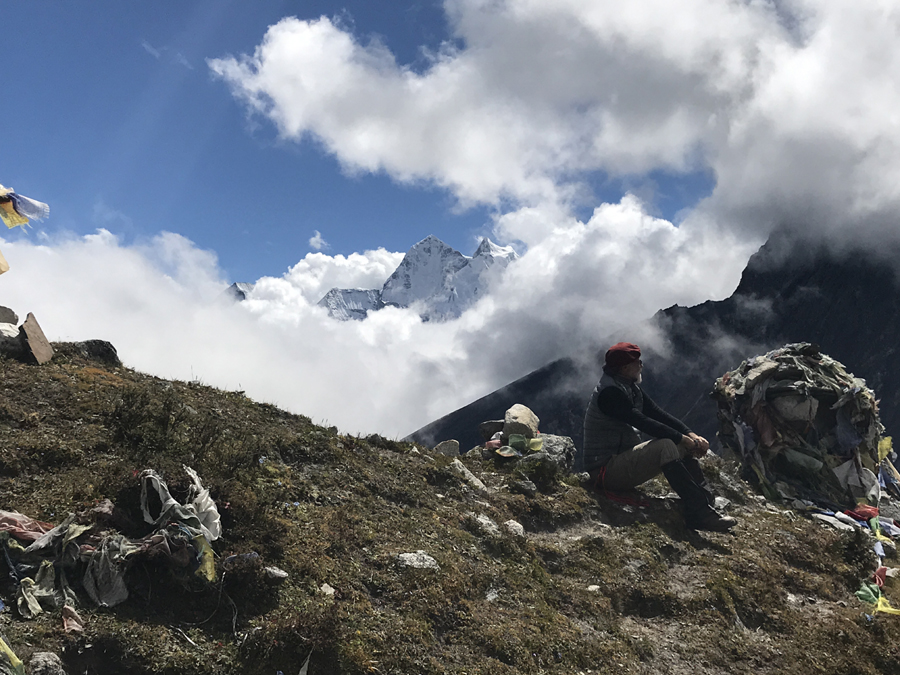
Hope Trekking offers an Everest Base Camp Trek in Nepal with flexible tour dates.

Hope Trekking is offering an Everest Base Camp Trek in Nepal with flexible tour dates.
 
A trek to Everest Base Camp is the adventure of a lifetime. Follow in the footsteps of some of the greatest and most famous trekkers and climbers. Embark on a mind-blowing trek to base camp of the world’s highest mountain.
 
When you land in Lukla, the gateway to Mount Everest, you’ll be greeted by fresh mountain air, smiling Sherpa faces, and the wonderful absence of sound. For the next 14+ days, you will not encounter even one motorized vehicle! There are no roads to Everest, just gorgeous trails. And this is just the beginning.
 
You will see countless carved Mani stones and prayer wheels, stunning Buddhist mountain monasteries, breath-taking views of the Himalayas at every turn, and will immerse yourself in the Sherpa culture as you walk through village settlements and over suspension bridges. Each night you will stay in a rustic and charming tea house. Gather around the stove in the main dining room, meet travelers from around the world as you enjoy an authentic and delicious Nepali dinner. Every day of the EBC trek is new discovery for your senses. Hike through Rhododendron forests, over raging rivers, inside gorgeous valleys, and along stunning mountain ridges. You will never regret taking this life-changing adventure!
 
“At Hope Treks, we believe in doing the right thing and passing on the good karma to you, our client. In addition to funding medical research for the world’s most devastating and terminal childhood disease, we also practice responsible and green tourism through treading very lightly in the mountains and the countryside of Nepal. We make every effort to minimize negative social, economic and environmental impacts on the places we travel. We are committed to paying a living wage to our Nepalese guides and porters who, in the past, have often worked for as little as $10 a day. We ensure that they have proper, safe clothing and gear, as well as insurance.
 
“Isn’t it time for your ultimate, altruistic adventure?” 
 

Tour Name:  Everest Base Camp Trek
Tour Dates: Flexible
Tour Rate: $2200 USD per person
Rate Includes:

  • Accommodation with breakfast at deluxe hotel in Kathmandu.
  • Breakfast, lunch and dinner each day while trekking
  • Tea House accommodation during the trek.
  • Experienced, English-speaking guide and porters (1 porter between 2 people). Also included is their food, accommodation, salary, and insurance.
  • Trekkers Information Management System (TIMS Card).
  • Flight fare from Kathmandu to Lukla/Kathmandu.
  • Sagarmatha national park permit.
  • Tour Location (countries, regions, etc): Nepal


Website: www.hopetrekking.com
 
Company Profile: Hope Treks offers Treks in Nepal, including Everest Base Camp, and profits go to the Hope for Gus Foundation, which funds medical research for Duchenne muscular dystrophy.

For more travel features, visit:

goingplacesfarandnear.com

goingplacesnearandfar.wordpress.com

moralcompasstravel.info

www.huffingtonpost.com/author/karen-rubin

travelwritersmagazine.com/TravelFeaturesSyndicate/

goingplacesfarandnear.tumblr.com/

instagram.com/going_places_far_and_near/

‘Like’ us on facebook.com/NewsPhotoFeatures

Twitter: @TravelFeatures
Four Seasons Resort Nevis Partners with Sea Turtle Conservancy on Research

Four Seasons Resort Nevis sponsors GPS satellite transmitters to support the Sea Turtle Conservancy track the migration patterns of sea turtles that return to Nevis to lay their eggs, and this year, even with the Resort’s ongoing renovation, the research needed to continue. 

NEVIS, WEST INDIES – From June to October, the beaches of Nevis come alive with the scurrying of one of nature’s most beloved animals, the sea turtle. Each year, the partnership between Four Seasons Resort Nevis and the Sea Turtle Conservancy aims to educate and create awareness about the protection of these beautiful sea creatures through a joint program that helps researchers study the migration patterns of the endangered species that nest on Nevis’ beaches.

Four Seasons Resort Nevis sponsors GPS satellite transmitters to support the Sea Turtle Conservancy in tracking the migration patterns of sea turtles that return to Nevis to lay their eggs, and this year, even with the Resort’s ongoing renovation, the research needed to continue.

“This is our 13th year coming to Nevis and conducting research on these beautiful hawksbill sea turtles,” says David Godfrey, Executive Director of the Sea Turtle Conservancy. ”For us, this partnership is more than just the research; it’s an opportunity to be a part of the Nevisian community year after year and see how much they truly value our efforts and being a part of this very important initiative.”

Along with the help of the Nevis Turtle Group and Ignacio Ottley, one of longest standing sea turtle participants from the Resort, the team was able to successfully locate and track two new nesting hawksbill sea turtles on the beaches of Cades Bay, located just 15 minutes from Four Seasons.

As they headed out to the beach in the late evening, no sooner had they spotted the first turtle nesting along the beach. The conservation team began taking notes, measurements, and nesting patterns when another turtle began to make its way up the banks, just a few steps away. And, just like that “Spongie” and “Patches” were cleaned up, tagged and sent back to the ocean.

Just one week before the team came to Nevis, the Nevis Turtle Group was already out looking for turtles when they found “Sundrop” nesting on Jones Bay Beach. Initially tagged in 2016, her return to Nevis shows the thriving population on the island and that the turtles do come back to nest on the same beaches.

Three species of sea turtles nest on the shores of Nevis: the hawksbill, the leatherback, and the green turtle. These majestic creatures journey hundreds of miles each nesting season to return to the same place where they were hatched and, under the glow of the moonlight, lay the next generation of sea turtles that will one day make the same journey. With only 1 in 1,000 to 10,000 baby sea turtles surviving to adulthood, the sea turtle conservation program needs to continue tracking and protecting these animals for future generations.  To follow the tagged sea turtles, visit ConserveTurtles.org.

For more travel features, visit:

goingplacesfarandnear.com

goingplacesnearandfar.wordpress.com

moralcompasstravel.info

www.huffingtonpost.com/author/karen-rubin

travelwritersmagazine.com/TravelFeaturesSyndicate/

goingplacesfarandnear.tumblr.com/

instagram.com/going_places_far_and_near/

‘Like’ us on facebook.com/NewsPhotoFeatures

Twitter: @TravelFeatures
Parks & Trails NY Gets Set for 21st Annual Cycle the Erie Tour; Advocates for Trails Across NY

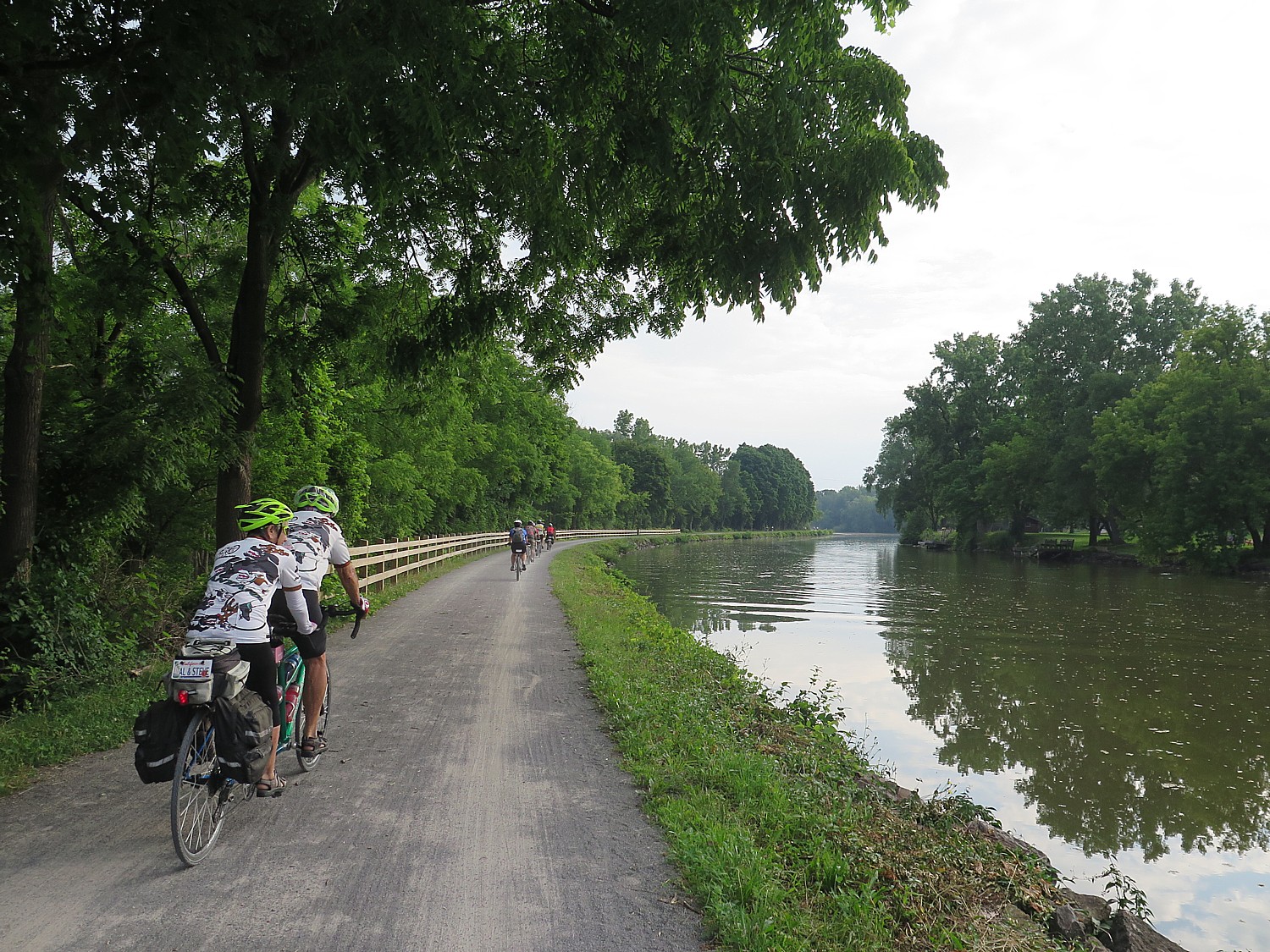
Parks & Trails NY is hosting the 21st annual Cycle the Erie ride, along the 360-mile scenic and historic Erie Canalway © Karen Rubin/goingplacesfarandnear.com

By Karen Rubin, Travel Features Syndicate, goingplacesfarandnear.com

One of the best bike tours on the planet is in our own backyard: the annual Parks & Trails NY Cycle the Erie Canal ride, eight-days, 400-miles and 400 years of history, from Buffalo to Albany, a fully supported biking and camping trip (you can even hire Comfy Campers to set up your tent).

The ride raises money and awareness for advocacy for new trail development and this year’s ride will highlight new trails that take the riders off the roadway – this year, cyclists will ride a new stretch west of Lockport in the town of Pendleton and a gorgeous new trail between Amsterdam and Pattersonville (so you no longer bike on the highway).  Some 550 riders are expected  this year, its 21st annual Cycle the Erie ride, taking place , July 7-14; Parks & Trails NY is still accepting registrations ($925/adult, 6-17 $545, 5-and under $280, ptny.org)

The organization’s key focus now is to build upon the state’s plan for 750-miles of off-road recreational trails – the 360-mile long Erie Canalway, plus Empire State Trail, north-south mixed-use, off-road trail system that will fully connect New York City to Canada.

The plans are already in place for the Empire State Trail to be completed by the end of 2020. In 2019, PTNY launched Trails Across New York Campaign, to build off the momentum of the Empire State Trail’s planned completion in 2020 and support ways to turn the statewide trail system into a true network, connecting local trails with the main spine of the Empire State Trail, including Long Island, “and cementing New York’s position as the nation’s leader in multi-use trails.”

Legislation is currently pending in the NYS Assembly (A. 5035B) (S.4416B has already passed the NYS Senate) would create a statewide multi-use trails plan. This important bill would direct the state to come up with a blueprint for future trails development, helping to turn our local trails across the state into a unified network of trails with major spines and connecting routes, ensuring all parts of the state have access to quality outdoor active recreation on trails.

The Senate version has already passed; the Assembly version is in Ways & Means, which directs the State Parks department to strategize and prioritize filling in the trail gaps. Though it was considered possible for the Assembly to pass its version by the June 19th close of session, if it languishes to the next session, progress will not be lost. Parks & Trails was urging people to contact their state legislator to ask them to cosponsor the legislation and to make sure that the legislation is brought up for a vote before the legislature adjourns for the year.

“Trails Across New York envisions a future in which all New Yorkers will be located only minutes from a trail and ideally will be able to access that trail easily and safely by walking or bicycling. Throughout the state, trails, bicycle boulevards, and Complete Streets will be acknowledged as essential and mainstream elements of community infrastructure, much as utility lines and sidewalks are thought of today.”

PTNY notes that New York State’s trail-rich and trail-friendly reputation will attract visitors from across the nation and abroad to experience the historic communities and varied and beautiful landscapes accessible through the state’s trail network.

Trails offer a wide range of benefits, including stimulating local economies, PTNY notes. The Erie Canalway Trail alone has an estimated annual impact of more than $250 million, and has created close to 3,500 jobs. New York’s outdoor recreation economy annually generates $41.8 billion in consumer spending and supports 313,000 jobs.

See Cycle the Erie series on goingplacesfarandnear.com:

Cycle the Erie: 400 Miles & 400 Years of History Flow By on Canalway Bike Tour Across New York State

Cycle the Erie, Day 1: In Lockport, See Erie Canal Engineering Marvel, ‘Flight of Five’, Cruise Thru Double Locks, and Go Underground to Fathom Rise of Industrial Revolution

Cycle the Erie, Day 2-3: A Sequence of Charming Canaltowns, Pastoral Landscapes, Punctuated by City Birthed by ‘Mother of Cities’

Cycle the Erie, Day 4: Seneca Falls to Syracuse, Crossing Halfway Mark of 400-Mile Biketour

Cycle the Erie, Day 5: Deep Dive into The Erie Canal: ‘Mother of Cities’, Empire Builder, Wonder of the World

Cycle the Erie: At Fort Stanwix, Rome, Time Travel Back to America’s Colonial, Native American Past

Cycle the Erie, Days 6-7: Erie Canal Spurs Rise of America as Global Industrial Power

Cycle the Erie, Days 7-8: Schoharie Crossing, Mabee Farm, Cohoes Falls to Finish Line in Albany of 400-Mile BikeTour

For more travel features, visit:

goingplacesfarandnear.com

goingplacesnearandfar.wordpress.com

moralcompasstravel.info

www.huffingtonpost.com/author/karen-rubin

travelwritersmagazine.com/TravelFeaturesSyndicate/

goingplacesfarandnear.tumblr.com/

instagram.com/going_places_far_and_near/

‘Like’ us on facebook.com/NewsPhotoFeatures

Twitter: @TravelFeatures
National Parks Visitor Spending Contributed $40 Billion to US Economy

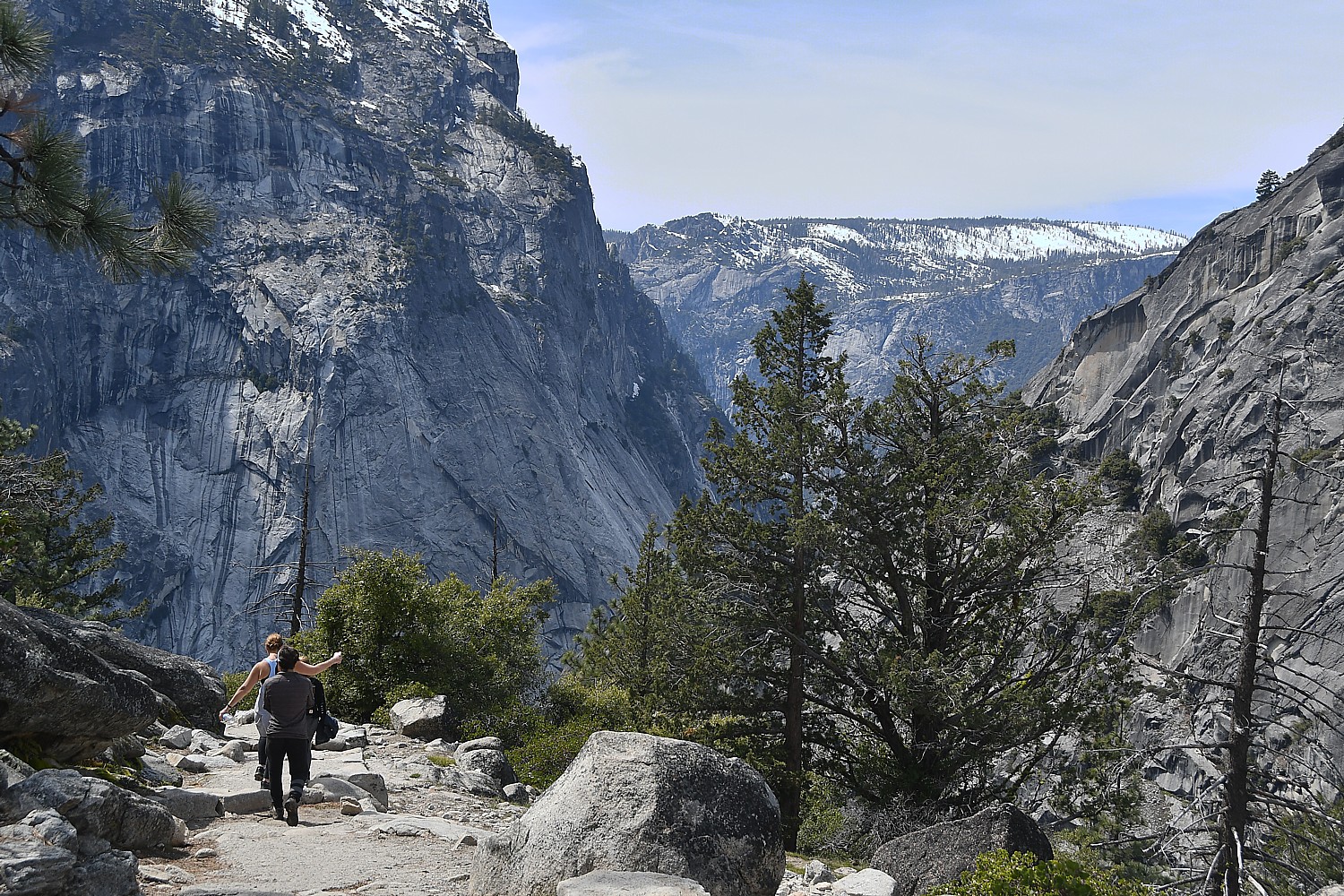
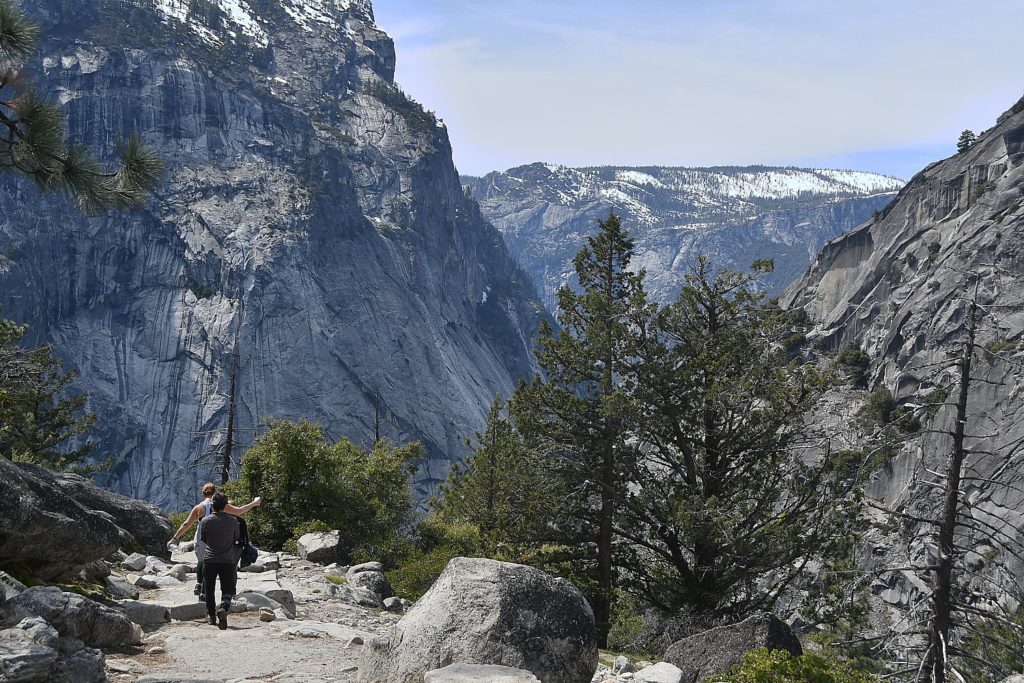
Yosemite National Park, California. Visitors to the national parks generated a record  $40 billion to the US economy in 2018 and supported  329,000 jobs © Karen Rubin/goingplacesfarandnear.com

Report Finds 2018 Spending Supported 329,000 jobs in Hotels, Restaurants, Transportation, Recreation

WASHINGTON –  It is so easy just to enjoy our national parks – our national heritage – and not realize that they are also a serious engine of economic activity, indeed a lifeline, for localities and the nation as a whole. As the summer vacation and travel seasons opens, U.S. Secretary of the Interior David Bernhardt announced today that visitor spending in communities near national parks in 2018 resulted in a $40.1 billion benefit to the nation’s economy and supported 329,000 jobs.

According to the annual National Park Service report, 2018 National Park Visitor Spending Effects, more than 318 million visitors spent $20.2 billion in communities within 60 miles of a park in the National Park System. Of the 329,000 jobs supported by visitor spending, more than 268,000 jobs exist in the park gateway communities.

“This report emphasizes the tremendous impact the national parks have on our nation’s economy and underscores the need to fulfill President Trump’s plan to rebuild park infrastructure,” said Secretary Bernhardt. “With 419 sites, and at least one in every state, our national parks continue to provide visitors, both local and destination, with innumerous recreational, inspirational, and world-class experiences.”

“National parks with their iconic natural, cultural and historic landscapes represent the heart and soul of America,” said National Park Service Deputy Director P. Daniel Smith. “They are also a vital part of our nation’s economy, especially for park gateway communities where millions of visitors each year find a place to sleep and eat, hire outfitters and guides and make use of other local services that help drive a vibrant tourism and outdoor recreation industry.”

Economic benefits from visitor spending increased by $2 billion and total output increased by $4.3 billion in comparison to 2017.

As a part of the report, visitor surveys were conducted at 19 parks with the results indicating that people spent more time in the parks, stayed longer in gateway communities and spent more money during their visits.

Visitation varies across the National Park System, from big parks like Blue Ridge Parkway to Grant Kohrs Ranch National Historic Site in Montana. Blue Ridge attracted 14.6 million people who spent more than $1 billion and supported more than 15,900 jobs. Grant Kohrs Ranch drew more than 26,000 visitors who spent more than $1.5 million in the area and supported 25 local jobs.

Lodging expenses account for the largest share of visitor spending totaling nearly $6.8 billion in 2018. Food expenses are the second largest spending area with visitors spending $4 billion in restaurants and bars and another $1.4 billion at grocery and convenience stores.

The peer-reviewed economics report was prepared by economists Catherine Cullinane Thomas and Egan Cornachione of the U.S. Geological Survey and Lynne Koontz of the National Park Service. It includes information by parks and by states on visitor spending, the number of jobs supported by visitor spending and other statistics.

Report authors also produce an interactive tool that enables users to explore visitor spending, jobs, labor income, value added, and output effects by sector for national, state, and local economies. Users can also view annual, trend data.

For more state-by-state information about national parks and how the National Park Service is working with communities, go to http://www.nps.gov/[statename], for example: http://www.nps.gov/virginia.

National Park Visitor Spending Contributions to the U.S. Economy 2012-18

  Visitation: Visitor Spending: Jobs Supported: Local Jobs: Total Output:
2012: 282,765,682 $14.7 billion 242,712 201,040 $26.8 billion
2013: 273,630,895 $14.6 billion 237,599 197,343 $26.5 billion
2014: 292,800,082 $15.7 billion 276,960 235,600 $29.7 billion
2015: 307,247,252 $16.9 billion 295,339 252,030 $32 billion
2016: 330,971,689 $18.4 billion 318,000 271,544 $34.9 billion
2017: 330,882,751 $18.2 billion 306,000 255,900 $35.8 billion
2018: 318,211,833 $20.2 billion 329,000 268,195 $40.1 billion

For more travel features, visit:

goingplacesfarandnear.com

goingplacesnearandfar.wordpress.com

moralcompasstravel.info

www.huffingtonpost.com/author/karen-rubin

travelwritersmagazine.com/TravelFeaturesSyndicate/

goingplacesfarandnear.tumblr.com/

instagram.com/going_places_far_and_near/

‘Like’ us on facebook.com/NewsPhotoFeatures

Twitter: @TravelFeatures
Rails-to-Trails Conservancy Unveils Routing for ‘Great American’, a 3700-Mile Rail-Trail from Washington DC to Washington State

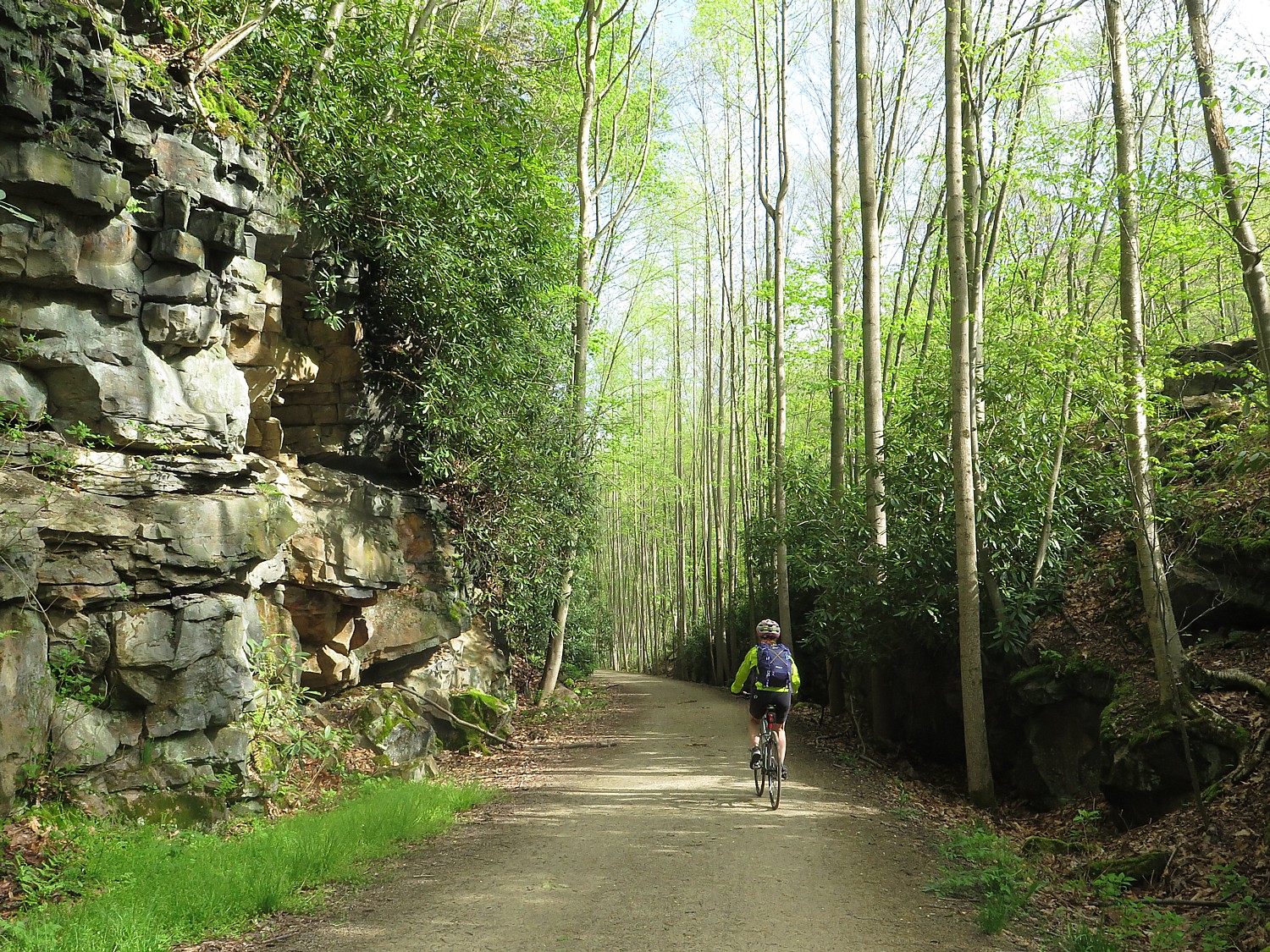
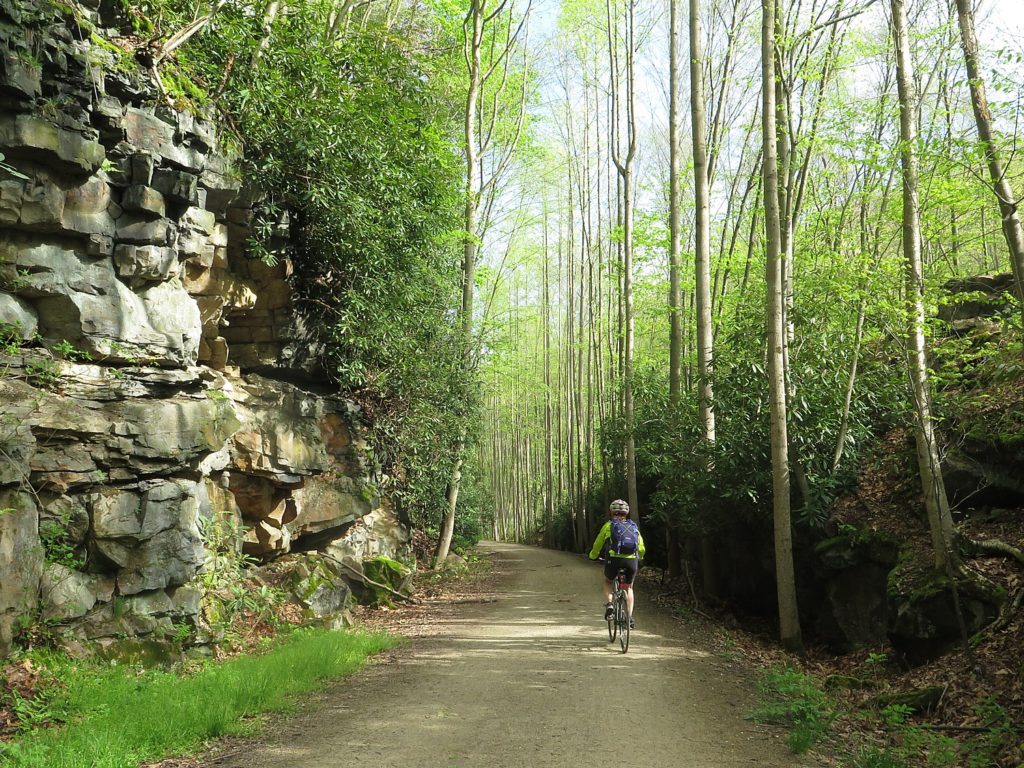
Biking the Great Allegheny Passage rail-trail, Confluence to Adelaide, PA. The GAP would be part of the proposed 3,700-mile Great American Rail-Trail © Karen Rubin/goingplacesfarandnear.com

How fitting that during May, National Biking Month, Rails-to-Trails Conservancy (RTC) has just unveiled its preferred route for its visionary Great American Rail-Trail™—or the “Great American”— a 3,700-mile biking trail that would link Washington DC with Washington State.

The proposal underscores the organization’s long-time commitment to creating an iconic piece of American infrastructure that connects more than 125 existing trails and fills 90 trail gaps to create the cross-continental recreational trail.

“Since the 1980s, RTC has understood the potential of a trail like the Great American Rail-Trail that could connect the nation. That vision has been a guidepost for the organization for 30 years. Now, we have the chance to create from that vision a national treasure that unites millions of people over thousands of miles of trail,” said Ryan Chao, president of RTC. “This trail is a once-in-a-lifetime opportunity to provide—together—an enduring gift to the nation that will bring joy for generations to come.”

The preferred route of the nation’s first cross-country multiuse trail is detailed in a comprehensive report released by RTC today. The Great American Rail-Trail Route Assessment Report outlines RTC’s recommendation for the route, developed in close partnership with states and local trail planners and managers.

“When defining the preferred route of the Great American Rail-Trail, we sought a cross-country route that would provide the highest-quality experience while delivering significant economic and social benefits to the communities it connects,” said Liz Thorstensen, vice president of trail development at RTC. “This route achieves those things and more, in large part thanks to the input, support and leadership of state agencies and local partners who have built the existing trails that will make the Great American Rail-Trail possible, and whose ongoing collaboration is vital to its completion.”

The route assessment was developed over 12 months with input from RTC’s GIS analysis of more than 34,000 miles of multiuse trails; review of state and local trail plans; and discussions with hundreds of local trail partners and state agencies representing the trails along the route. The preferred route aligns with RTC’s and its partners’ criteria that specify the Great American be one contiguous route that is initially more than 80 percent, and ultimately entirely, off street and separated from vehicle traffic; comprises existing trails to the extent possible; is the most direct route possible between Washington, D.C., and Washington State; is amenable to the state and local jurisdictions that will host it; and will serve as a catalyst for local economic development, including providing services for long-distance trail travelers.

Traveling through 12 states and the District of Columbia, RTC and its partners have defined the Great American Rail-Trail as more than 3,700 miles, comprising more than 1,900 miles of existing trails—those trails already developed that will help carry the route across the country—and more than 1,700 miles of “trail gaps,”—sections of trail in need of development to fully connect the Great American into one contiguous route.

As the nation’s first cross-country multiuse trail, the Great American will connect people of all ages and abilities with America’s diverse landscapes and communities. Nearly 50 million people living within 50 miles of its route will be able to call this iconic American infrastructure their own as the trail delivers new access to the outdoors and new opportunities for physical activity and recreation. Hundreds of communities along the route will experience new opportunities for business development and tourism thanks to the Great American Rail-Trail, all while contributing to the growth of the country’s burgeoning outdoor economy—one of the largest sectors in the United States.

“We believe the Great American Rail-Trail will be a transformative project for the nation, as it magnifies on a grand scale the benefits that trails have delivered to communities for decades,” said Chao. “Whether bridging gaps within and between communities, creating safe walking and biking access to jobs, transit, shopping and green space; or serving as recreation for cyclists, runners and casual daily explorers, this will be America’s trail.”

While completion of the Great American Rail-Trail is a significant undertaking and several decades away, 52% of the path is already complete and available for public use, with plans for RTC to work in partnership with states and local jurisdictions and organizations to bring new segments online year after year.

RTC and its partners view the route assessment as a blueprint for the trail’s development that is based in the reality of existing plans and priorities. To spur trail completion, RTC has identified initial catalyst initiatives—projects or challenges that would most benefit from RTC’s national breadth of resources. Through these initiatives, RTC will directly support local and state partners, investing time, expertise and organizational resources in specific projects that are critical to catalyzing the completion of the Great American Rail-Trail. RTC is also enlisting the support of trail lovers across the country to demonstrate national enthusiasm for the Great American’s development.

Setting a goal to reach 1 million pledges in support of the cross-country trail, RTC is asking the public to pledge at greatamericanrailtrail.org.

“We know that it will take a significant investment of time, resources and energy to complete the Great American Rail-Trail—but it will be worth it. It will take the help of trail lovers and leaders to bring this vision to life,” said Kevin Mills, RTC’s vice president of policy. “Federal, state, local and private investment will all be needed to complete this project. To support the ongoing advocacy necessary to secure critical public resources, we hope everyone will be inspired to proudly pledge to show the widespread desire that exists for this trail.”

The Great American Rail-Trail is a signature project of RTC and the most ambitious in its portfolio of TrailNation™ projects—the organization’s initiative to encourage the rapid replication of regional trail networks across the country. The Great American was first envisioned at RTC in the late 1980s, and for decades has been an underpinning of the organization’s strategy to create a nationwide network of public trails.

Separately, New York State, which already offers a 353-mile long Erie Canalway from Buffalo to Albany, is in the process of filling the gaps for a bikeway that will extend the entire north-south expanse, from New York City to the  Canadian border.

To learn more about the Great American Rail-Trail and RTC and to view the preferred route, visit greatamericanrailtrail.org and follow @greatamericanrailtrail on Facebook and Instagram.

It will take public and private support to complete the Great American Rail-Trail. To learn more about how you can support the project and RTC’s national leadership to plan, organize and advocate for the trail, contact Alisa Borland, vice president of development at RTC, at alisa@railstotrails.org or 202.974.5126.

Rails-to-Trails Conservancy is the nation’s largest trails organization—with a grassroots community more than 1 million strong— dedicated to connecting people and communities by creating a nationwide network of public trails, many from former rail lines. Connect with RTC at railstotrails.org and @railstotrails on Facebook, Twitter and Instagram.

See also:

Biking the Delaware & Lehigh Trail, Showcased on Rails-to-Trails Conservancy’s Last Sojourn BikeTour

Rails-to-Trails Sojourn on Delaware-Lehigh Trail Showcases Repurposed Canal Towpath & History of Industrial Revolution

Rails-to-Trails Sojourn on the Delaware-Lehigh Trail: America’s Revolution Comes to Life at Washington Crossing

Rails-to-Trails Conservancy To Focus on TrailNation Advocacy for New Biking/Walking Trails

For more travel features, visit:

goingplacesfarandnear.com

goingplacesnearandfar.wordpress.com

moralcompasstravel.info

www.huffingtonpost.com/author/karen-rubin

travelwritersmagazine.com/TravelFeaturesSyndicate/

goingplacesfarandnear.tumblr.com/

instagram.com/going_places_far_and_near/

‘Like’ us on facebook.com/NewsPhotoFeatures

Twitter: @TravelFeatures