TORONTO, ON – Explore Worldwide, B Corp-certified small group adventure travel operator, announces its first round of new tours for 2027, ready to be booked now. The new departures touch on the parts of destinations most itineraries skip: the lesser-visited north of Sri Lanka rather than the southern beaches, the quiet back side of Mount Fuji rather than the standard Tokyo-Kyoto trip, the rainforests and volcanic highlands of Sumatra rather than Bali, and the white hill villages of Andalucia rather than the coast.
With more than 400 tours across over 100 countries, Explore Worldwide’s 2027 itineraries reflect the company’s mission to create travel experiences that are rooted in hands-on cultural immersion, led by expert local guides, and enjoyed in small groups.
“In the 45 years of developing guided experiences, we’ve learned that it’s not only about the destination itself, but the version of them that most don’t see,” says Katy Rockett, regional director of North America for Explore Worldwide. “Our seasoned product team, alongside our valued partners on the ground, have spent years finding the best routes to take and know the quieter pockets that are worth a look. They’ve spent time building relationships with locally-owned businesses, and know which trails are worth that extra trek. It’s that deep destination knowledge that sets these travel experiences apart.”
A sample of Explore’s first wave of new tours for 2027 include:
- The eight-day Highlights of Sumatra tour trades Indonesia’s better-known islands for Northern Sumatra’s rainforests, volcanic highlands and the world’s largest volcanic lake. In Bukit Lawang, travelers trek through Gunung Leuser National Park in search of wild, critically endangered Sumatran orangutans, joined by a guided night walk in search of the park’s nocturnal wildlife. The trip continues with a sunrise climb to the steaming crater of Mount Sibayak before reaching Lake Toba, where a boat tour of Samosir Island introduces the traditions and architecture of the Batak people. Rates start from US $1,380 per person, with departures available from May through September 2027.
- The eight-day Essential Japan – Tokyo, Mount Fuji and Kyoto tour pairs Tokyo’s essential sights with the quieter, less-visited side of Mount Fuji. In the capital, travelers take part in a hands-on wagashi sweet-making experience, a traditional tea ceremony, and a lantern-painting workshop before boarding the bullet train to Shizuoka, Japan’s green tea heartland. There, they visit a gyokuro tea farm and take in views of Mount Fuji from Nihondaira Yume Terrace. In Kyoto, the trip includes a Zen meditation session led by a Buddhist monk and a guided hike along the Kurama-Kibune trail through the Kitayama Mountains. Rates start from US $3,730 per person, with departures available from February through November 2027.
- The 11-dayTaste of Northern Sri Lanka – Jaffna to Colombo tour is a culinary-focused itinerary through the island’s lesser-visited northern region and cultural heartland. The journey begins in Jaffna, with its ornate Hindu temples and a boat excursion to the remote island of Delft, before continuing to the laid-back coastal town of Trincomalee with a visit to a sunrise fishing market. Throughout, guests will sample regional specialties from Jaffna seafood broth and crab curry to Dutch Burgher-influenced lamprais. Rates start from US $2,460 per person, with departures available from March through October 2027.
Among the new tour departures, Explore Worldwide continues to grow its Upgraded Tours portfolio for 2027, adding four new premium itineraries like the 10-day Upgraded – Highlights of Nepal and Upgraded – Morocco: Imperial Cities, Mountains and the Sahara Desert.
Launched in 2024, the Upgraded collection pairs Explore’s signature hands-on cultural access and expert local leaders with a premium selection of hotels and boutique stays. Explore has seen a 35% increase in bookings for 2026 Upgraded departures. Rockett continues, “As the premium adventure market continues to grow, our Upgraded tours enable us to meet the evolving expectations of travelers while staying true to the authentic, immersive experiences that define Explore.”
- The 12-day Upgraded – Highlights of Mexico tour introduces travelers to Mexico’s colorful history, from its captivating capital to the sun-soaked Caribbean coast. The journey covers the cities of Oaxaca and Valladolid, with a food tour of Puebla and a hands-on Oaxacan cooking class, alongside Mayan sites including Coba, Chichen Itza, Monte Alban and Teotihuacan. The itinerary closes with two nights on Cozumel Island. Travelers stay in hand-picked Premium accommodations, including a historic hacienda near Chichen Itza and a beachfront resort on Cozumel. Rates start from US $6,130 per person, with departures available from March through November 2027.
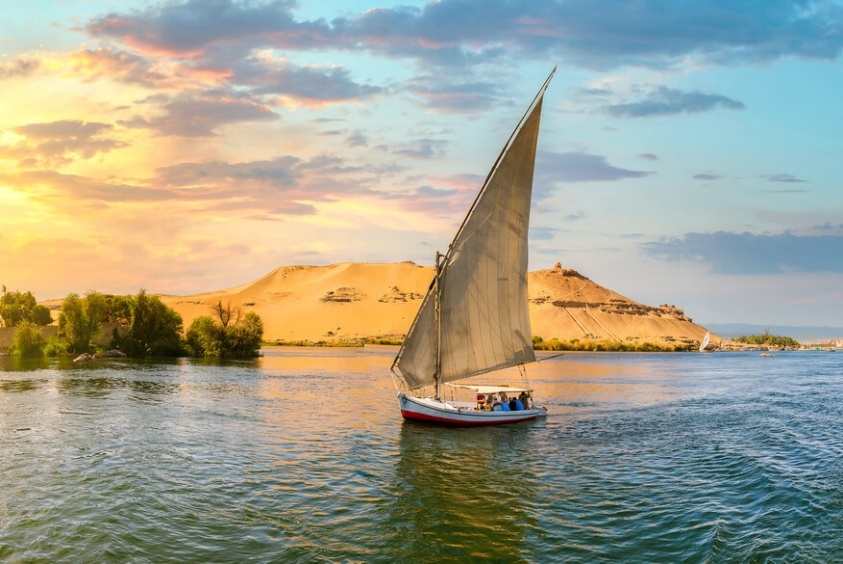
- The 11-day Upgraded – Egypt: Cairo, Alexandria & Nile Cruise tour travels from Cairo to Luxor, including a visit to the new Grand Egyptian Museum, home to more than 100,000 artifacts, which opened in November 2025. The journey includes stops in the historic coastal city of Alexandria, a Nile cruise between Aswan and Luxor, along with a calligraphy workshop and a cooking class. Rates start from US $5,120 per person, with departures available from April through November 2027.
Additional new tours will be announced on a rolling basis.
Explore Worldwide has over 45 years’ experience in providing exciting and authentic small-group travel experiences from cultural discovery trips to hiking and cycling adventures. With over 400 trips in 100 countries, Explore’s expertly crafted itineraries combined with award-winning tour leaders, small group sizes and a commitment to responsible travel ensure unforgettable travel experiences. Explore has immersive, sustainable travel in its DNA, achieving B Corp Certification, and as a founding signatory of the Glasgow Declaration with one of the leading Climate Action Plans in the industry. In 2022, Explore Worldwide completed the largest carbon-measurement project in the industry, to date, and is now working toward reducing the carbon emissions of its tours by 50% by 2030.
For more information on Explore Worldwide’s breadth of tours and new itineraries, visit www.exploreworldwide.com.
For more travel features visit:
Going Places @ longislandpress.com
www.longislandpress.com/category/vacation-travel/
goingplacesnearandfar.wordpress.com
travelwritersmagazine.com/TravelFeaturesSyndicate/
goingplacesfarandnear.tumblr.com/
instagram.com/going_places_far_and_near/
instagram.com/bigbackpacktraveler/
‘Like’ us on facebook.com/NewsPhotoFeatures
X: @TravelFeatures
Threads: @news_and_photo_features