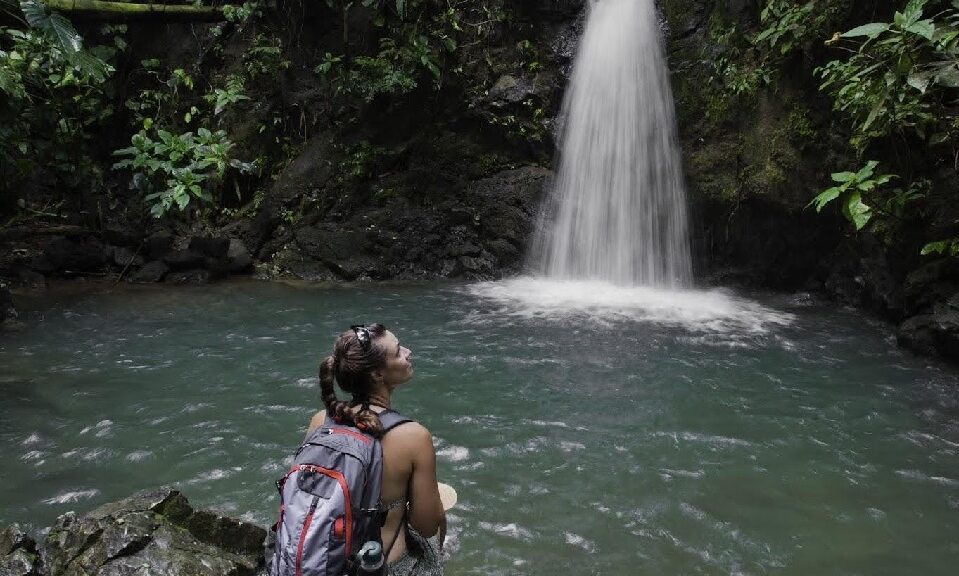

(Homer, AK) — Gondwana Ecotours has introduced a new eight-day tour that visits the hidden gems of Costa Rica. Highlights include boat safaris though coastal areas teaming with wildlife, visiting Osa Peninsula (one of the Costa Rica’s most remote locations), exploring Corcovado National Park and Arenal National Park, interacting with local communities, and overnighting at the venerable Corcovado Wilderness Lodge.
Guests will discover the true heart of Pura Vida through personal encounters with local Ticos, who share their passion and firsthand stories of conservation and sustainability. Prices start at $7,495 per person and include all accommodations, meals, transportation, guides, and park fees.

“This itinerary combines extraordinary wildlife encounters, eco-luxury accommodations, and off-the-beaten-path destinations for a truly immersive journey,” said Eric Segalstad, Gondwana Ecotours Vice President. “It is the perfect trip for nature enthusiasts and sustainably minded travelers.”
Corcovado National Park takes up almost half of the Osa Peninsula and is home to an astoundingly diverse range of wildlife, including the highly endangered giant anteater, tapir, harpy eagle, and all of Costa Rica’s big cats. Bordering Corcovado National Park, hidden among lush tropical gardens, sits SCP Corcovado Wilderness Lodge, one of the most sustainable eco-lodges in the Osa Peninsula. Accessible only by boat, this lodge offers the optimal ecotourism experience deep in the rainforest.
Arenal Volcano National Park is a protected area in northern Costa Rica known for its hot springs, active Arenal Volcano, and wildlife, including jaguars, tree frogs, monkeys, and more than 500 bird species.
Hidden away on Costa Rica’s northern Caribbean coast and only accessible by boat or plane, Tortuguero National Park is one of the most distinct, isolated, and biodiverse places in the country. Nature lovers venture to this remote wilderness area to spot sea turtles, manatees, speckled caimans, and birds in the wild while navigating the canals.
What Makes This Tour Different:
- Exclusive Accommodations in Arenal National Park: Stay at the only lodge within the park, offering unmatched access to breathtaking landscapes, phenomenal wildlife viewing, and serene surroundings.
- Unique Wildlife Encounters: Visit Corcovado National Park, hailed by National Geographic as, “the most biologically intense place on Earth,” and spot species like sloths, scarlet macaws, and tapirs.
- Remote, Handpicked Locations: Explore the secluded Osa Peninsula and discover the hidden wonders of Costa Rica’s biodiversity.
- Eco-Luxury Stays: Each lodge and hotel are carefully chosen to balance comfort with conservation, enhancing your connection to the natural world.
- Community Impact: Enjoy meaningful interactions with local communities while supporting conservation and sustainable tourism efforts.

Tour Highlights:
- Guided nature and wildlife walks through Corcovado and Arenal National Parks, including a night walk to spot nighttime creatures such as colorful tree frogs.
- Stay at the iconic lodge within Arenal National Park, with panoramic views of the volcano.
- Visit Tortuguero National Park, including boat safaris through its wildlife-rich canals and opportunities to spot nesting sea turtles.
- Relax and unwind at the lodges, surrounded by beautiful birds and monkeys.
- Visit (and optional snorkeling) the stunning and biodiverse Caño Island, known for incredible marine life.

For more info, visit https://www.gondwanaecotours.com/adventure-tours/wildlife-adventure-travel-costa-rica/. The full brochure can be viewed here.
Gondwana Ecotours specializes in small-group, guided tours to bucket-list destinations around the world. Sustainability is front of mind, and the company works towards reducing its environmental footprint globally and locally. Itineraries are curated to include activities grounded in meaningful encounters with nature, wildlife, and local culture and physically suitable for most travelers. Touch down with a bush plane in a remote National Park to safely observe grizzlies in the wild. Encounter some of the last remaining mountain gorillas while your visit contributes to their preservation. Watch the Northern Lights dance in the sky with an Aurora Guide who can help explain the phenomenon and capture the moment. Witness the Great Migration on a Safari in Tanzania guided by local safari guides. Carefully walk on an incredible growing glacier in Patagonia. Explore the magnificent fjords of Western Norway. https://www.gondwanaecotours.com
For more travel features visit:
Going Places @ longislandpress.com
www.longislandpress.com/category/vacation-travel/
goingplacesnearandfar.wordpress.com
travelwritersmagazine.com/TravelFeaturesSyndicate/
goingplacesfarandnear.tumblr.com/
instagram.com/going_places_far_and_near/
instagram.com/bigbackpacktraveler/
‘Like’ us on facebook.com/NewsPhotoFeatures
X: @TravelFeatures
Threads: @news_and_photo_features